Do Blue Light Glasses Actually Work? Plus a Pick if You Want to Try Them
Compare picks & prices ↓The research on blue light glasses and eye strain is weaker than the marketing suggests. Here's what the evidence actually says, and a well-reviewed pair if you want to try them anyway.
Choose by use case
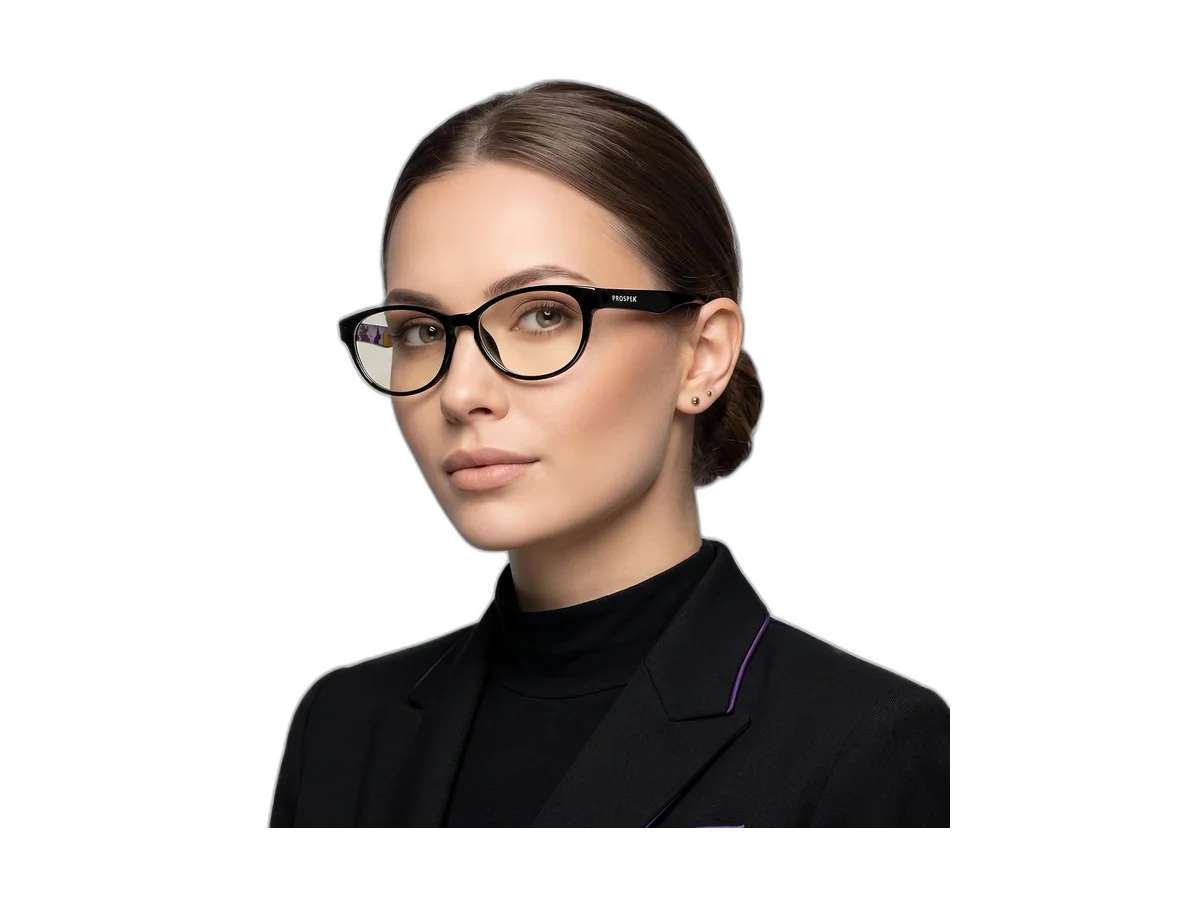
- PROSPEK CATEYES Blue Light Blocking GlassesBest for: People who want to try blue light glasses for evening screen use without a big up-front spend.A reasonable pair to try if you want evening blue-light filtering without spending much. Not a fix for eye strain.Prices change often; use the retailer link for the current price.
Blue light glasses are one of the more overclaimed product categories in wellness. The honest version of this article is short: the eye-strain claim is weak, the sleep claim is real but modest, and most of what actually helps digital eye strain is free.
What the evidence actually says
Eye strain: Multiple reviews of the research have found that blue-light-filtering lenses don’t clearly outperform clear lenses for digital eye strain symptoms. Eye strain from screens is more reliably tied to reduced blink rate (you blink less looking at a screen), poor screen distance/height, and glare — not the blue wavelength itself.
Sleep: This claim holds up better. Blue-enriched light in the evening suppresses melatonin more than warm light does, and that’s well established. Lab studies show blue-light-blocking lenses worn in the hour or two before bed can reduce that suppression. Whether that translates into meaningfully better sleep for the average person, rather than just less melatonin suppression on a lab measurement, is less thoroughly studied — but the mechanism itself is legitimate, unlike the eye-strain claim.
What actually helps eye strain (free)
- The 20-20-20 rule: every 20 minutes, look at something 20 feet away for 20 seconds.
- Blink more. Screen focus reduces blink rate, which dries out your eyes. Deliberately blinking helps more than most people expect.
- Screen distance and height. An arm’s length away, top of the screen at eye level, reduces strain more reliably than any lens coating.
- Room lighting. A screen that’s much brighter than the room around it forces your eyes to work harder adjusting between the two.
If you want to try them anyway
PROSPEK CATEYES is a non-prescription pair at a mid-range price, and it is the one we would try if you want to test the idea without a big spend. Comfort and whether you like the tint still depend on your face. It is a starting point, not a promise that the glasses will fix eye strain.
Best for: evening screen use where reducing blue light before bed is the actual goal — not as an eye-strain fix.
What I’d skip
- Any pair marketed primarily on eye-strain relief with no mention of the sleep/melatonin mechanism — that’s the weaker, less-supported claim being led with.
- Extremely cheap glasses with no stated blue-light-blocking percentage or wavelength range.
Final answer
Don’t buy blue light glasses expecting them to fix eye strain — the evidence doesn’t support that claim well. If you’re specifically trying to reduce evening blue light exposure before bed, a pair like PROSPEK CATEYES is a reasonable, well-reviewed option to try. For eye strain itself, the 20-20-20 rule and basic screen ergonomics will do more than any lens.
-
PROSPEK CATEYES Blue Light Blocking Glasses
People who want to try blue light glasses for evening screen use without a big up-front spend.
Frequently asked questions
Do blue light glasses actually reduce eye strain?
Do blue light glasses help with sleep?
So are they worth buying?
What should you still check before you buy?
Affiliate disclosure
Some links on this page may be affiliate links — we may earn a commission if you buy through them, at no extra cost to you. We only recommend products we think are worth considering. Verdicts are not influenced by commissions.
Health disclaimer
This content is for informational purposes only and is not medical advice. Talk to a qualified professional before starting new supplements, treatments, or major health changes.