Best low-toxin kitchen swaps under $50
Compare picks & prices ↓Four swaps under $50 each that handle the most-touched parts of a normal kitchen — without redoing your whole pantry.
We may earn a commission from our links or codes.
Choose by use case
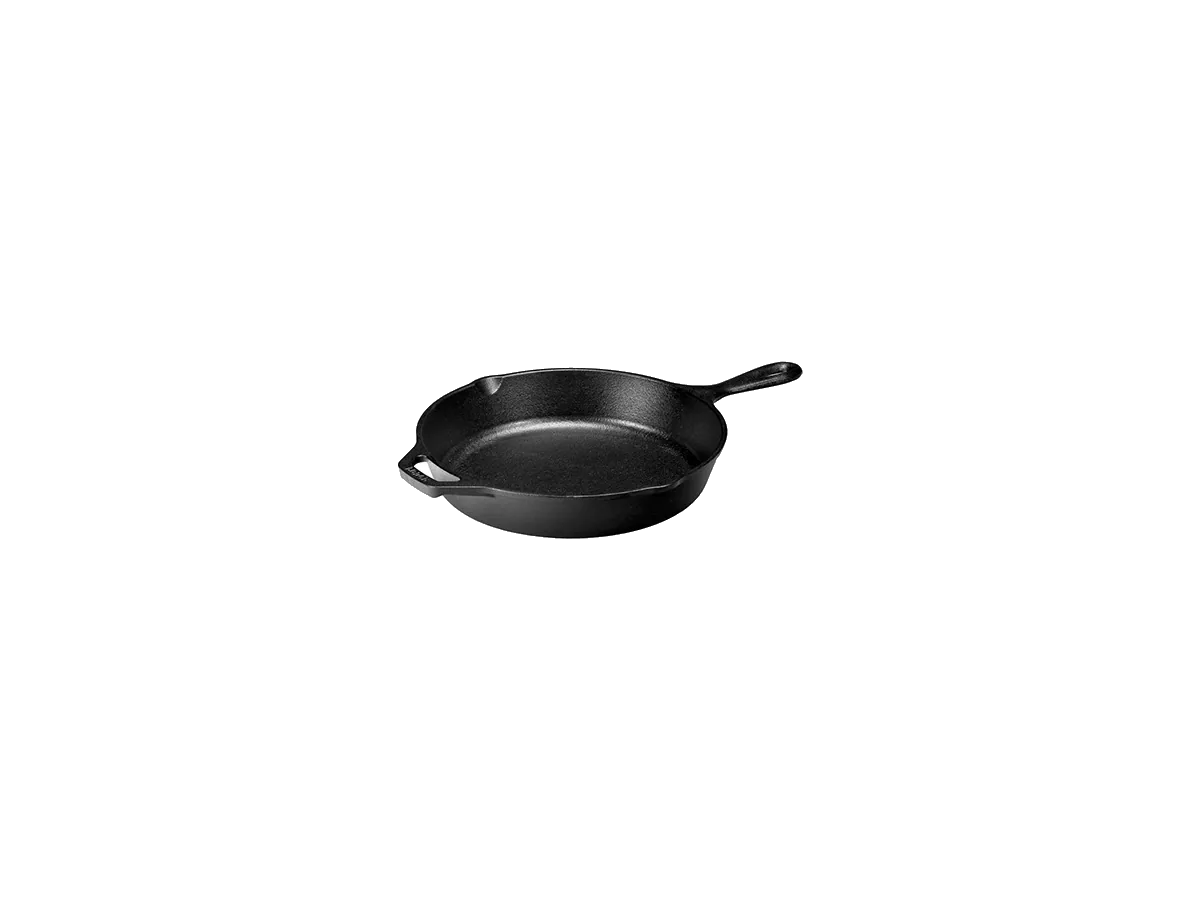
- Lodge 10.25" Pre-Seasoned Cast Iron SkilletDefinitely Well Worth ItFirst swap — the $25 pan that lasts a lifetime.Our full review~$25Prices change often; use the retailer link for the current price.
-
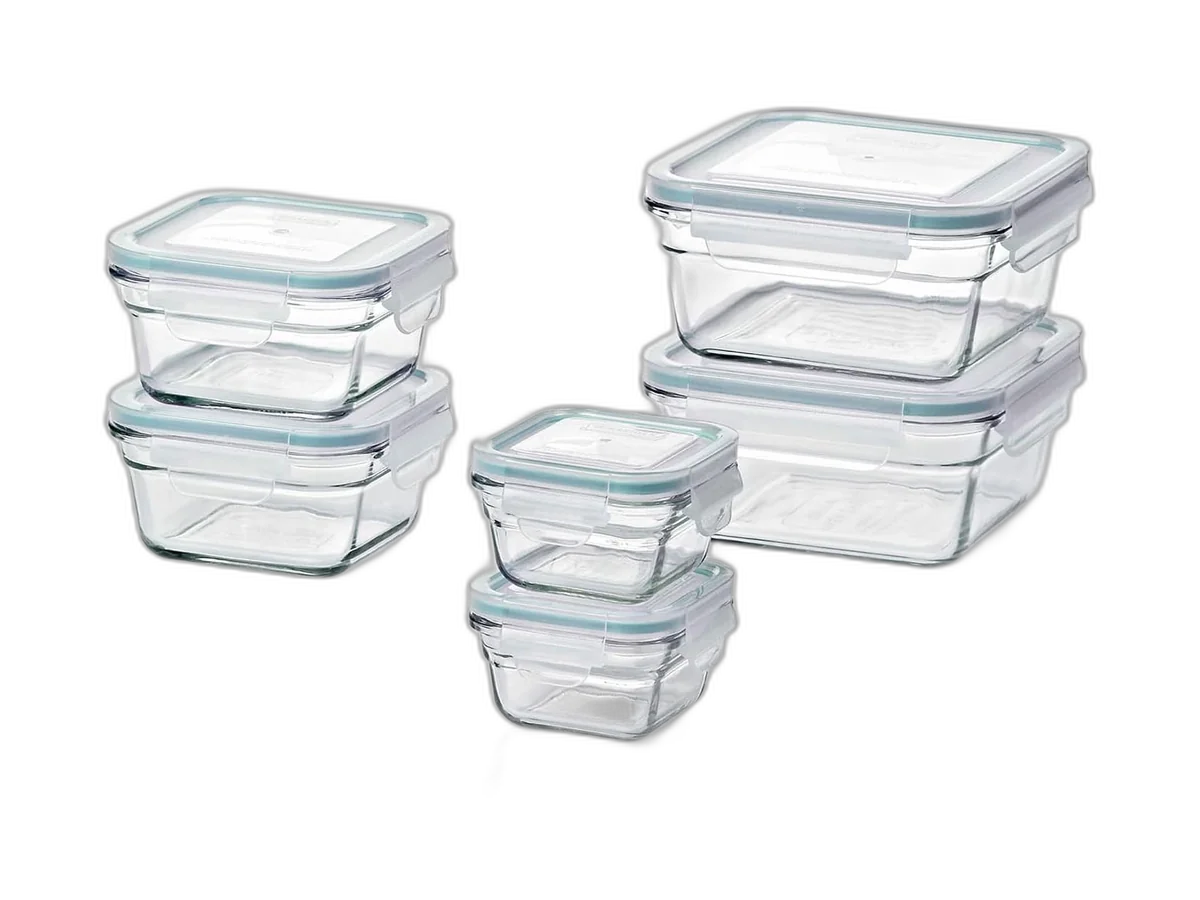 Glasslock 12-Piece Glass Storage SetStrong BuyBest plastic-storage replacement, dishwasher-safe.Our full review$32.99 listing snapshot; verify current pricePrice snapshot: September 6, 2026Prices change often; use the retailer link for the current price.
 -
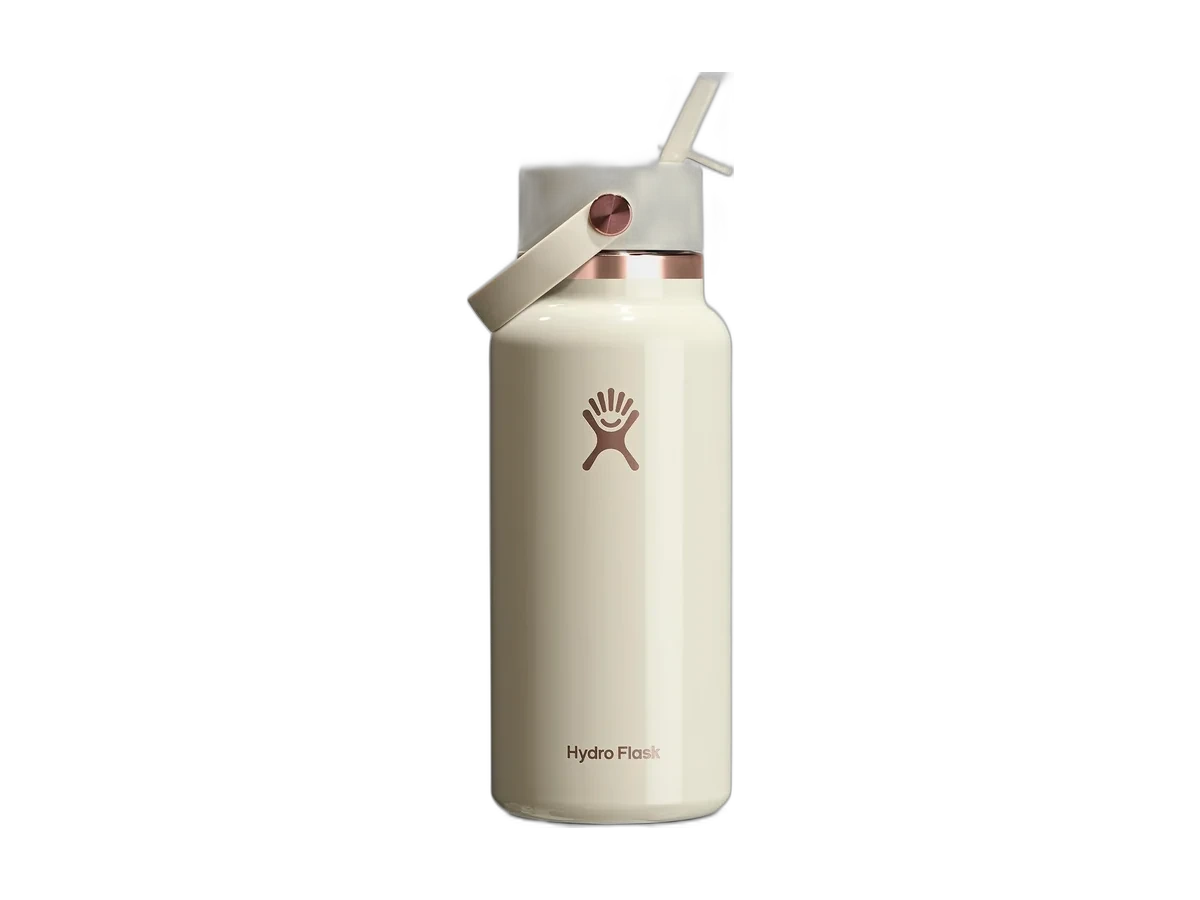 Hydro Flask 32oz Wide MouthDefinitely Well Worth ItReplace the daily plastic water bottle once and forget it.Our full review~$45Prices change often; use the retailer link for the current price.
How we'd choose
| Pick | Our call | Buy it for | The catch |
|---|---|---|---|
| Lodge 10.25" Pre-Seasoned Cast Iron Skillet | Definitely Well Worth It | — | — |
| Glasslock 12-Piece Glass Storage Set | Strong Buy | — | — |
| Hydro Flask 32oz Wide Mouth | Definitely Well Worth It | — | — |
-
Lodge 10.25" Pre-Seasoned Cast Iron Skillet
- Our call
- Definitely Well Worth It
- Buy it for
- —
- The catch
- —
-
Glasslock 12-Piece Glass Storage Set
- Our call
- Strong Buy
- Buy it for
- —
- The catch
- —
-
Hydro Flask 32oz Wide Mouth
- Our call
- Definitely Well Worth It
- Buy it for
- —
- The catch
- —
As an Amazon Associate, we may earn from qualifying purchases.
The “lower-tox kitchen” category has a lot of marketing noise. Here’s the practical version: a few swaps that handle the highest-exposure items in your kitchen, all under $50, in priority order.
My picks
1. Lodge 10.25” cast iron skillet — ~$25
The first swap. A $25 pan that lasts a lifetime, sears better than anything else you own, and works on a campfire. There’s no version of “I’m trying to upgrade my kitchen” where this isn’t the answer.
The seasoning intimidates people. It shouldn’t. Cook bacon in it three times. The maintenance is “wipe it out, don’t soak it” — easier than what most people do with their stainless.
I cover this in more depth in the non-toxic cookware swaps guide.
2. Glasslock 12-piece glass storage — ~$33 snapshot
Plastic food storage is the swap most people skip and shouldn’t. Heavily-scored or microwaved plastic containers shed measurable microplastic particles, especially with hot or fatty food. Glass containers are the same price (or cheaper) once you stop replacing warped plastic ones every two years.
Glasslock’s set is advertised as dishwasher-safe, freezer-safe, microwave-safe, and oven-safe to 450°F for the glass containers. The lids still use plastic and silicone, so this is a targeted replacement for worn plastic storage—not a plastic-free system. Read the full Glasslock review for the exact sizes and tradeoffs.
3. Hydro Flask 32oz wide mouth — ~$45
Replace the daily plastic water bottle. A reusable insulated bottle is a practical swap when your existing bottle is worn out or unpleasant to use. Read the full Hydro Flask 32 oz review for the current listing, straw-lid tradeoffs, and owner-feedback caveats.
Buy the wide-mouth so you can fit ice cubes and clean it easily.
What’s not on this list (yet)
A few swaps worth adding once we have a listing we trust:
- Ekobo bamboo cutting board (~$28) — The right plastic-cutting-board replacement, but the listings on Amazon shift around. Any solid bamboo or wood board from a major brand is fine.
- Wooden cooking spoons (~$18 for a 4-pack) — Replace plastic spatulas before they melt onto your nonstick pan.
- Reusable produce bags (~$15) — Skip the plastic produce bags at the grocery store.
What to skip
- “Detox” anything. Detox is a marketing term in this category, not a clinical concept. Your liver and kidneys handle that work fine.
- Bottled “alkaline” or “structured” water. No credible peer-reviewed evidence supports the health claims.
- Beeswax wraps that need rewaxing every 3 months. Look great in photos. Fall apart in real life. Use a mason jar with a lid.
- Marketing-driven “non-toxic” silicone bakeware at premium prices. Standard food-grade silicone (any reputable brand) is fine.
Total damage
Cast iron + Glasslock + Hydro Flask = ~$120. That’s the kit. If your existing cookware, storage, and water bottle are all worn out anyway, this is the cheapest version of “upgrade everything.” If they’re not, replace as they wear.
Final answer
Start with the Lodge cast iron. Add the Glasslock storage set. Replace the daily water bottle with a Hydro Flask when your current one dies. Don’t overspend on the rest.
-
Lodge 10.25" Pre-Seasoned Cast Iron Skillet
Definitely Well Worth It
-
Glasslock 12-Piece Glass Storage Set
Strong Buy
-
Hydro Flask 32oz Wide Mouth
Definitely Well Worth It
As an Amazon Associate, we may earn from qualifying purchases.
Frequently asked questions
If I can only buy one, which?
Are 'lower-tox' kitchen swaps actually worth doing?
Are bamboo cutting boards better than plastic?
Affiliate disclosure
Some links on this page may be affiliate links — we may earn a commission if you buy through them, at no extra cost to you. We only recommend products we think are worth considering. Verdicts are not influenced by commissions.