What to Look For in a Prenatal Vitamin (Plus One Well-Reviewed Option)
Compare picks & prices ↓Prenatal vitamins aren't interchangeable with a regular multivitamin. Here's what actually matters on the label — folate form, DHA, and iron — plus a well-reviewed option to start your research.
Choose by use case
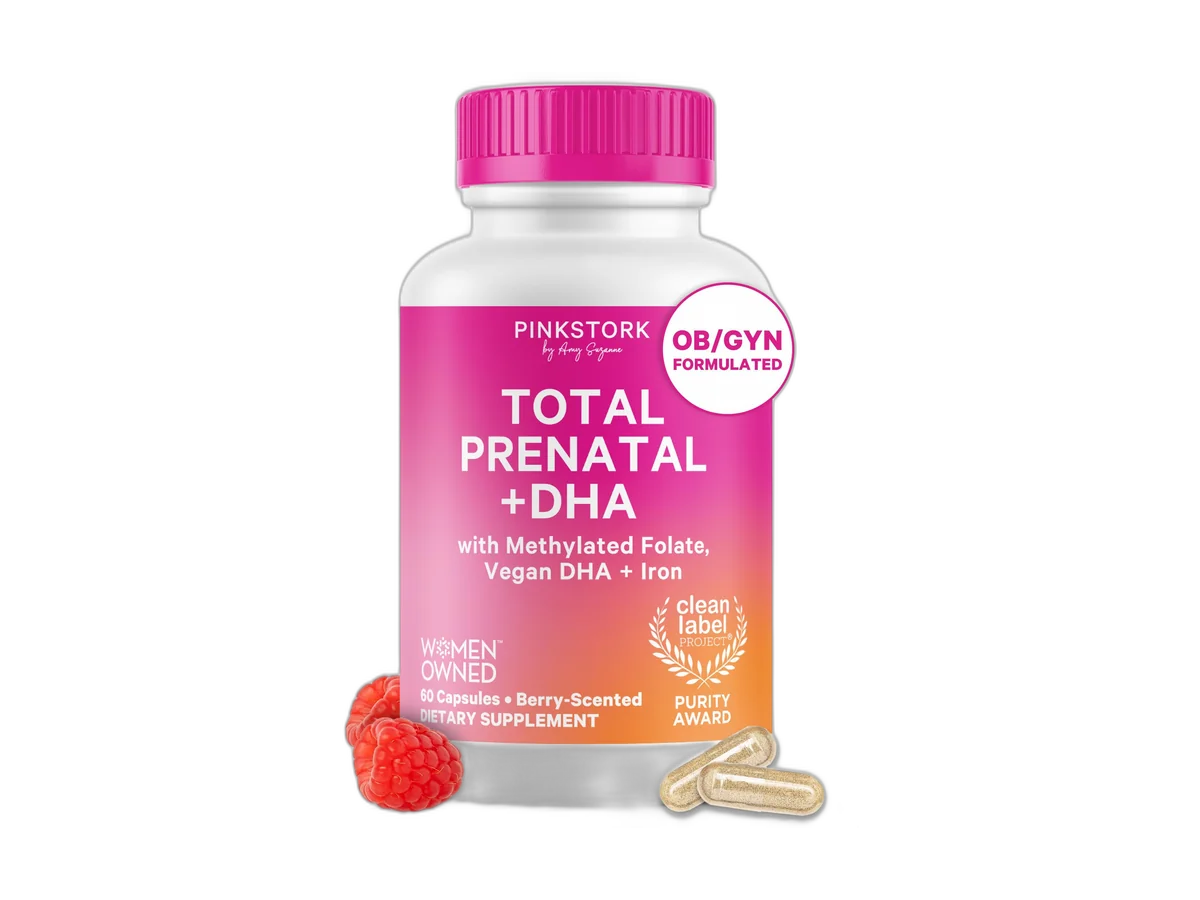
- Pink Stork Total Prenatal + DHABest for: People who specifically want methylated folate and vegan DHA in one capsule, from a women-owned brand.A reasonable place to start the label check if you want methylated folate, vegan DHA, and iron in one prenatal. Confirm it with your provider.Prices change often; use the retailer link for the current price.
Prenatal vitamins get marketed like a category of their own, and the label differences from a regular multivitamin are real enough to justify that. The three things actually worth checking — folate form, DHA source, and iron — are also the three most commonly asked-about on prenatal vitamin labels.
What actually matters on the label
Folate form and amount. Look for either folic acid or L-methylfolate (methylated folate) at a dose your provider has confirmed for you — commonly 400–800mcg, sometimes higher with specific guidance. Methylated folate skips a conversion step some people handle less efficiently; folic acid works fine for most people. Neither is universally “better” — it depends on your own metabolism, which is a bloodwork conversation with your provider, not something to self-diagnose.
DHA source and amount. DHA (an omega-3) supports fetal brain and eye development. It comes from fish oil or algae — algae-based DHA is vegan and avoids fish-oil aftertaste and mercury-exposure concerns, and it’s a legitimate primary source rather than a substitute, since fish accumulate their DHA from algae in the first place.
Iron. Pregnancy substantially increases iron needs, and many standard multivitamins under-dose it relative to prenatal-specific formulas. Iron can also be constipating — some prenatals pair it with other ingredients aimed at easing that.
Whether it’s third-party tested or purity-certified. Supplement regulation is looser than most people assume; a certification like the Clean Label Project’s Purity Award or independent lab testing is a meaningful signal, not a marketing throwaway.
One well-reviewed option: Pink Stork Total Prenatal + DHA
Per the label, this is OB/GYN-formulated with methylated folate, vegan (algae) DHA, and iron, and it carries a Clean Label Project Purity Award. It is a widely bought prenatal from a women-owned brand. Treat it as a starting point for your own label check and a conversation with your provider, not a personal endorsement. Pregnancy needs are individual.
What I’d bring to a doctor’s appointment
- Your current folate/folic acid form and dose
- Whether your DHA source is fish oil or algae, and the actual mg amount
- Your iron dose, and whether you’ve had any GI side effects from it
- Any third-party testing or purity certification on the label
Final answer
Don’t treat “prenatal” as a marketing label you can skip past — the folate, DHA, and iron differences from a regular multivitamin are real and worth checking specifically. Pink Stork Total Prenatal + DHA is a well-reviewed, purity-certified option to bring into that research, but this is a decision to finalize with your OB/GYN or midwife, not from a shopping guide alone.
-
Pink Stork Total Prenatal + DHA
People who specifically want methylated folate and vegan DHA in one capsule, from a women-owned brand.
Frequently asked questions
Why can't I just take a regular multivitamin?
What's the difference between folic acid and methylated folate?
Is vegan DHA as good as fish-oil DHA?
Should I ask my doctor before choosing a prenatal?
What should you still check before you buy?
Affiliate disclosure
Some links on this page may be affiliate links — we may earn a commission if you buy through them, at no extra cost to you. We only recommend products we think are worth considering. Verdicts are not influenced by commissions.
Health disclaimer
This content is for informational purposes only and is not medical advice. Talk to a qualified professional before starting new supplements, treatments, or major health changes.