Protein Powder in Iced Coffee: Picks and Mixing Tips
Compare picks & prices ↓A label-first guide to mixing whey into iced coffee, reducing clumps, and comparing conventional whey with powdered protein coffee.
We may earn a commission from our links or codes.
Choose by use case
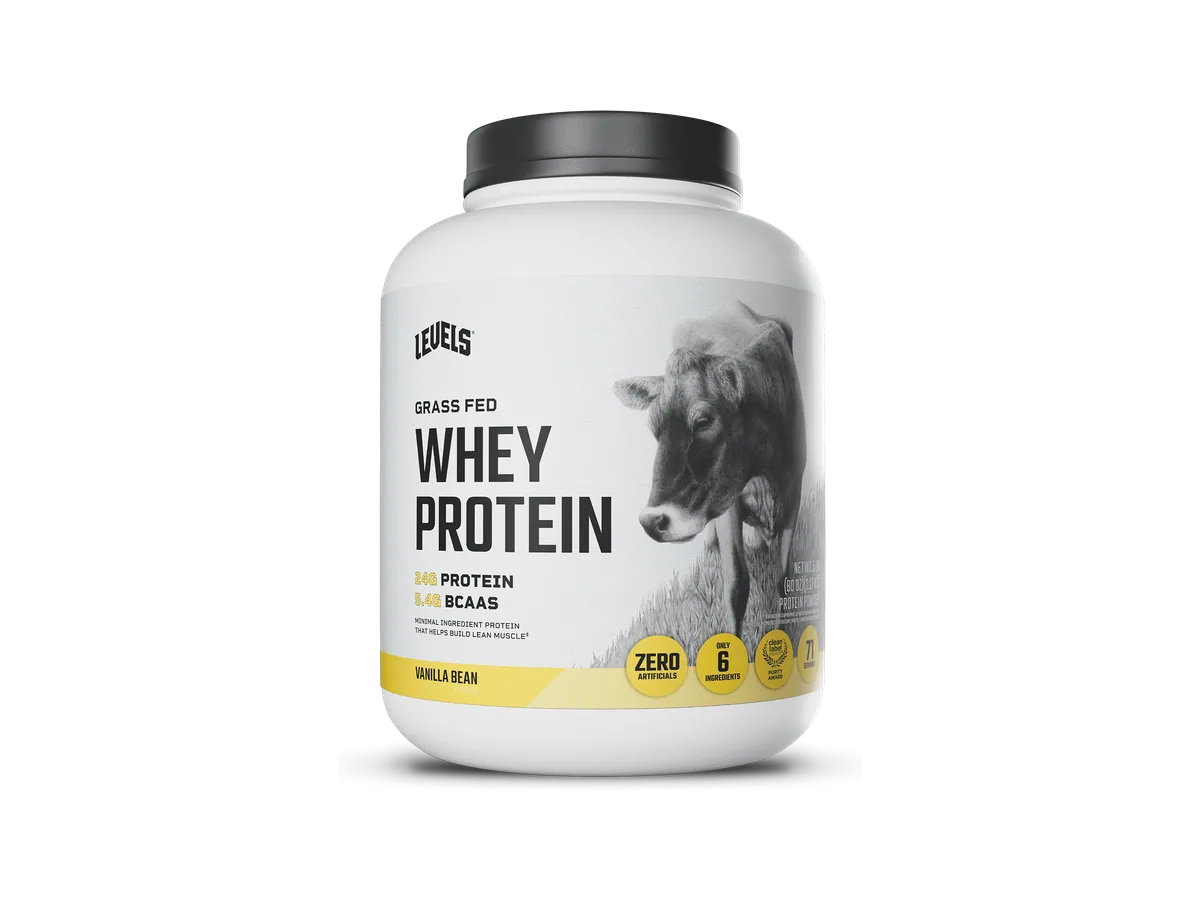
- Levels Grass Fed Whey — Vanilla Bean (2 lb)Best for: A conventional whey serving when you want to mix protein into a coffee routine yourself.A vanilla whey option with a short ingredient list on the brand's current product page. Mixing still depends on the recipe and method; start with the label directions.Our full reviewPrices change often; use the retailer link for the current price.
- Levels Grass Fed Whey — Vanilla Bean (5 lb)Best for: Daily users comparing larger package sizes and current cost per serving.The same vanilla whey in a larger package. Compare the current listing and serving count before choosing a size.Prices change often; use the retailer link for the current price.
-
 Optimum Nutrition Gold Standard Whey — Double Rich Chocolate (5 lb)Best for: A mainstream whey option with manufacturer instructions for mixing into cold beverages.Optimum Nutrition's current directions say to mix one scoop into 6–8 ounces of a cold beverage, then stir, shake, or blend. Check the exact flavor label for its ingredients.Our full reviewPrices change often; use the retailer link for the current price.
 -
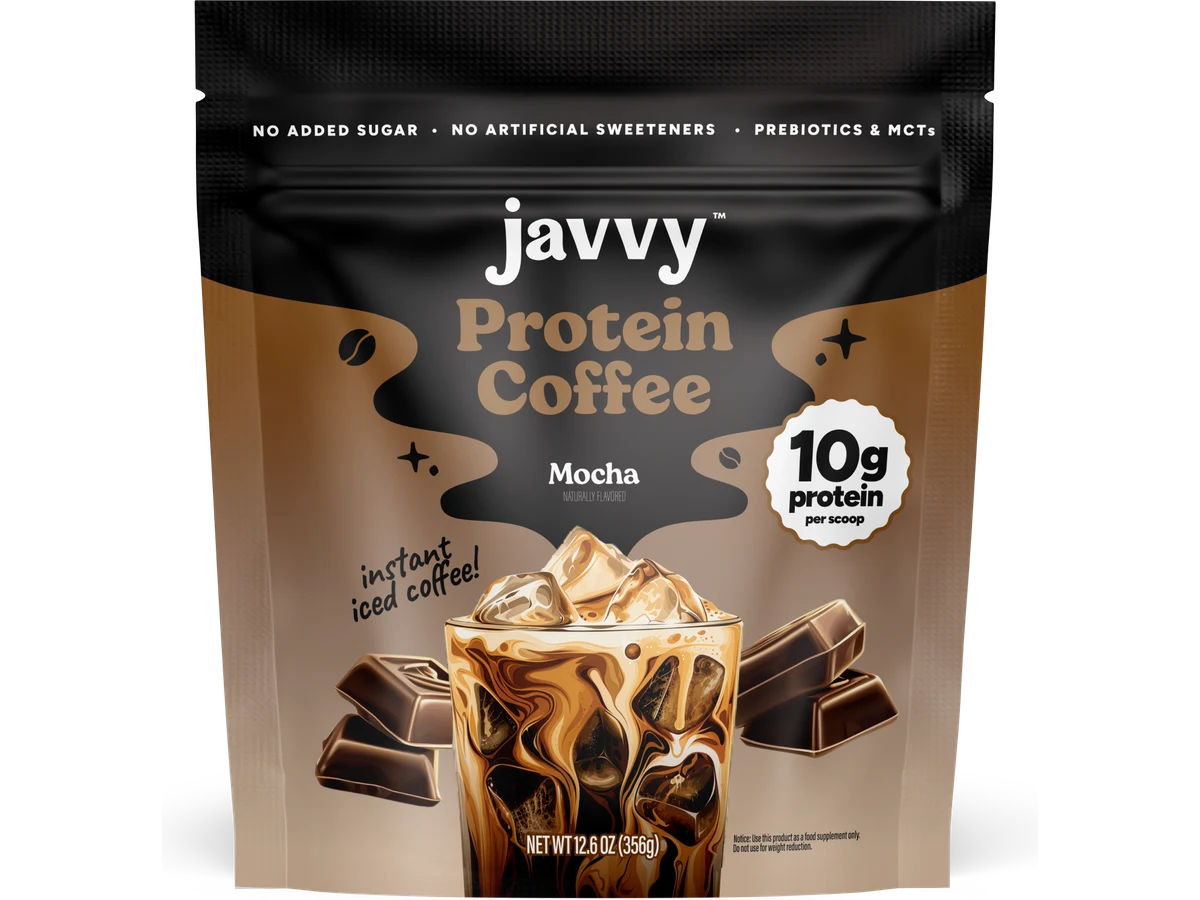 Javvy Protein Coffee — Chocolate MochaBest for: A coffee-and-whey powder in one pouch, for shoppers who are comfortable mixing a scoop into cold liquid.This is a bagged powder, not a ready-to-drink coffee or concentrate. Javvy says each scoop has 10g of whey protein and 80mg of caffeine, and directs customers to mix 1–2 scoops into 8–16 ounces of water or milk.Our full reviewPrices change often; use the retailer link for the current price.
How we'd choose
| Pick | Our call | Buy it for | The catch |
|---|---|---|---|
| Levels Grass Fed Whey — Vanilla Bean (2 lb) | A vanilla whey option with a short ingredient list on the brand's current product page. Mixing still depends on the recipe and method; start with the label directions. | A conventional whey serving when you want to mix protein into a coffee routine yourself. | — |
| Levels Grass Fed Whey — Vanilla Bean (5 lb) | The same vanilla whey in a larger package. Compare the current listing and serving count before choosing a size. | Daily users comparing larger package sizes and current cost per serving. | — |
| Optimum Nutrition Gold Standard Whey — Double Rich Chocolate (5 lb) | Optimum Nutrition's current directions say to mix one scoop into 6–8 ounces of a cold beverage, then stir, shake, or blend. Check the exact flavor label for its ingredients. | A mainstream whey option with manufacturer instructions for mixing into cold beverages. | — |
| Javvy Protein Coffee — Chocolate Mocha | This is a bagged powder, not a ready-to-drink coffee or concentrate. Javvy says each scoop has 10g of whey protein and 80mg of caffeine, and directs customers to mix 1–2 scoops into 8–16 ounces of water or milk. | A coffee-and-whey powder in one pouch, for shoppers who are comfortable mixing a scoop into cold liquid. | — |
-
Levels Grass Fed Whey — Vanilla Bean (2 lb)
- Our call
- A vanilla whey option with a short ingredient list on the brand's current product page. Mixing still depends on the recipe and method; start with the label directions.
- Buy it for
- A conventional whey serving when you want to mix protein into a coffee routine yourself.
- The catch
- —
-
Levels Grass Fed Whey — Vanilla Bean (5 lb)
- Our call
- The same vanilla whey in a larger package. Compare the current listing and serving count before choosing a size.
- Buy it for
- Daily users comparing larger package sizes and current cost per serving.
- The catch
- —
-
Optimum Nutrition Gold Standard Whey — Double Rich Chocolate (5 lb)
- Our call
- Optimum Nutrition's current directions say to mix one scoop into 6–8 ounces of a cold beverage, then stir, shake, or blend. Check the exact flavor label for its ingredients.
- Buy it for
- A mainstream whey option with manufacturer instructions for mixing into cold beverages.
- The catch
- —
-
Javvy Protein Coffee — Chocolate Mocha
- Our call
- This is a bagged powder, not a ready-to-drink coffee or concentrate. Javvy says each scoop has 10g of whey protein and 80mg of caffeine, and directs customers to mix 1–2 scoops into 8–16 ounces of water or milk.
- Buy it for
- A coffee-and-whey powder in one pouch, for shoppers who are comfortable mixing a scoop into cold liquid.
- The catch
- —
As an Amazon Associate, we may earn from qualifying purchases.
This is a label-and-instructions comparison, not a hands-on mixing test. A powder that disperses well in a shaker may behave differently when stirred straight into coffee, so follow the current package directions and try a small serving before changing your routine.
How to reduce clumps in iced coffee
There is no single ingredient that guarantees a smooth cold mix. The formula matters, but so do liquid temperature, the order of ingredients, and the mixing tool. Lecithin appears in some powders as an emulsifier; its presence alone does not prove that a product will mix smoothly in every drink.
For a simple starting method, put cold water or milk in a shaker first, add one scoop, and shake until it is dispersed. If you want to add protein to brewed coffee, first mix the powder into a small amount of cold milk or water. Add the coffee gradually and adjust the amount of liquid to taste. The directions on the current product label take priority.
Options to compare
Levels Grass Fed Whey — Vanilla Bean
This is a conventional whey powder for shoppers who want to make their own coffee-and-protein combination. The current Levels product page lists 24g of protein per serving and offers Vanilla Bean in multiple package sizes. Ingredients and nutrition can vary by flavor, so check the exact tub before choosing it. Read our Levels review for the broader product overview.
The 2 lb and 5 lb links above go to different package listings. Compare serving count and current price at the retailer; a larger bag is not automatically the better deal.
Optimum Nutrition Gold Standard Whey — Double Rich Chocolate
The manufacturer currently directs shoppers to mix one scoop into 6–8 ounces of a cold beverage, then stir, shake, or blend. Its US product page lists 24g of protein per serving. Check the exact flavor label and current seller because package sizes and formulas can vary. See our full Gold Standard review for the product’s tradeoffs.
Javvy Protein Coffee — Chocolate Mocha
Javvy Protein Coffee is a powder, not a coffee concentrate and not a ready-to-drink beverage. The brand says to mix 1–2 scoops into 8–16 ounces of water or milk and recommends using a shaker. Its current product page lists 20 servings per pouch, 10g of protein per scoop, and 80mg of caffeine per scoop. Javvy also confirms that the whey is dairy-based. Check the current listing for flavor, package, ingredients, and price before buying; the manufacturer’s Protein Coffee page shows its current product information and preparation instructions.
That makes Javvy a combined coffee-and-protein powder, not a way to avoid mixing. Its protein amount per scoop is lower than a conventional whey serving, so compare the labels against what you want from the drink.
Read our research review of Javvy Chocolate Mocha Protein Coffee for the product’s dairy note and the different single-bag prices shown on the brand page.
What to check before buying
- Protein per serving: Compare the actual amount on the selected flavor’s label, not a headline for a different package.
- Mixing directions: Look for the recommended liquid and tool. A shaker, blender, or milk frother can produce different results from a spoon.
- Ingredients and allergens: Whey is dairy-based; check the complete label for milk, soy, sweeteners, and other ingredients relevant to you.
- Coffee and caffeine: A powder that includes coffee adds caffeine. Count it alongside any other coffee or supplements you use.
- Current package and price: Offers, sizes, and marketplace sellers change. Confirm the exact item at checkout.
The short answer
Choose a standard whey powder if you want a larger protein serving and are comfortable mixing it into your drink. Consider Javvy when a coffee-flavored whey blend is more appealing, while remembering that it still needs to be mixed and supplies 10g of protein per scoop. In either case, check the current label and use the brand’s preparation directions. For a broader look at whey, clear protein, plant-based powder, and meal-shake formats, see our best protein powders guide.
-
Levels Grass Fed Whey — Vanilla Bean (2 lb)
A conventional whey serving when you want to mix protein into a coffee routine yourself.
-
Levels Grass Fed Whey — Vanilla Bean (5 lb)
Daily users comparing larger package sizes and current cost per serving.
-
Optimum Nutrition Gold Standard Whey — Double Rich Chocolate (5 lb)
A mainstream whey option with manufacturer instructions for mixing into cold beverages.
-
Javvy Protein Coffee — Chocolate Mocha
A coffee-and-whey powder in one pouch, for shoppers who are comfortable mixing a scoop into cold liquid.
As an Amazon Associate, we may earn from qualifying purchases.
Frequently asked questions
Why can protein powder clump in iced coffee?
What is the easiest way to mix protein powder into iced coffee?
Is Javvy Protein Coffee premixed?
Does Javvy Protein Coffee contain dairy?
Affiliate disclosure
Some links on this page may be affiliate links — we may earn a commission if you buy through them, at no extra cost to you. We only recommend products we think are worth considering. Verdicts are not influenced by commissions.
Health disclaimer
This content is for informational purposes only and is not medical advice. Talk to a qualified professional before starting new supplements, treatments, or major health changes.