Best Recovery Tools Under $100 (2026): Picks + Codes
Compare picks & prices ↓Compare three under-$100 recovery accessories: a MOBOT roller bottle, Cool Relief knee wrap and AVOS slides, with codes, fit checks and price snapshots.
We may earn a commission from our links or codes.
Promo code SEBASTIANBASSOL AVOS: 10% off AVOS discount code details →
Promo code SEBASTIANBASSOL Cool Relief: 10% off Cool Relief discount code details →
Promo code WWIL MOBOT: 15% off MOBOT discount code details →
Choose by use case
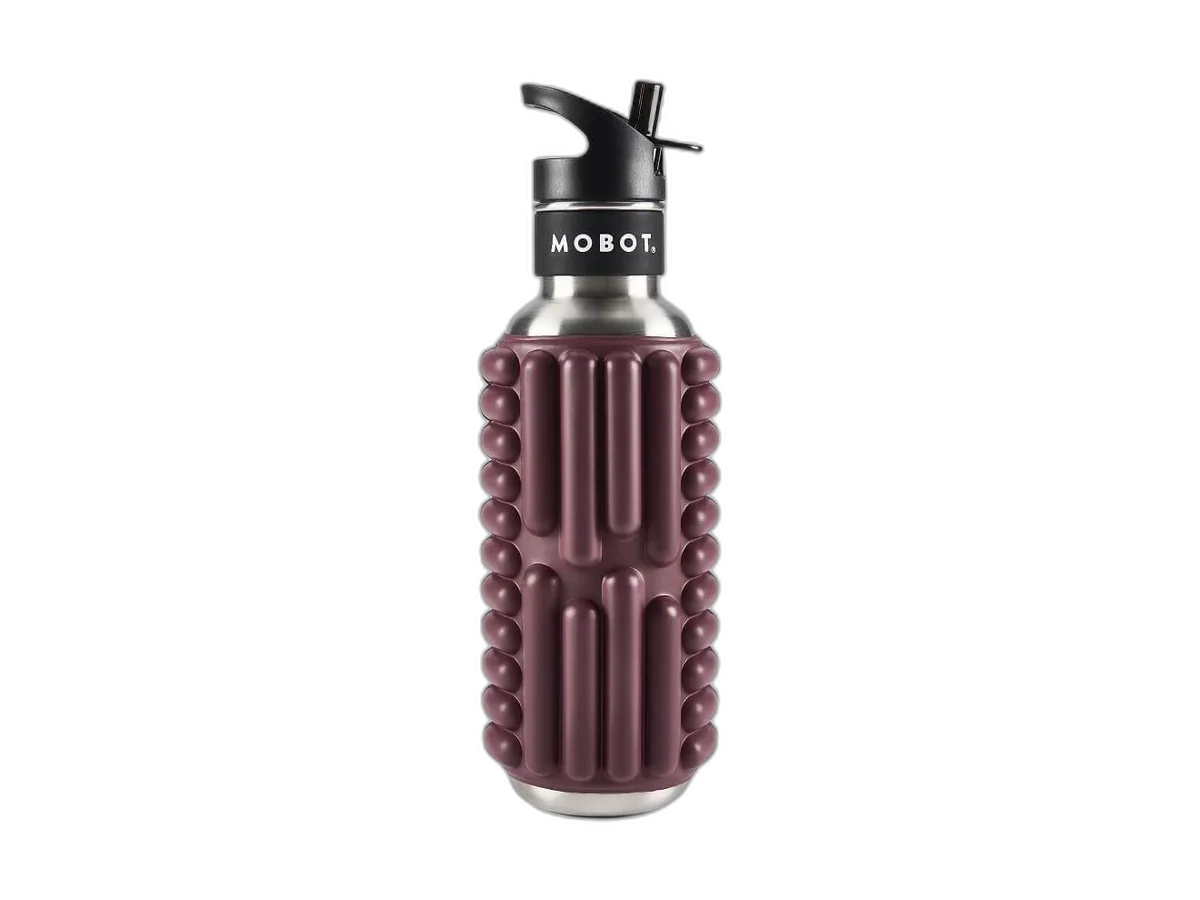
- Grace MOBOT 27oz - BeetPortable roller bottleBest for: A medium-size foam-roller bottle for gym bags, desk breaks, and travel.Strong Buy for people who want a portable foam-roller bottle for everyday movement. The two-in-one design is useful when you will use both functions, while its single-wall bottle and compact roller make it a specialist pick.Our full review
$59.99without code$50.99estimated withcode WWILEstimated saving$9 (15% off)with our codePrices change often; use the retailer link for the current price. -
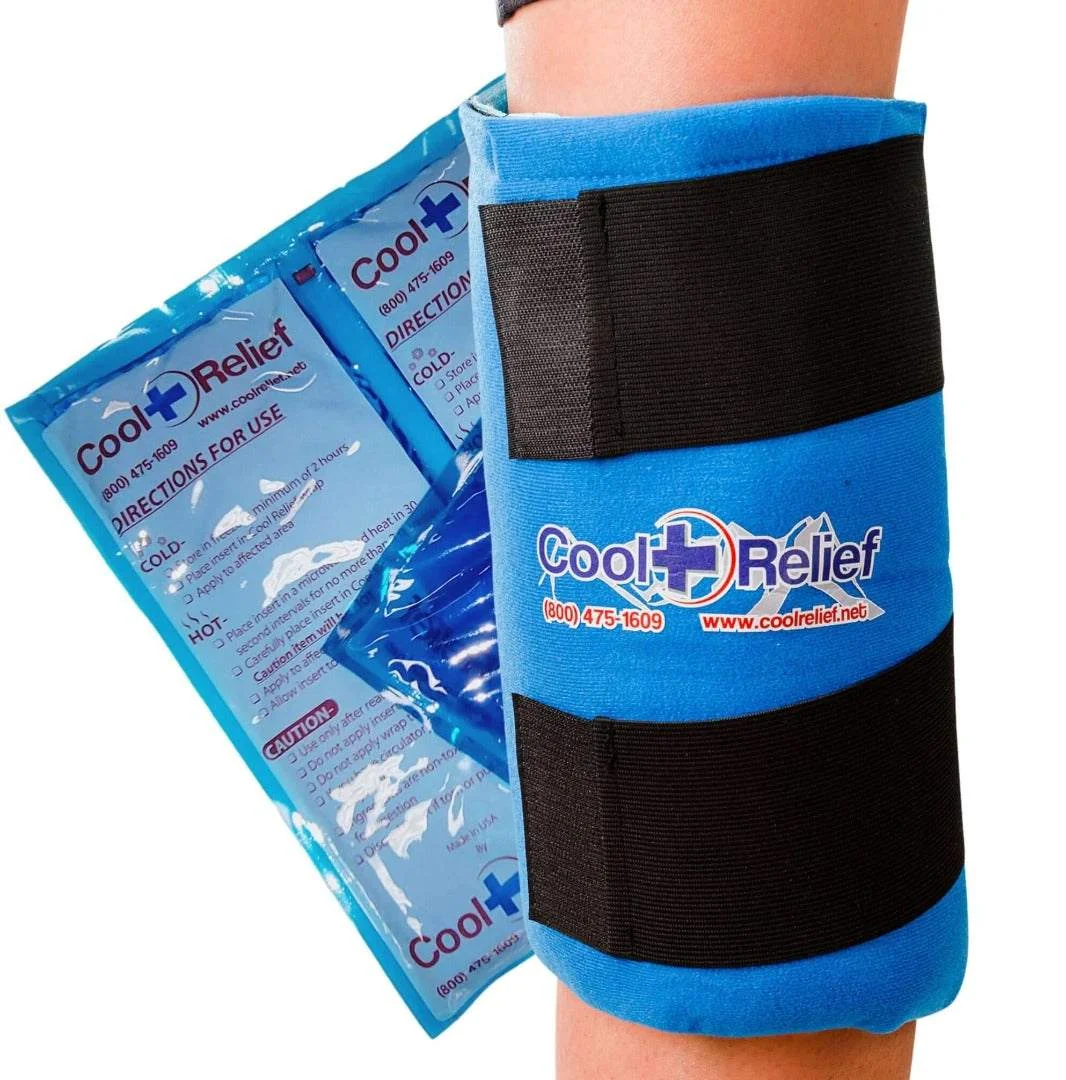 Cool Relief Knee Ice Pack Soft Gel Wrap (CRSK-1)Simple freezer-based knee wrapBest for: A reusable soft-gel cold wrap with an adjustable fit for either knee.A practical cold wrap we tested and liked for an adjustable, reusable alternative to balancing a loose ice pack. It is a simple cold-application accessory, not a powered recovery system or a medical treatment.Our full review
$32.95without codeList $39.99$29.66estimated withcode SEBASTIANBASSOLEstimated saving$3.29 (10% off)with our code· $10.33 below listPrices change often; use the retailer link for the current price. -
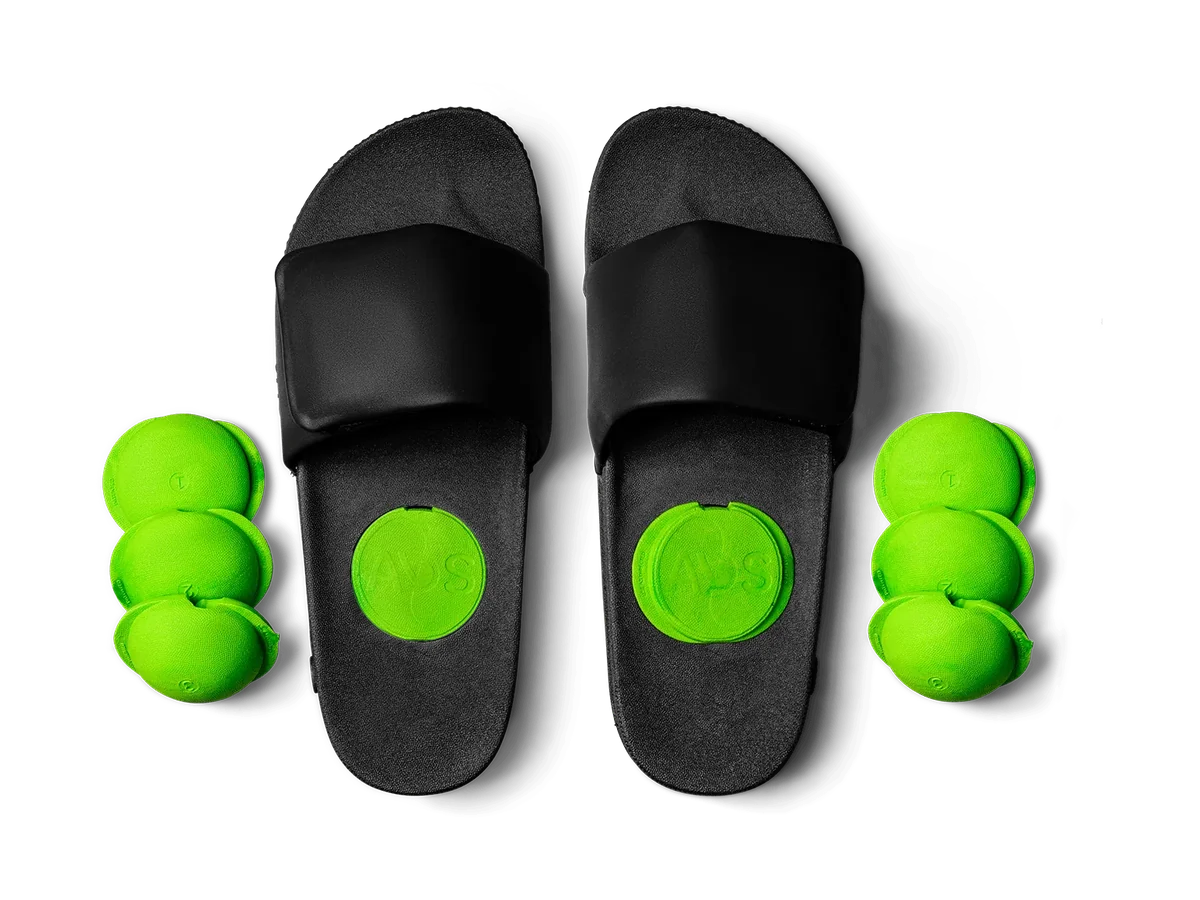 AVOS Therapy Slides V3.1Adjustable foot-massage insertsBest for: A foot-specific home routine when adjustable inserts and the fit suit you.A distinctive under-$100 option when you prefer adjustable pressure underfoot to a handheld massage tool.Our full review
$67.99without codeList $79.99$61.19estimated withcode SEBASTIANBASSOLEstimated saving$6.80 (10% off)with our code· $18.80 below listPrices change often; use the retailer link for the current price.
How we'd choose
| Pick | Our call | Buy it for | The catch |
|---|---|---|---|
| Grace MOBOT 27oz - Beet | Portable roller bottle | A medium-size foam-roller bottle for gym bags, desk breaks, and travel. | Single-wall bottle and a smaller rolling surface; not a substitute for a full-size roller or insulated bottle. |
| Cool Relief Knee Ice Pack Soft Gel Wrap (CRSK-1) | Simple freezer-based knee wrap | A reusable soft-gel cold wrap with an adjustable fit for either knee. | No powered circulation or temperature control; fit and cold-use instructions matter. |
| AVOS Therapy Slides V3.1 | Adjustable foot-massage inserts | A foot-specific home routine when adjustable inserts and the fit suit you. | Pressure and fit are personal; compare the size chart and return terms. |
-
Grace MOBOT 27oz - Beet
- Our call
- Portable roller bottle
- Buy it for
- A medium-size foam-roller bottle for gym bags, desk breaks, and travel.
- The catch
- Single-wall bottle and a smaller rolling surface; not a substitute for a full-size roller or insulated bottle.
-
Cool Relief Knee Ice Pack Soft Gel Wrap (CRSK-1)
- Our call
- Simple freezer-based knee wrap
- Buy it for
- A reusable soft-gel cold wrap with an adjustable fit for either knee.
- The catch
- No powered circulation or temperature control; fit and cold-use instructions matter.
-
AVOS Therapy Slides V3.1
- Our call
- Adjustable foot-massage inserts
- Buy it for
- A foot-specific home routine when adjustable inserts and the fit suit you.
- The catch
- Pressure and fit are personal; compare the size chart and return terms.
Our under-$100 shortlist is MOBOT Grace for a portable roller bottle, Cool Relief for a reusable knee cold wrap, and AVOS for adjustable foot-massage slides when the fit and pressure suit your routine. Each has a recorded partner code and a different purpose. Choose the tool you will use rather than buying a collection of recovery gadgets.
The selected products cost less than $100 before a code in the October 12, 2026 checks. Shipping, tax, size and store eligibility can change the final total. The discounts below are recorded offers with estimated arithmetic; a final cart check decides what applies.
Quick picks: match the tool to the job
| What you need | Pick | Listed price | Code estimate before tax and shipping |
|---|---|---|---|
| A bottle and portable rolling surface | MOBOT Grace Beet | $59.99 | $50.99 with WWIL: 15% offer |
| A freezer-based knee wrap | Cool Relief CRSK-1 | $32.95 | $29.66 with SEBASTIANBASSOL: 10% offer |
| Adjustable pressure underfoot | AVOS Therapy Slides V3.1 | $67.99 selected-size price snapshot | $61.19 with SEBASTIANBASSOL: 10% offer |
MOBOT Grace: portable rolling without packing a separate roller
Grace makes sense if you already carry water and would use a textured rolling surface on the same piece of gear. The 27 oz Beet bottle was listed at $59.99 in the October 12 price snapshot. The recorded WWIL 15% offer produces a $50.99 estimate if it applies.
The useful feature is convenience: the roller is with the bottle you brought to work, the gym or a trip. The tradeoff is the smaller rolling surface and single-wall construction. Buy it when both functions matter. Choose a conventional full-size roller for longer floor sessions or an insulated bottle when temperature retention is the priority.
Read our MOBOT Grace review and use the MOBOT code page to copy WWIL and shop. If you want a larger bottle and rolling area, the Big Bertha review explains that alternative and its extra bulk.
Cool Relief: a simple knee wrap for localized cold application
Cool Relief’s CRSK-1 combines a reusable soft-gel insert, a neoprene sleeve and adjustable straps. It is the compact freezer-based option when a wrap is more convenient than holding a loose gel pack in place. Our review records that we tested and liked the adjustable format.
The current listing showed $32.95, compared with $39.99. The recorded 10% SEBASTIANBASSOL offer gives a $29.66 estimate if it applies to that sale. The page also shows a separate bundle with an extra insert; that is a different order from the single wrap, so compare what is included and do not assume promotions stack.
Buy it for the simple wrap format. It does not circulate chilled water or maintain a controlled temperature like a powered system. Follow the cold-use and care instructions; it is not a promise of faster healing.
Read our Cool Relief knee-wrap review and use its code page for the tracked shop route.
AVOS: foot-massage slides with a size-specific buying decision
AVOS is our foot-specific choice when you want adjustable inserts in a pair of home slides rather than a handheld tool. The removable inserts let you vary the pressure feel, including a flat option. That is a distinctive format, but pressure and fit will not suit every foot.
The selected 5 Men / 6.5 Women version was listed at $67.99 in the October 12, 2026 price snapshot. Other size and price combinations may differ, so compare the brand’s size chart and current order total. The recorded SEBASTIANBASSOL 10% offer gives a $61.19 estimate if it applies to this selection.
Buy AVOS for the adjustable foot-massage format. Choose another tool if you do not want pressure underfoot or need a different fit. Brand and customer health claims do not establish that the slides treat a condition.
Read the AVOS review and use the AVOS code page to check the chosen size and final total.
Keep the budget honest
A Hypervolt Go 3 price around $129 and a Wave Roller price around $180 put those powered devices outside an under-$100 shopping brief. Use the Hypervolt review or Wave Roller review if a powered device is the reason you are shopping and your budget allows it.
Likewise, wearable weights are training accessories, not substitutes for a roller or cold wrap. We keep those choices in the weighted-vest guide rather than presenting every fitness item as recovery gear.
Our recommendation
MOBOT is the portable two-in-one option, Cool Relief is the simpler knee-wrap purchase, and AVOS is the foot-specific choice after a size check. Start with one tool for a clear job, compare the selected product and delivery cost, then apply its code. If the tool does not fit your routine, a discount does not make it a useful purchase.
-
Grace MOBOT 27oz - Beet
Portable roller bottle · A medium-size foam-roller bottle for gym bags, desk breaks, and travel.
$59.99without code$50.99estimated withcode WWILEstimated saving$9 (15% off)with our code -
Cool Relief Knee Ice Pack Soft Gel Wrap (CRSK-1)
Simple freezer-based knee wrap · A reusable soft-gel cold wrap with an adjustable fit for either knee.
$32.95without codeList $39.99$29.66estimated withcode SEBASTIANBASSOLEstimated saving$3.29 (10% off)with our code· $10.33 below list -
AVOS Therapy Slides V3.1
Adjustable foot-massage inserts · A foot-specific home routine when adjustable inserts and the fit suit you.
$67.99without codeList $79.99$61.19estimated withcode SEBASTIANBASSOLEstimated saving$6.80 (10% off)with our code· $18.80 below list
Frequently asked questions
Which recovery tool under $100 should I buy first?
What is the MOBOT promo code?
What is the Cool Relief discount code?
How should I choose an AVOS slide size?
Does a recovery accessory replace medical care?
Why are massage guns and powered rollers not the main picks?
Affiliate disclosure
Some links on this page may be affiliate links — we may earn a commission if you buy through them, at no extra cost to you. We only recommend products we think are worth considering. Verdicts are not influenced by commissions.
Health disclaimer
This content is for informational purposes only and is not medical advice. Talk to a qualified professional before starting new supplements, treatments, or major health changes.