Manduka PRO yoga mat review: the only mat I've never replaced
Listed price ~$140 Recorded price snapshot. Confirm the final total at checkout.
Check current price on Amazon →We may earn a commission if you buy through our links or codes.
The expensive yoga mat that's actually cheaper per year of use than anything in its class. Heavy, dense, and basically indestructible. The only catch is it's not portable.
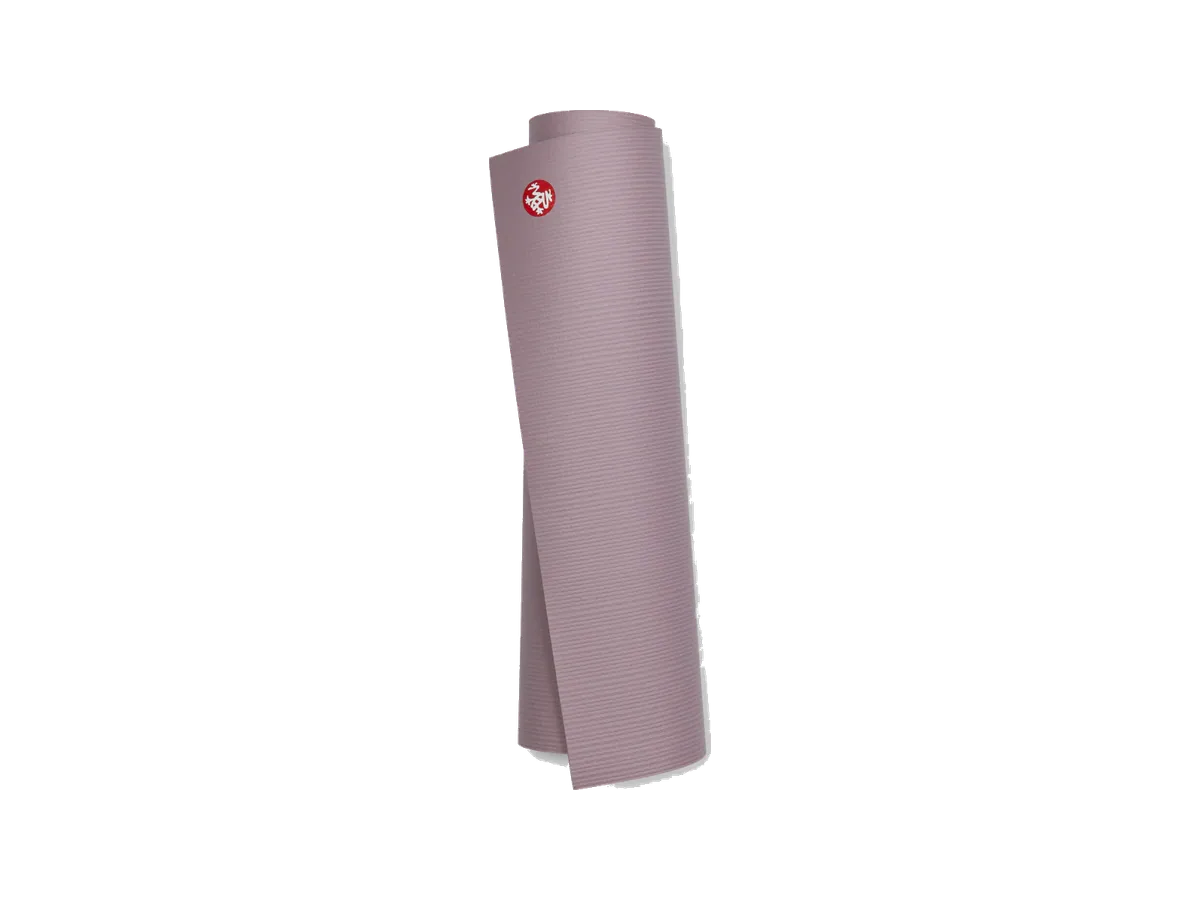
Our verdict
The expensive yoga mat that's actually cheaper per year of use than anything in its class. Heavy, dense, and basically indestructible. The only catch is it's not portable.
As an Amazon Associate, we may earn from qualifying purchases.
Why we landed on Definitely Well Worth It
The expensive yoga mat that's actually cheaper per year of use than anything in its class. Heavy, dense, and basically indestructible. The only catch is it's not portable.
Who we'd buy it for Anyone with a regular home practice — yoga, pilates, mobility, mat-based strength work. Especially good for tall people (the 71" length is noticeably more useful than 68").
Who we'd tell to skip it You commute to a studio with the mat in tow, you do mostly hot yoga (the surface gets slippery with heavy sweat — the Manduka eKO is the better pick), or you'd genuinely use a $30 mat just as much.
The part we will not talk past About 7.5 lb — unwieldy if you commute to a studio.
Pros
- 6 mm thick — the joint-saving gold standard for daily floor work.
- Lifetime guarantee that the brand actually honors.
- Closed-cell surface doesn't absorb sweat — easy to wipe clean.
Cons
- About 7.5 lb — unwieldy if you commute to a studio.
- Slippery for the first few weeks until you break it in.
- Expensive sticker price (~$140).
We’d buy the Manduka PRO for a regular home practice and leave it if you have to carry it to a studio or you do mostly hot yoga, where the surface gets slippery with heavy sweat. It’s heavy and not portable — I bought a Manduka PRO seven years ago, and it’s still the mat I’m using.
That’s the entire sales pitch, and the reason I picked this up to write about: the math on a $140 yoga mat is wildly different when you’ve actually owned one for a long time vs. when you’re staring at the price tag deciding whether to spend it.
The case for spending more on a mat than you’d want to
Yoga is one of those categories where the “good enough” cheap option turns out to be expensive. A $30 mat compresses under your knees within a year and starts smelling slightly off — open-cell foam absorbs sweat and there’s no fixing it once it’s in there. So you replace it. And again. And again.
I owned three cheap mats before I bought the Manduka. If I’d just bought the PRO first, I’d have spent half as much over the same period.
What’s good about the Manduka PRO specifically
Density. This is the actual differentiator. Closed-cell PVC at 6 mm gives you a surface that doesn’t dent under your knees during long holds and doesn’t compress under your spine in supine work. Cheap mats will let your hip bones touch the floor; the PRO won’t.
Surface that doesn’t absorb sweat. The closed-cell PVC means moisture beads on the surface instead of soaking in. This is also why the brand offers a lifetime guarantee — the surface can be cleaned indefinitely.
Length. The 71” version is noticeably more useful than the 68” “standard” if you’re 5’10” or taller. Your fingertips actually have somewhere to land in a forward fold.
Lifetime guarantee. It’s real. People have sent in mats that delaminated after 8 years and gotten replacements. I’ve never had to use it; the mat is fine.
What you have to live with
Weight. It’s about 7.5 lb. Studio commute on a bike or transit becomes a project. This is the single biggest argument for going to a lighter mat (Lululemon Take Form, Manduka eKO Lite) if you’re a studio person.
Break-in period. The first 10–20 sessions, the surface is slippery. A wet rag and salt scrub on day one helps but doesn’t eliminate it. After about a month you stop thinking about it.
Sticker shock. $140 for something you could replace with a $25 mat from Target is a real psychological hurdle. The lifetime math is on your side; the day-of-purchase math isn’t.
Who’s actually said this is the gold standard
The Manduka PRO has been the default recommendation in serious yoga circles for over a decade. It’s what most studio teachers I’ve worked with own personally. Wirecutter’s mat review has named it the upgrade pick for years. The eKO is the alternate recommendation for hot yoga.
I don’t have an extra-credentialed opinion about yoga gear; I have a long-term-use opinion about this specific mat. Which is sometimes more useful than expert credentials.
Final verdict
Definitely Well Worth It.
If you have any kind of regular home practice — yoga, pilates, mobility, even floor strength work — the Manduka PRO is the right answer. Pay once. Use it for a decade. The math wins.
Who it's for
Anyone with a regular home practice — yoga, pilates, mobility, mat-based strength work. Especially good for tall people (the 71" length is noticeably more useful than 68").
Who should skip it
You commute to a studio with the mat in tow, you do mostly hot yoga (the surface gets slippery with heavy sweat — the Manduka eKO is the better pick), or you'd genuinely use a $30 mat just as much.
In this review
- Manduka PRO Yoga Mat (71", 6mm)Closed-cell PVC. Lifetime guarantee. Multiple colors.Prices change often; use the retailer link for the current price.
Manduka PRO Yoga Mat (71", 6mm)
Definitely Well Worth It
The expensive yoga mat that's actually cheaper per year of use than anything in its class. Heavy, dense, and basically indestructible. The only catch is it's not portable.
As an Amazon Associate, we may earn from qualifying purchases.
Frequently asked questions
Why so much for a yoga mat?
Why is it slippery at first?
Manduka PRO vs Manduka eKO?
What about cheaper Lululemon or Gaiam mats?
Affiliate disclosure
Some links on this page may be affiliate links — we may earn a commission if you buy through them, at no extra cost to you. We only recommend products we think are worth considering. Verdicts are not influenced by commissions.