Best heart-rate monitors and fitness sensors for running in 2026
Compare picks & prices ↓Choose the Polar H10 if you want a chest strap, the Forerunner 570 for training, the Venu 4 for all-day wear, or the Charge 6 for a simpler tracker.
Choose by use case
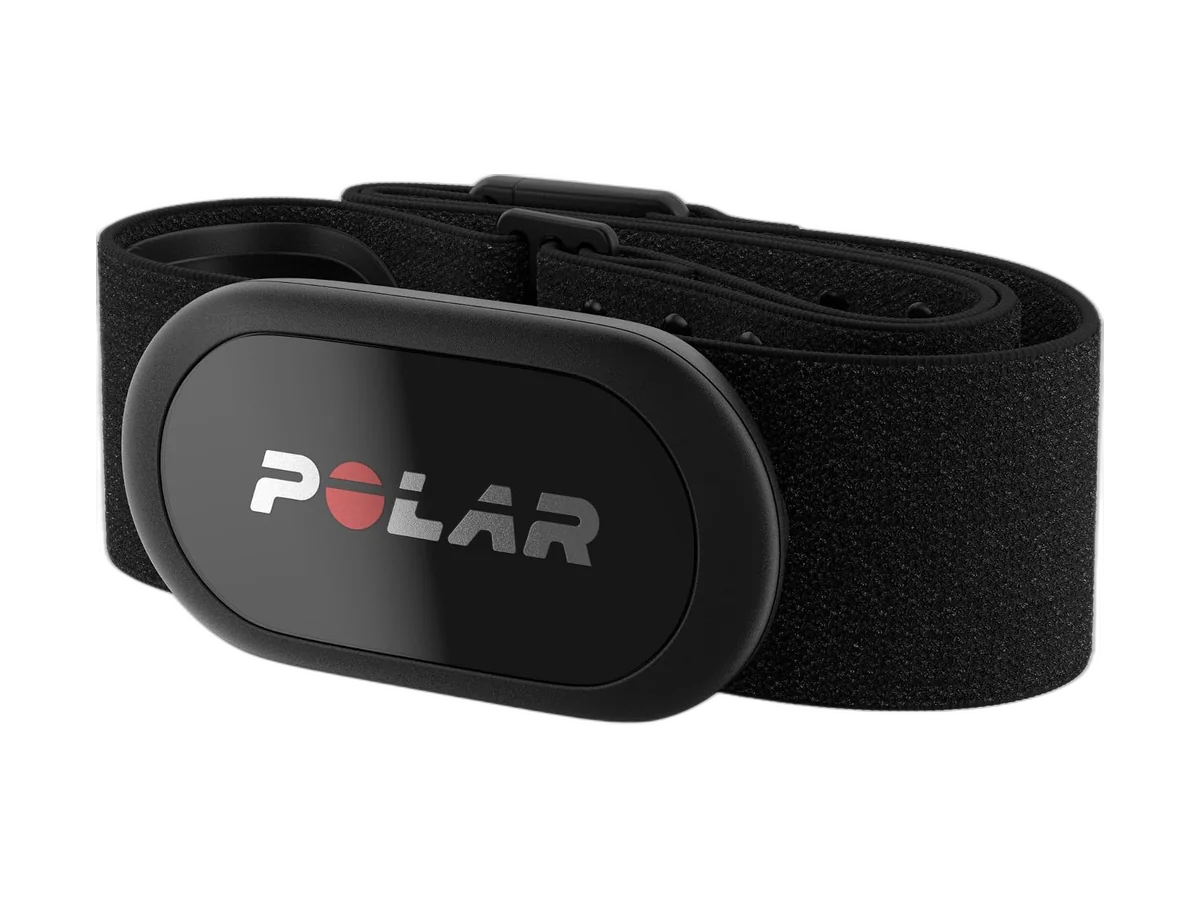
- Polar H10 Heart Rate SensorStrong Buy for Training DataBest for: Chest-based workout heart-rate data with broad Bluetooth and ANT+ compatibility.Best dedicated training sensor.Our full reviewPrices change often; use the retailer link for the current price.
-
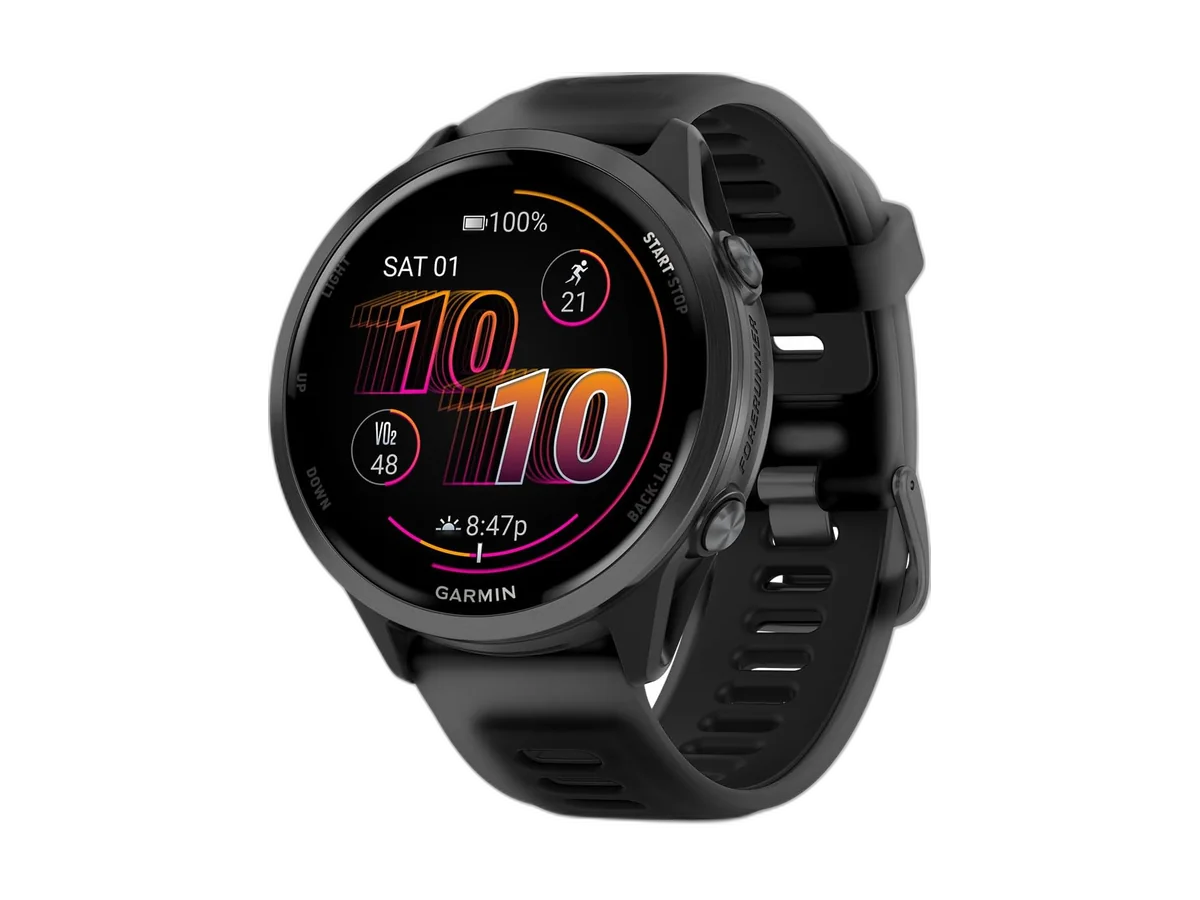 Garmin Forerunner 570 — 47 mmStrong Buy for RunnersBest for: Running and triathlon training with GPS, training plans, readiness, and suggested workouts.Best training-first watch.Our full reviewPrices change often; use the retailer link for the current price.
 -
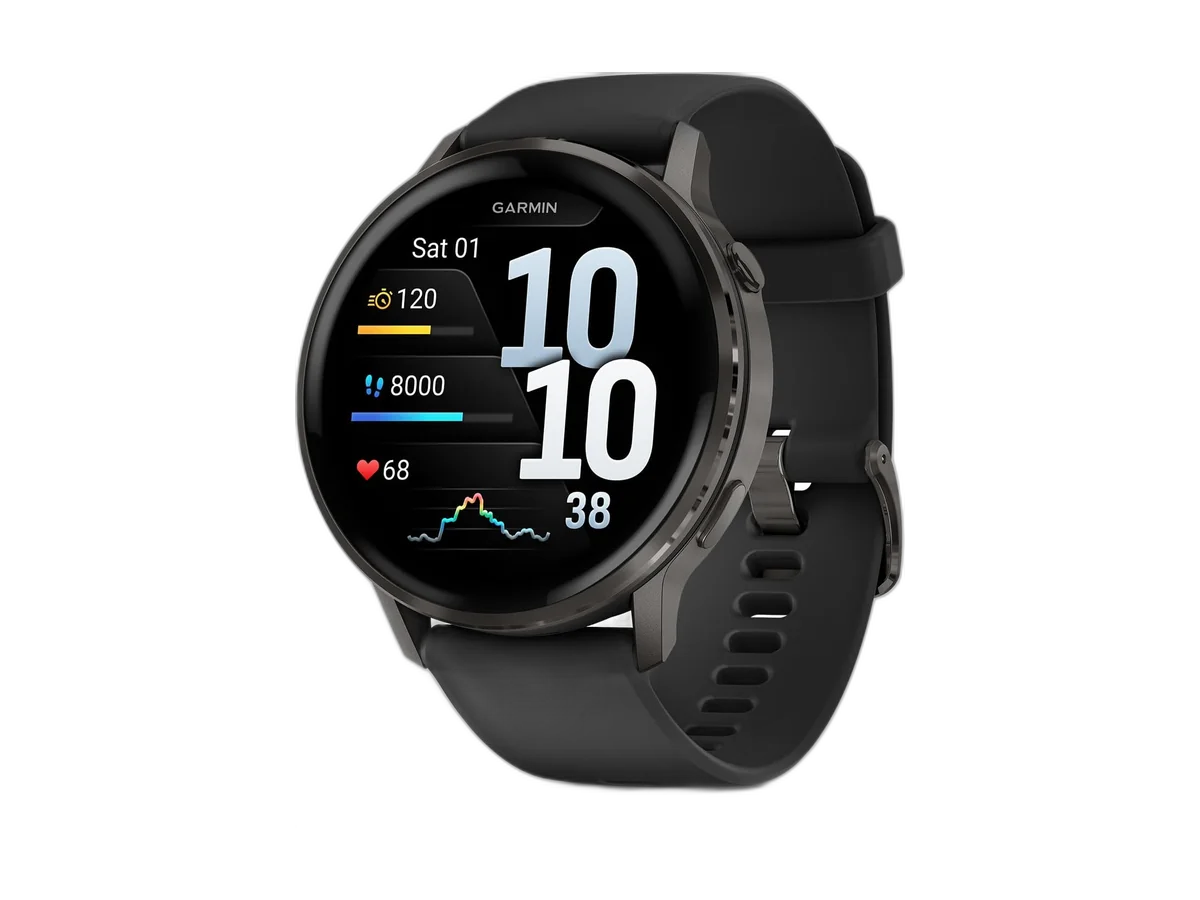 Garmin Venu 4 — 45 mmStrong Cross-Platform Fitness PickBest for: A broad everyday fitness and wellness watch with long battery life and iPhone/Android flexibility.Best everyday fitness wearable.Our full reviewPrices change often; use the retailer link for the current price.
 -
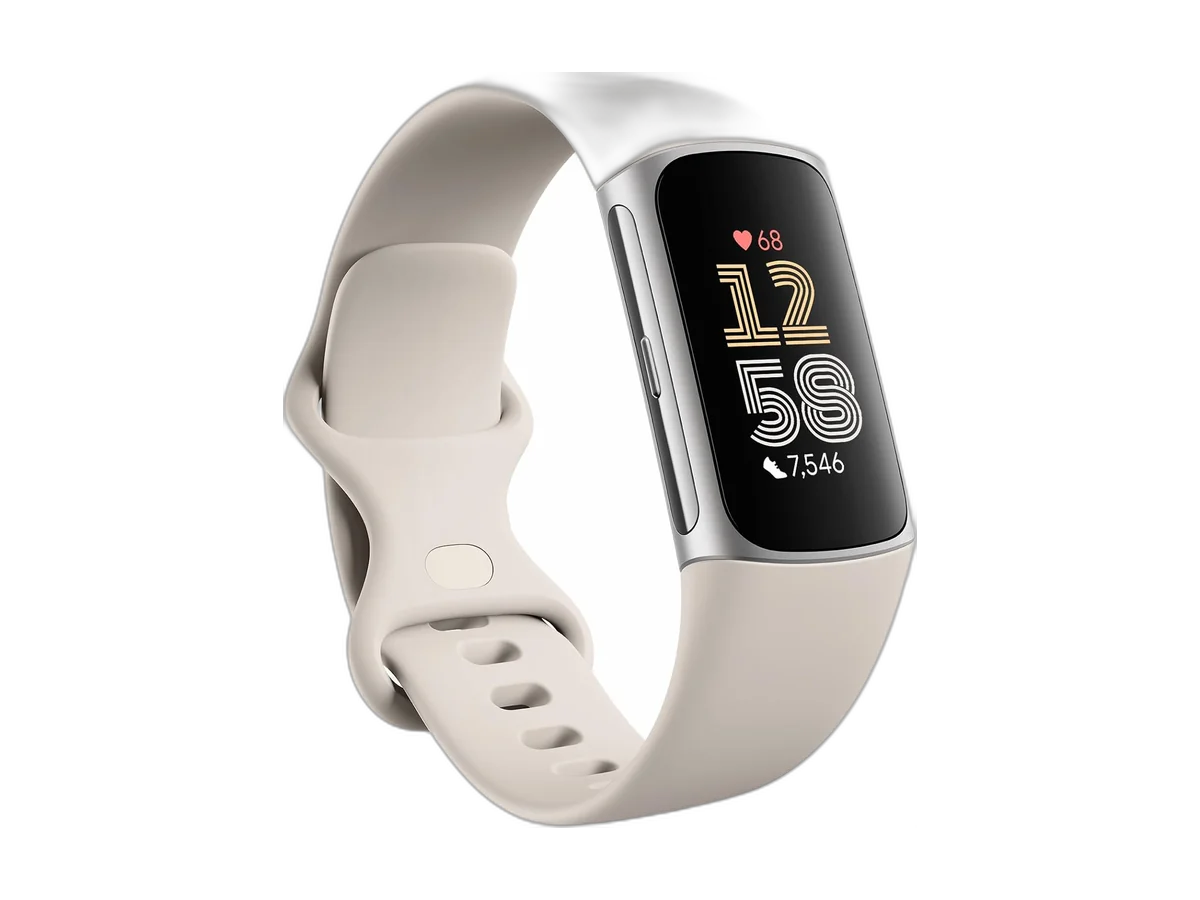 Fitbit Charge 6Strong Simple TrackerBest for: A smaller activity tracker with workouts, sleep context, and less smartwatch bulk.Best simpler wrist tracker.Our full reviewPrices change often; use the retailer link for the current price.
How we'd choose
| Pick | Our call | Buy it for | The catch |
|---|---|---|---|
| Polar H10 Heart Rate Sensor | Strong Buy for Training Data | Chest-based workout heart-rate data with broad Bluetooth and ANT+ compatibility. | — |
| Garmin Forerunner 570 — 47 mm | Strong Buy for Runners | Running and triathlon training with GPS, training plans, readiness, and suggested workouts. | — |
| Garmin Venu 4 — 45 mm | Strong Cross-Platform Fitness Pick | A broad everyday fitness and wellness watch with long battery life and iPhone/Android flexibility. | — |
| Fitbit Charge 6 | Strong Simple Tracker | A smaller activity tracker with workouts, sleep context, and less smartwatch bulk. | — |
-
Polar H10 Heart Rate Sensor
- Our call
- Strong Buy for Training Data
- Buy it for
- Chest-based workout heart-rate data with broad Bluetooth and ANT+ compatibility.
- The catch
- —
-
Garmin Forerunner 570 — 47 mm
- Our call
- Strong Buy for Runners
- Buy it for
- Running and triathlon training with GPS, training plans, readiness, and suggested workouts.
- The catch
- —
-
Garmin Venu 4 — 45 mm
- Our call
- Strong Cross-Platform Fitness Pick
- Buy it for
- A broad everyday fitness and wellness watch with long battery life and iPhone/Android flexibility.
- The catch
- —
-
Fitbit Charge 6
- Our call
- Strong Simple Tracker
- Buy it for
- A smaller activity tracker with workouts, sleep context, and less smartwatch bulk.
- The catch
- —
As an Amazon Associate, we may earn from qualifying purchases.
There is no single best heart-rate monitor because runners ask the sensor to do different jobs. Some want the cleanest workout signal from a chest strap. Others want GPS, training plans, recovery context, and notifications in one watch. A third group wants a small tracker that records activity and sleep without taking over the wrist.
This is our guide. We compared published Polar, Garmin, and Fitbit specifications with the exact Amazon variations linked below. Confirm size, strap, seller, phone compatibility, app terms, and return policy before ordering.
Quick picks
- Best dedicated training sensor: Polar H10
- Best training-first GPS watch: Garmin Forerunner 570
- Best everyday fitness wearable: Garmin Venu 4
- Best simpler tracker: Fitbit Charge 6
Polar H10: best dedicated training sensor
The Polar H10 review covers the chest-strap case in detail. Polar lists electrical heart-rate measurement, Bluetooth, ANT+, GymLink, a replaceable CR2025 battery rated for up to 400 hours, and water resistance up to 30 metres.
H10 is the right pick when the receiving device already exists. Pair it with a compatible Garmin, phone, bike computer, gym console, or training app and let the watch or app provide the interface. The sensor itself is not a smartwatch: there is no display, GPS, notification layer, or all-day dashboard.
The tradeoff is the chest strap. Some athletes like the dedicated format; others will not wear it consistently. Fit, moisture, and the exact strap size matter. If you do not want a chest strap, choose a wrist wearable instead.
Garmin Forerunner 570: best for structured running
The Garmin Forerunner 570 review is the clearest fit for a runner or triathlete who wants the watch to organize training. Garmin lists multi-band GPS, Garmin Coach plans, training readiness, training status, suggested workouts, and more than 30 activity profiles.
The 47mm model is listed for up to 11 days in smartwatch mode and up to 18 hours in GPS-only mode. The watch is still useful between workouts with calls, notifications, music, and safety features, but its reason to exist is training context.
Choose it over Venu 4 when structured running is the main job. Choose Venu 4 when the watch needs to be broader than running.
Garmin Venu 4: best everyday fitness wearable
The Garmin Venu 4 review covers the middle ground between a dedicated running watch and a phone-first smartwatch. Garmin lists sleep score and insights, training readiness, recovery time, Fitness Coach plans, multi-band GPS, music, payments, a flashlight, and connected features when paired with a compatible iPhone or Android phone.
The 45mm model has a headline smartwatch battery estimate of up to 12 days. Actual runtime changes with GPS, music, notifications, display settings, and health sensors, but the extra margin can make overnight wear easier to sustain.
Venu 4 is best for someone who wants to be active, track sleep, and wear one watch every day without turning the product into a specialist running instrument.
Fitbit Charge 6: best simpler wrist tracker
The Fitbit Charge 6 review is the better starting point for someone who wants a smaller wrist device with workouts and sleep context but does not need a large smartwatch screen.
Charge 6 is not a chest strap and it is not a training-first Garmin. Its appeal is the middle size: more visible and interactive than a screenless tracker, less demanding than a full smartwatch. Check current Google Fitbit software and subscription terms because the hardware decision is only part of the ownership cost.
Chest strap versus wrist sensor
The most important decision is not brand. It is whether the buyer will wear the device during the workouts that matter.
A chest strap can make sense when heart-rate zones and workout data are the priority. A wrist watch is more convenient when the buyer wants GPS, pace, sleep, notifications, and an interface without adding a second device. A simple tracker can be the best answer when the buyer wants less screen time and fewer reasons to interact with the wearable.
There is also a strong “both” use case. A runner may wear a Garmin for GPS and use Polar H10 as the workout sensor. That adds cost, but it can be more useful than expecting one device to be perfect at every job.
Health-data caution
Heart-rate, readiness, HRV, sleep, and recovery metrics are estimates and context. They are not diagnoses. A number that looks unusual should be interpreted alongside how you feel and, when appropriate, professional guidance or validated clinical testing.
Final verdict
Polar H10 is the best dedicated sensor, Forerunner 570 is the best training watch, Venu 4 is the best everyday fitness wearable, and Charge 6 is the best simpler tracker. Start with the job, then choose the form factor you will actually wear.
Check the current Polar H10, Garmin Forerunner 570, Garmin Venu 4, and Fitbit Charge 6 listings for current price, configuration, seller, and availability. Well Worth It Lab may earn from qualifying purchases through the tagged links above, at no extra cost to the buyer.
-
Polar H10 Heart Rate Sensor
Strong Buy for Training Data · Chest-based workout heart-rate data with broad Bluetooth and ANT+ compatibility.
-
Garmin Forerunner 570 — 47 mm
Strong Buy for Runners · Running and triathlon training with GPS, training plans, readiness, and suggested workouts.
-
Garmin Venu 4 — 45 mm
Strong Cross-Platform Fitness Pick · A broad everyday fitness and wellness watch with long battery life and iPhone/Android flexibility.
-
Fitbit Charge 6
Strong Simple Tracker · A smaller activity tracker with workouts, sleep context, and less smartwatch bulk.
As an Amazon Associate, we may earn from qualifying purchases.
Frequently asked questions
What is the best heart-rate monitor for running?
Is a chest strap more useful than a smartwatch?
Which sensor is best for everyday use?
Are fitness sensors medical devices?
Affiliate disclosure
Some links on this page may be affiliate links — we may earn a commission if you buy through them, at no extra cost to you. We only recommend products we think are worth considering. Verdicts are not influenced by commissions.
Health disclaimer
This content is for informational purposes only and is not medical advice. Talk to a qualified professional before starting new supplements, treatments, or major health changes.