The Best Magnesium for Sleep and Recovery (2026)
Compare picks & prices ↓We compared magnesium glycinate, citrate, powders, capsules, and budget options to find the forms worth considering for sleep and recovery routines.
We may earn a commission from our links or codes.
Promo code WWIL NATURELO: Discount amount not stated NATURELO discount code details →
Choose by use case
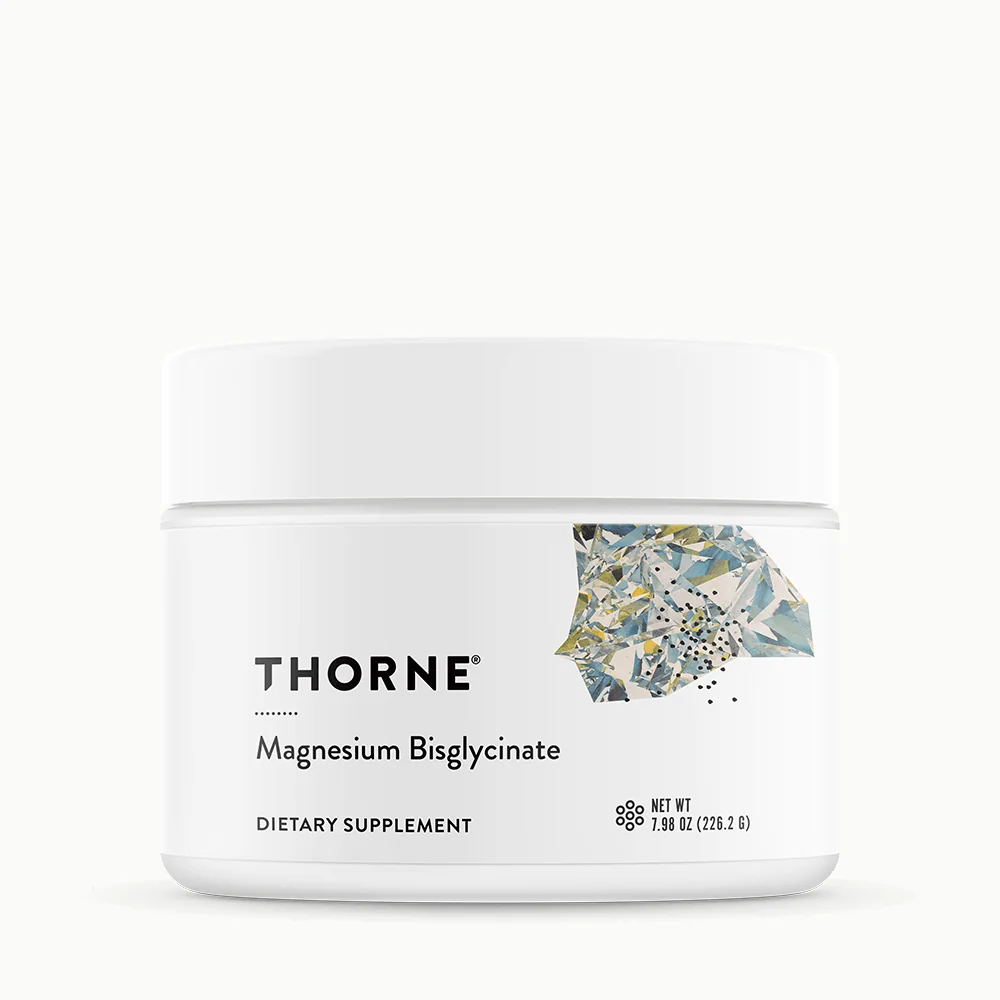
- Thorne Magnesium BisglycinateDefinitely Well Worth ItBest for: People who prefer a magnesium powder and value product-specific quality documentation.Best overall — a premium pick that earns its place if you like powder.Our full reviewPrices change often; use the retailer link for the current price.
-
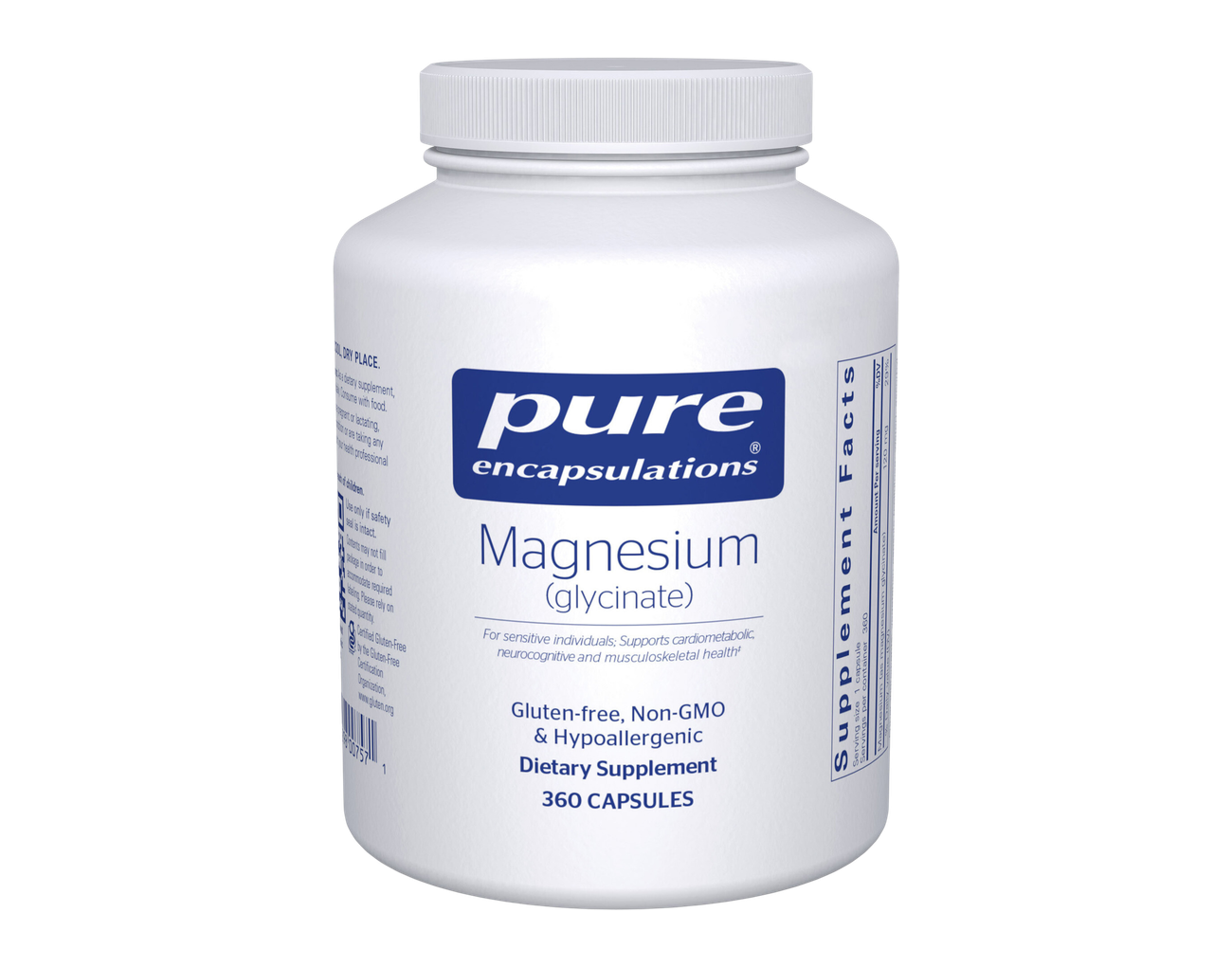 Pure Encapsulations Magnesium GlycinateStrong BuyBest for: People who prefer capsules and a hypoallergenic-leaning supplement brand.Best capsule form — simple, clean, and easy to dose.Our full reviewPrices change often; use the retailer link for the current price.
 -
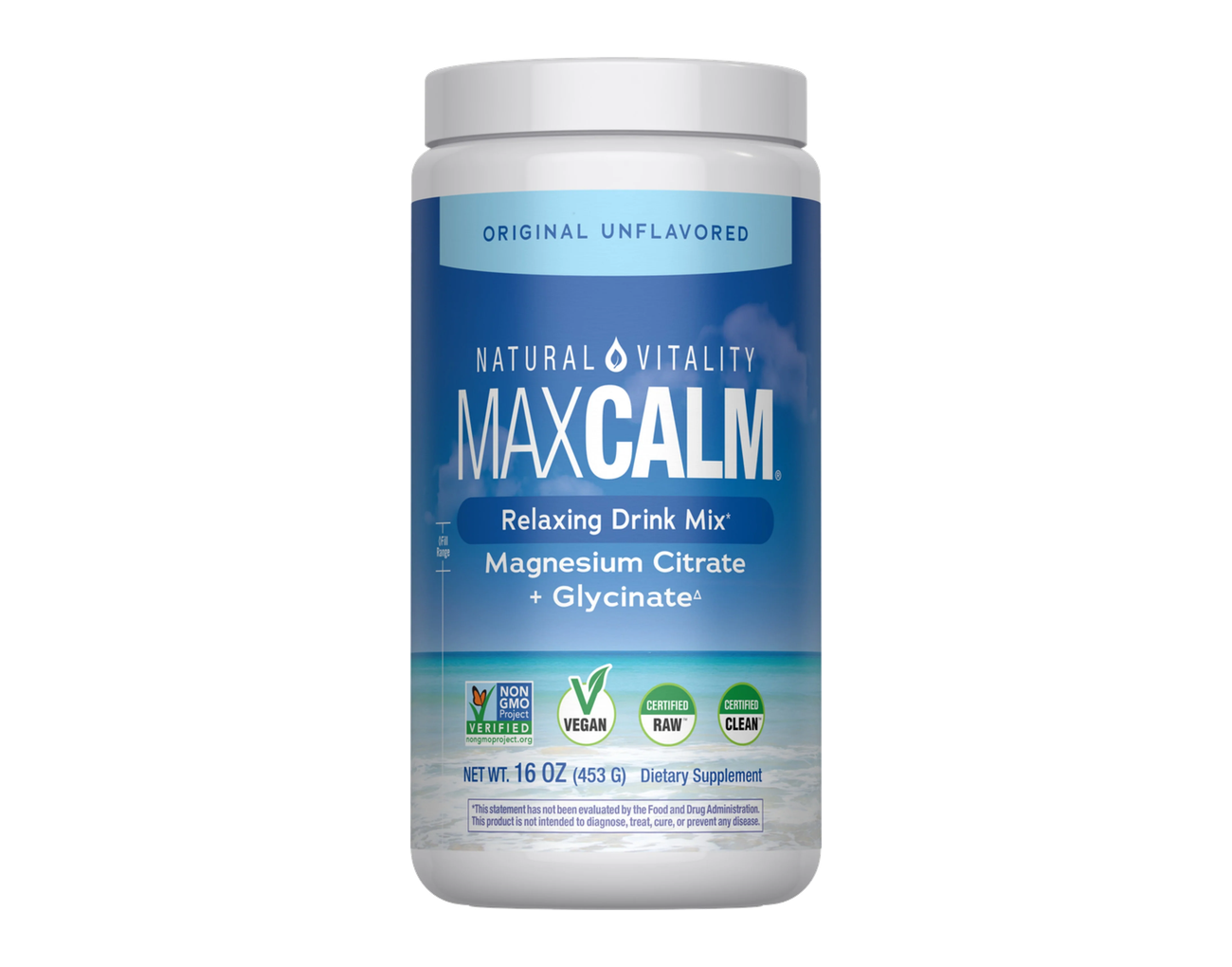 Natural Vitality CalmDepends on the PersonBest for: People who want an easy grocery-store magnesium drink.Best mass-market option — accessible, but citrate's possible laxative effect may not suit everyone.Our full reviewPrices change often; use the retailer link for the current price.
 -
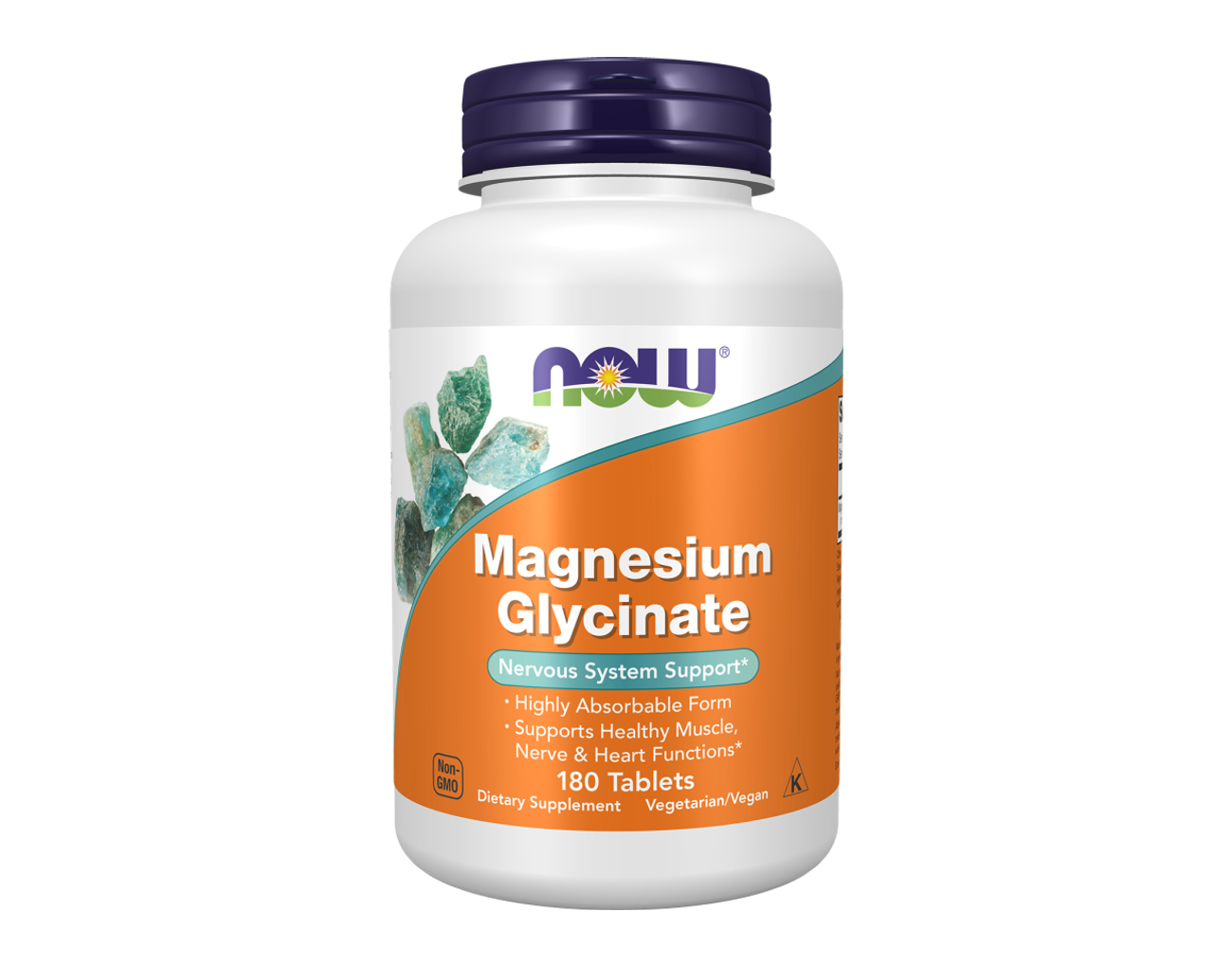 NOW Magnesium GlycinateStrong BuyBest for: Shoppers who want a clearly labeled bisglycinate tablet from a familiar brand and a value-oriented seller.Best value for shoppers who want a plain magnesium bisglycinate tablet with a clear elemental amount.Our full review
$19.98without codeList $31.99$15.99withcode AFF20You save$3.99 (20% off)with our code· $16 below listPrices change often; use the retailer link for the current price. -
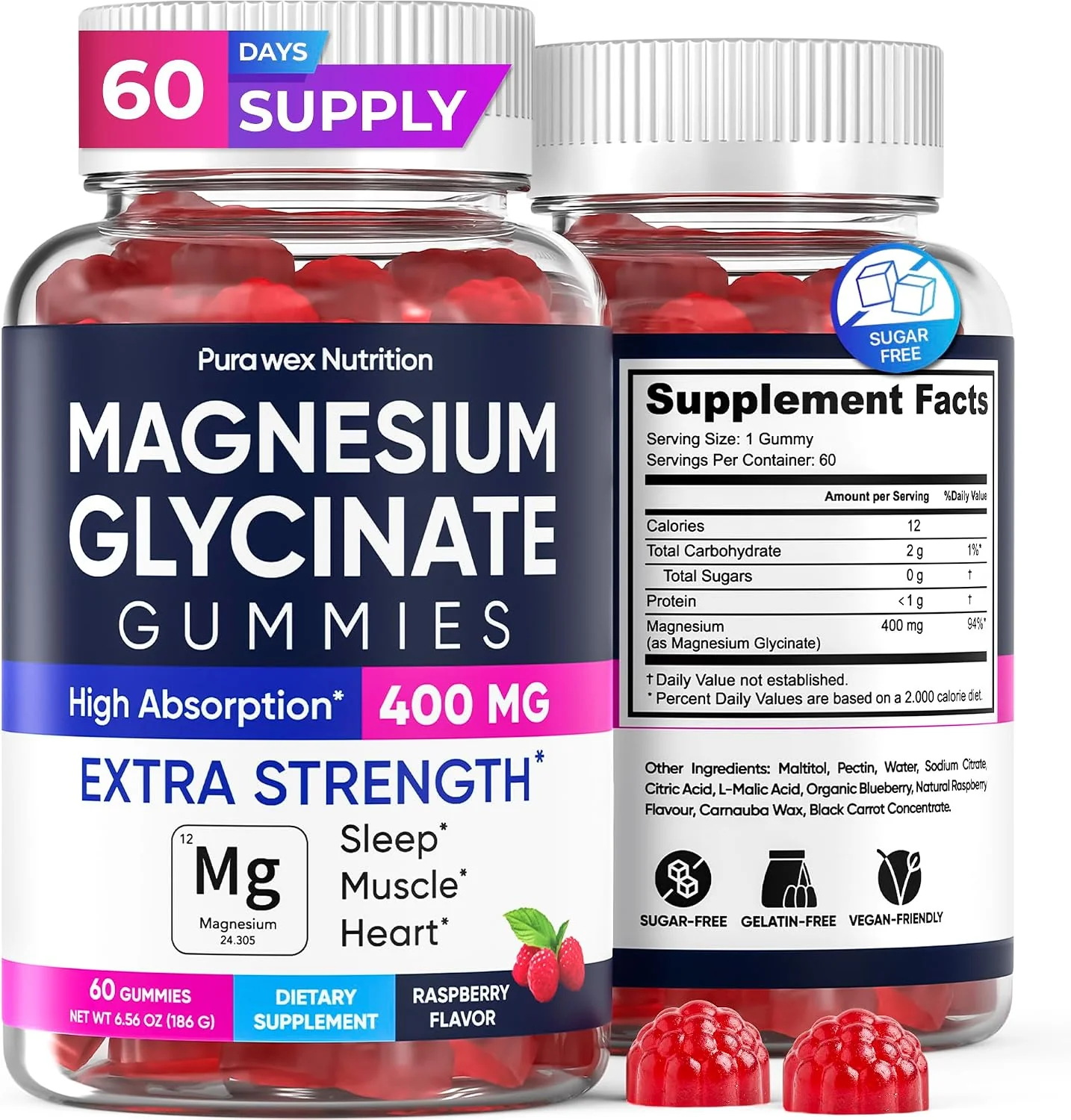 Pura Wex Magnesium Glycinate GummiesPopular High-Dose GummyBest for: Shoppers who prefer a gummy format and have checked the high magnesium amount against their own needs with a healthcare professional.A popular gummy format, but its current Supplement Facts image lists 400 mg of magnesium per gummy—above the NIH adult upper limit for supplemental magnesium. Treat it as a high-dose product, not a default sleep pick.Prices change often; use the retailer link for the current price.
 -
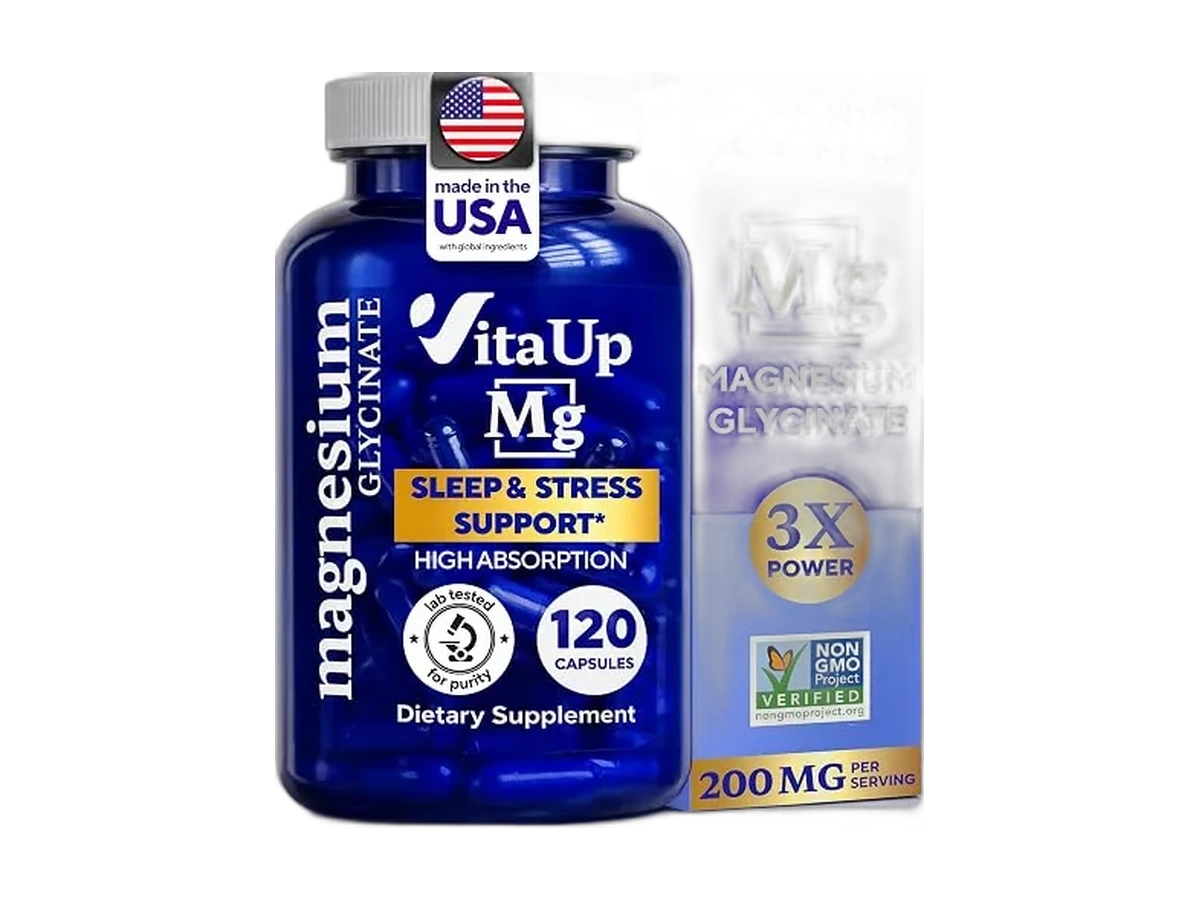 VitaUp Magnesium Glycinate 200mgBest for: Buyers comparing capsule prices who will check the current label for elemental magnesium per serving.A budget capsule to compare; use its current Supplement Facts panel rather than the front-label figure to judge elemental magnesium.Prices change often; use the retailer link for the current price.
 -
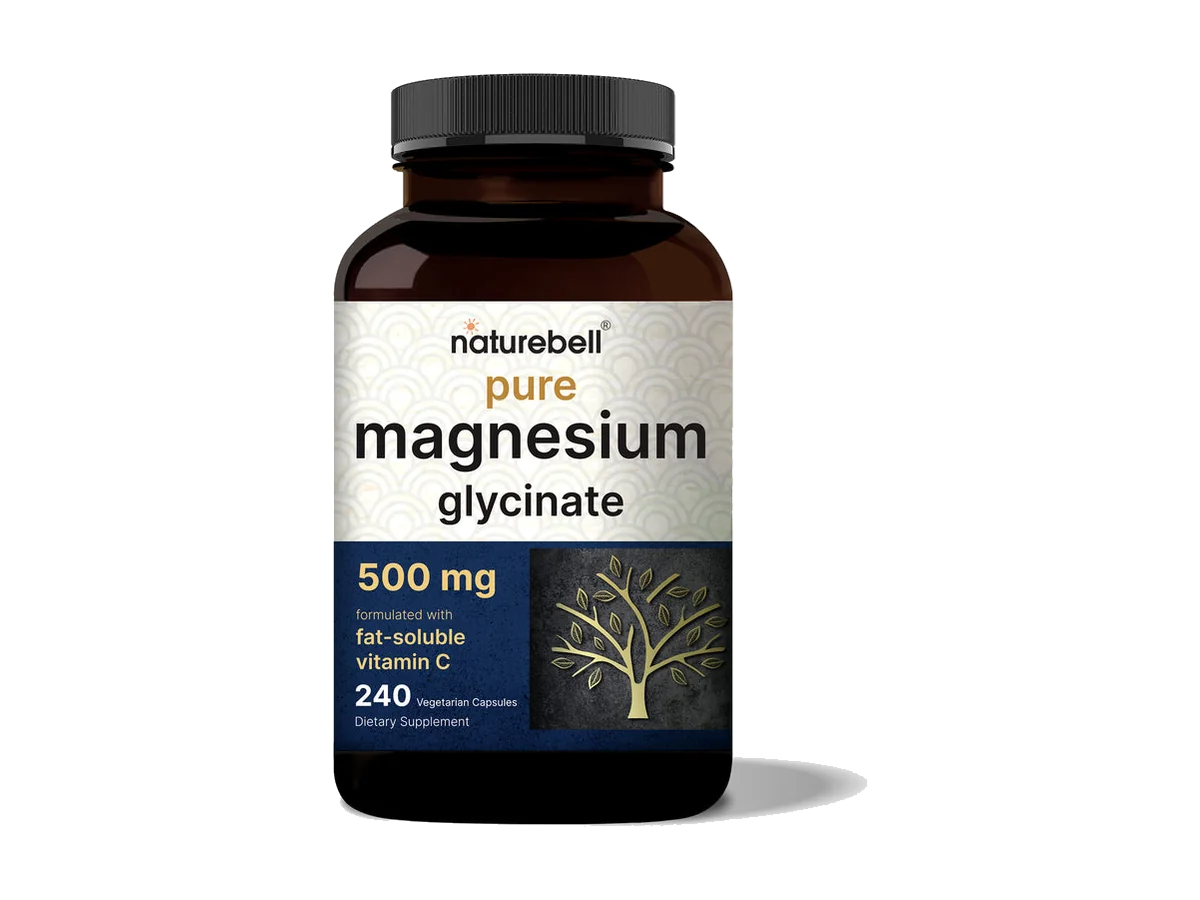 NatureBell Pure Magnesium Glycinate 500mg, 240 Veggie CapsulesPopular, Label-First OptionBest for: Buyers comparing capsule formats who want to read the elemental amount before choosing a serving.A widely reviewed capsule, but its 500 mg headline is magnesium glycinate compound; the Supplement Facts image lists 90 mg elemental magnesium per capsule.Our full review$26.95Price snapshot: September 27, 2026Prices change often; use the retailer link for the current price.
 -
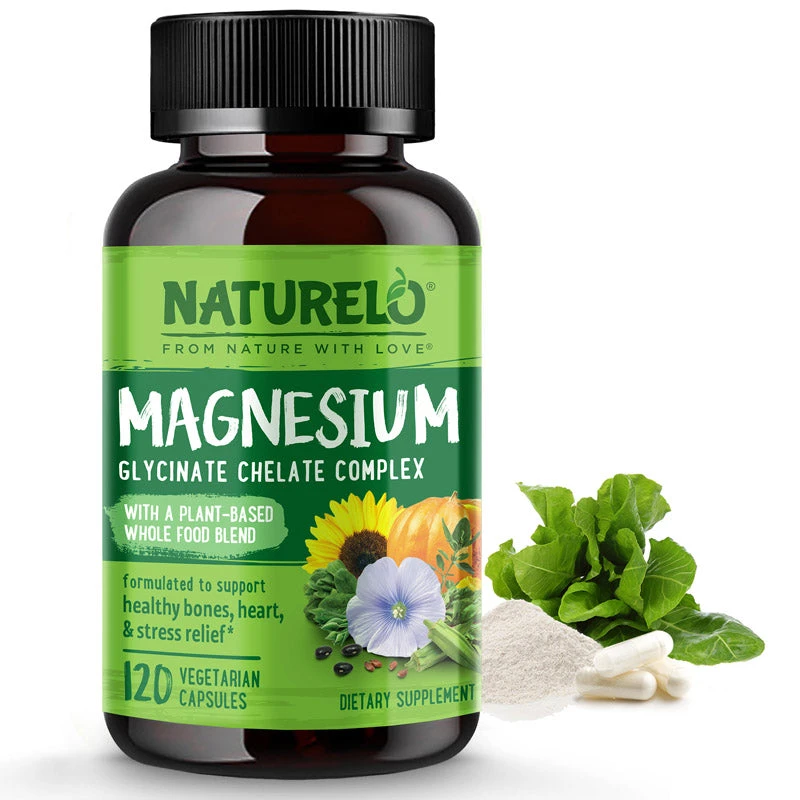 NATURELO Magnesium Glycinate Chelate Complex - 200 mg Magnesium, 120 CountOne-capsule, label-first optionBest for: Buyers comparing one-capsule magnesium products who are comfortable with a buffered magnesium bisglycinate-and-oxide blend.A one-capsule serving lists 200 mg magnesium and a small plant blend. The label also names magnesium oxide in the buffered complex, so this is not a pure-glycinate formula.$24.95Price snapshot: September 29, 2026Prices change often; use the retailer link for the current price.
 -
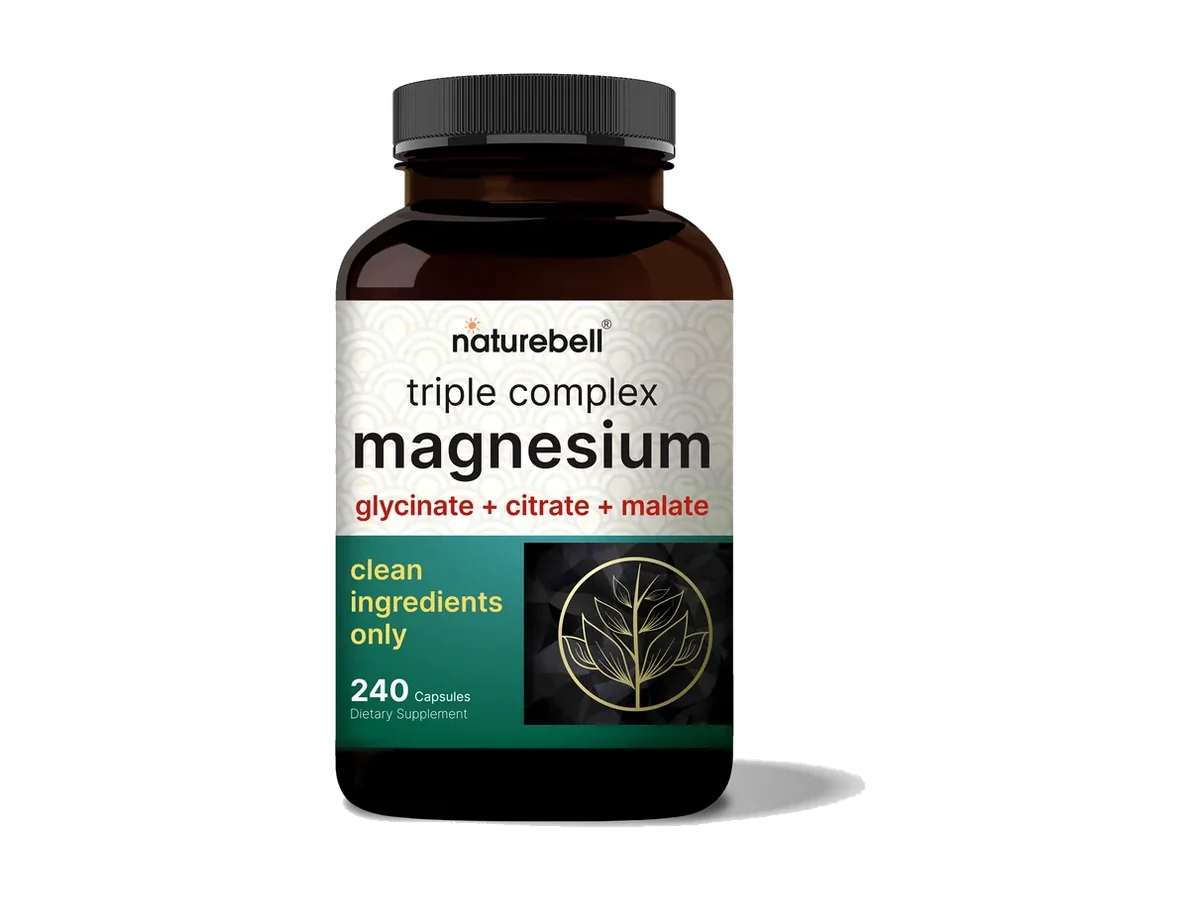 NatureBell Triple Magnesium Complex, Glycinate Citrate Malate, 240 CapsulesThree-form blend to compareBest for: Buyers specifically looking for a glycinate, citrate, and malate blend who have checked the elemental dose against their overall intake.NatureBell lists 300 mg of elemental magnesium per serving from a blend of glycinate, citrate, and malate. That is close to the adult 350 mg upper limit for magnesium from supplements and medications, so count other sources and check with a healthcare professional if you are unsure.Prices change often; use the retailer link for the current price.
How we'd choose
| Pick | Our call | Buy it for | The catch |
|---|---|---|---|
| Thorne Magnesium Bisglycinate | Definitely Well Worth It | People who prefer a magnesium powder and value product-specific quality documentation. | — |
| Pure Encapsulations Magnesium Glycinate | Strong Buy | People who prefer capsules and a hypoallergenic-leaning supplement brand. | — |
| Natural Vitality Calm | Depends on the Person | People who want an easy grocery-store magnesium drink. | — |
| NOW Magnesium Glycinate | Strong Buy | Shoppers who want a clearly labeled bisglycinate tablet from a familiar brand and a value-oriented seller. | — |
| Pura Wex Magnesium Glycinate Gummies | Popular High-Dose Gummy | Shoppers who prefer a gummy format and have checked the high magnesium amount against their own needs with a healthcare professional. | — |
| VitaUp Magnesium Glycinate 200mg | A budget capsule to compare; use its current Supplement Facts panel rather than the front-label figure to judge elemental magnesium. | Buyers comparing capsule prices who will check the current label for elemental magnesium per serving. | — |
| NatureBell Pure Magnesium Glycinate 500mg, 240 Veggie Capsules | Popular, Label-First Option | Buyers comparing capsule formats who want to read the elemental amount before choosing a serving. | — |
| NATURELO Magnesium Glycinate Chelate Complex - 200 mg Magnesium, 120 Count | One-capsule, label-first option | Buyers comparing one-capsule magnesium products who are comfortable with a buffered magnesium bisglycinate-and-oxide blend. | — |
| NatureBell Triple Magnesium Complex, Glycinate Citrate Malate, 240 Capsules | Three-form blend to compare | Buyers specifically looking for a glycinate, citrate, and malate blend who have checked the elemental dose against their overall intake. | — |
-
Thorne Magnesium Bisglycinate
- Our call
- Definitely Well Worth It
- Buy it for
- People who prefer a magnesium powder and value product-specific quality documentation.
- The catch
- —
-
Pure Encapsulations Magnesium Glycinate
- Our call
- Strong Buy
- Buy it for
- People who prefer capsules and a hypoallergenic-leaning supplement brand.
- The catch
- —
-
Natural Vitality Calm
- Our call
- Depends on the Person
- Buy it for
- People who want an easy grocery-store magnesium drink.
- The catch
- —
-
NOW Magnesium Glycinate
- Our call
- Strong Buy
- Buy it for
- Shoppers who want a clearly labeled bisglycinate tablet from a familiar brand and a value-oriented seller.
- The catch
- —
-
Pura Wex Magnesium Glycinate Gummies
- Our call
- Popular High-Dose Gummy
- Buy it for
- Shoppers who prefer a gummy format and have checked the high magnesium amount against their own needs with a healthcare professional.
- The catch
- —
-
VitaUp Magnesium Glycinate 200mg
- Our call
- A budget capsule to compare; use its current Supplement Facts panel rather than the front-label figure to judge elemental magnesium.
- Buy it for
- Buyers comparing capsule prices who will check the current label for elemental magnesium per serving.
- The catch
- —
-
NatureBell Pure Magnesium Glycinate 500mg, 240 Veggie Capsules
- Our call
- Popular, Label-First Option
- Buy it for
- Buyers comparing capsule formats who want to read the elemental amount before choosing a serving.
- The catch
- —
-
NATURELO Magnesium Glycinate Chelate Complex - 200 mg Magnesium, 120 Count
- Our call
- One-capsule, label-first option
- Buy it for
- Buyers comparing one-capsule magnesium products who are comfortable with a buffered magnesium bisglycinate-and-oxide blend.
- The catch
- —
-
NatureBell Triple Magnesium Complex, Glycinate Citrate Malate, 240 Capsules
- Our call
- Three-form blend to compare
- Buy it for
- Buyers specifically looking for a glycinate, citrate, and malate blend who have checked the elemental dose against their overall intake.
- The catch
- —
As an Amazon Associate, we may earn from qualifying purchases.
If the question is glycinate versus citrate, read magnesium glycinate vs citrate first. The form and elemental amount both matter when comparing labels, but neither a popular product nor a particular form guarantees a sleep or recovery benefit. Magnesium oxide is less bioavailable than some other forms, including citrate; calling it useless misses its legitimate uses, including as a laxative ingredient. Citrate can also have a laxative effect. This guide focuses mostly on glycinate products, with citrate included as a comparison.
For the rest of the basic recovery stack, see the creatine beginner guide and our best recovery tools under $100.
Quick Picks
- Best overall: Thorne Magnesium Bisglycinate (powder)
- Best capsule form: Pure Encapsulations Magnesium Glycinate
- Best mass-market: Natural Vitality Calm
- Best budget: NOW Magnesium Glycinate — code AFF20 on the verified HerbsPro listing; see the HerbsPro promo code page
- Popular capsule to label-check: NatureBell Pure Magnesium Glycinate — 90 mg elemental magnesium per capsule, according to the brand’s Supplement Facts image
- Buffered capsule to compare: NATURELO Magnesium Glycinate Chelate Complex — one capsule lists 200 mg magnesium; its label names both magnesium oxide and magnesium bisglycinate
- Three-form blend to compare: NatureBell Triple Magnesium Complex — the brand lists 300 mg elemental magnesium per serving, close to the adult upper limit from supplements and medications
What to Look For in a magnesium supplement
Form matters, but it is not a sleep guarantee. Glycinate and bisglycinate describe magnesium bound with glycine. The NIH Office of Dietary Supplements notes that absorption varies across magnesium forms; it does not identify one form as a proven sleep solution. Citrate may suit shoppers who are comfortable with its laxative effect. Compare the product’s actual Supplement Facts panel and the reason you are considering a supplement.
Elemental magnesium dose. This is the part that confuses everyone. A “1,000 mg” magnesium glycinate capsule isn’t 1,000 mg of magnesium — it’s the total weight of the chelated compound. The actual elemental magnesium might be 100–200 mg. Read the label carefully.
Daily reference, not a personal dose. The adult RDA is 310–420 mg of magnesium per day from all sources, depending on age and sex. The adult upper limit of 350 mg per day applies to magnesium from supplements and medications, not food. Both refer to elemental magnesium. These population-level figures are not a recommended supplement dose; ask a clinician about your own needs, especially if you have kidney problems or take medication. NIH Office of Dietary Supplements
Third-party testing. Supplements aren’t strictly regulated for content accuracy. NSF or USP certifications, or independent lab testing disclosure, help verify what’s on the label is in the bottle.
Avoid blends marketed as “sleep formulas” with extras. Some products combine magnesium with melatonin, valerian, ashwagandha, etc. For most people, getting clean magnesium in isolation is a better starting point — you can add things later, you can’t subtract them.
1. Thorne Magnesium Bisglycinate — Best overall
Best for: Buyers who want the cleanest, most-trusted clinical-grade magnesium.
Why it stands out: Thorne sells this bisglycinate as a powder that mixes into water. Whether its premium is worthwhile depends on the current elemental-magnesium amount, product-specific testing documentation, and whether you will use a powder consistently.
Pros
- High-quality bisglycinate form
- Powder mixes easily into water
- Made by a clinically-respected brand
- Clean ingredient list
Cons
- Higher price per serving than capsule competitors
- Mild taste some find slightly metallic
- Powder format isn’t as travel-friendly as capsules
Editorial take: Definitely Well Worth It
|---|---|---|---|---|---| | Excellent | Solid | Excellent | Strong | Excellent | Yes |
Who should buy it: Anyone who wants the most-vetted brand and doesn’t mind mixing a powder before bed.
Who should skip it: Travelers or anyone who prefers capsules — go with Pure Encapsulations.
2. Pure Encapsulations Magnesium Glycinate — Best capsule form
Best for: Capsule preference and travel use.
Why it stands out: Pure Encapsulations is another practitioner-trusted brand and offers the cleanest capsule version on the market. Hypoallergenic, free of common fillers, and the dose per capsule is reasonable so you can dial it in.
Pros
- Clean capsule form — easy to travel with
- Hypoallergenic, no common fillers
- Practitioner-respected brand
- Reasonable elemental dose per capsule
Cons
- Capsule format offers less flexibility for changing a serving than a powder whose label permits measuring partial servings
- Higher price than mass-market options
- Need to take multiple capsules to hit higher doses
Editorial take: Strong Buy
|---|---|---|---|---|---| | Strong | Solid | Excellent | Excellent | Strong | Yes |
Who should buy it: Anyone who prefers capsules over powders or travels frequently.
Who should skip it: Buyers who want the most flexible serving size — a powder may be easier to adjust when its label allows it.
3. Natural Vitality Calm — Best mass-market option
Best for: Casual buyers who want something at every Whole Foods.
Why it stands out: Calm is a familiar flavored magnesium drink mix. It’s worth being clear: the classic powder uses magnesium citrate, not glycinate, so it is a different form from most of this lineup. Some buyers may prefer the drink format; citrate can also have a laxative effect.
Pros
- Widely available
- Good flavors and easy to drink
- Easy-to-mix drink format
- Affordable
Cons
- Citrate, not glycinate — different use case
- Can have a laxative effect at higher doses
- Contains added flavorings and stevia
Editorial take: Depends on the Person
|---|---|---|---|---|---| | Solid | Strong | Fair | Excellent | Fair | Maybe |
Who should buy it: Casual users who want a tasty drinkable magnesium and don’t mind that it’s citrate.
Who should skip it: Anyone who wants a guaranteed sleep effect or would find citrate’s possible laxative effect unwelcome.
4. NOW Magnesium Glycinate — Best budget + HerbsPro AFF20
Best for: Buyers who want a clearly labeled bisglycinate tablet from a familiar brand at a value-oriented seller.
Why it stands out: NOW identifies Albion magnesium bisglycinate and lists 200 mg of elemental magnesium per two-tablet serving. HerbsPro currently lists the 180-tablet item at $19.98; our October 13 cart check showed $15.99 before tax and shipping after code AFF20. Compare the current total because price, code eligibility, and sale stacking can change.
Pros
- The label names the magnesium bisglycinate source and elemental amount
- A plain single-mineral formula that is easy to compare
- A familiar brand with broad retailer availability
- AFF20 was confirmed on this exact HerbsPro listing
Cons
- The serving uses two tablets rather than one capsule
- Taking the maximum label direction can put supplemental magnesium above the adult upper limit
- The public independent lab result covers one older retail sample, not every current bottle
Editorial take: Strong Buy
|---|---|---|---|---|---| | Strong | Strong | Strong | Strong | Strong | Yes |
Who should buy it: Budget-conscious shoppers who want a clearly labeled magnesium bisglycinate tablet and plan to compare their total supplemental intake with clinician guidance.
Who should skip it: Buyers who prefer a powder or capsule, require product-specific sport certification, or expect a guaranteed sleep effect.
Get the best price: Shop the 180-tablet listing through our tracked HerbsPro link, then enter AFF20. We confirmed the code on this item; check the HerbsPro promo code page for scope and confirm the final cart total.
5. Pura Wex Magnesium Glycinate Gummies — Best gummy format
The current product image’s Supplement Facts panel lists 400 mg of magnesium per one-gummy serving (94% Daily Value). That is above the NIH Office of Dietary Supplements’ 350 mg/day upper limit for magnesium from supplements and medications for adults; the limit does not include magnesium from food. ODS notes that high supplemental doses can cause diarrhea, nausea, and abdominal cramping. Check the current label and talk with a healthcare professional before using this high-dose product, especially if you take other magnesium-containing supplements or medications. This is a gummy-format option to compare, not our default sleep pick.
Amazon’s listing for ASIN B0FD3MSSYX showed 4.6/5 from 1,861 ratings, 2K+ bought in the past week, and a #34 Magnesium Mineral Supplements rank on September 27, 2026. Those are retailer popularity signals, not evidence of a health effect. The listing had no featured offer available at that check, so verify current seller, selected flavor, package, and availability before ordering.
Who should compare it: shoppers who prefer a gummy and have confirmed that the dose and current seller fit their needs.
Who should skip it: shoppers looking for a lower-dose option, or anyone who has not checked the 400 mg label amount with a clinician. NIH ODS lists different magnesium upper limits for children and adolescents, so do not infer a child dose from the adult product marketing. NIH Office of Dietary Supplements: Magnesium
6. VitaUp Magnesium Glycinate — Best value capsule
If Thorne or Pure Encapsulations’ pricing is the only thing holding you back from capsule glycinate, VitaUp is a budget option to compare. Do not infer elemental magnesium from the product name or front-label number; use the current Supplement Facts panel. It is a bottle to put next to the premium ones, not the default.
Who should buy it: budget-conscious buyers who specifically want capsule glycinate (not citrate, not oxide) without paying premium-brand pricing.
Who should skip it: anyone who wants the deepest third-party testing track record — that’s still Thorne or Pure Encapsulations.
7. NatureBell Pure Magnesium Glycinate — Popular capsule to label-check
NatureBell’s bottle headline says 500 mg of magnesium glycinate, but the brand’s Supplement Facts image lists 90 mg of elemental magnesium and 20 mg of vitamin C in a one-capsule serving, with 240 capsules per bottle. That distinction is the main reason to consider it: you get a one-capsule serving and a large bottle, but the front-label number is not 500 mg of elemental magnesium. Read the current panel before comparing it with higher-elemental-dose products. NatureBell product page · Supplement Facts image

NatureBell says it uses third-party lab testing, but the product page we checked does not identify the lab or link a batch report. Marketplace review volume can help explain why shoppers encounter the product; it does not verify the formula or predict an individual result.
Who should compare it: buyers who prefer a single capsule and want to assess a modest elemental amount against their own needs.
Who should skip it: buyers who expect the 500 mg headline to be elemental magnesium or need a named, publicly documented testing certification.
For the label-by-label breakdown, see our NatureBell Magnesium Glycinate review.
8. NATURELO Magnesium Glycinate Chelate Complex — one-capsule option
This is a research-based label comparison, not a hands-on test. The official Supplement Facts panel lists one capsule per serving, 120 servings per bottle, and 200 mg magnesium (48% Daily Value) from a 513 mg buffered complex of magnesium oxide and magnesium bisglycinate. It also includes a 30 mg blend of spinach, chard, okra, quinoa, black bean, pumpkin, sunflower seed, and flaxseed. The brand’s product page describes the same blend and confirms that the complex contains both magnesium glycinate and magnesium oxide; the Supplement Facts image identifies their amounts.

That makes this a useful comparison for shoppers who want a single capsule with a clearly stated 200 mg magnesium serving and a plant blend. The practical tradeoff is equally clear: people specifically seeking a pure glycinate formula should choose a different product. The official page listed the 120-capsule bottle at $24.95 when checked September 28, 2026, or about $0.21 per labeled serving before shipping or discounts. Confirm the selected 120-count bottle, current price, and seller before checkout.
Who should compare it: buyers who prefer one-capsule servings and accept a buffered formula that combines magnesium bisglycinate with magnesium oxide.
Who should skip it: buyers who want magnesium bisglycinate without oxide, need a different elemental amount, or want a product-specific public testing certification. No product in this guide is a proven routine insomnia treatment; the NIH’s magnesium fact sheet summarizes general intake limits and medication interactions.
Comparison
| Feature | Thorne | Pure Encapsulations | Natural Vitality Calm | NOW |
|---|---|---|---|---|
| Form | Bisglycinate powder | Glycinate capsule | Citrate powder | Bisglycinate tablet |
| Best use | Powder format | Capsule format | Drink mix | Value and label clarity |
| Price tier | Premium | Premium | Mid | Budget |
| Travel-friendly | No | Yes | No | Yes |
How We Compare
We compare the stated form, elemental-magnesium amount where available, serving format, and documented quality information. A large marketplace review count or an affiliate relationship is not evidence that a supplement works. We have not lab-tested every product in this guide, and none of these picks is a sleep treatment or a personal dosing recommendation.
Final verdict
For label transparency and format, Thorne Magnesium Bisglycinate is the premium powder pick, Pure Encapsulations is the capsule option for shoppers who value its excipient profile, and NOW Magnesium Glycinate is the budget comparison. Natural Vitality Calm is a citrate drink mix with a different tradeoff. No option is established as a routine insomnia treatment; compare elemental amounts and current product documentation.
FAQ
Why is the bisglycinate vs. glycinate distinction confusing? “Bisglycinate” technically means two glycine molecules bound to magnesium; “glycinate” sometimes refers to one. In practice, most products labeled either way are the same chelated form and the labels are used interchangeably. Don’t overthink this one.
Is magnesium safe to take every night? The right amount depends on diet, other supplements and medications, health conditions, and a clinician’s advice. The NIH sets an adult upper limit of 350 mg per day from supplements and medications; this is separate from magnesium in food. High supplemental amounts can cause diarrhea, nausea, and cramping. People with kidney disease or who take medicines that may interact with magnesium should ask a clinician before using it. NIH Office of Dietary Supplements
Does magnesium actually help with sleep? It is not established as a routine insomnia treatment. A 2026 systematic review of randomized trials found inconsistent results and low to very low certainty of evidence; a product label cannot promise a sleep effect. See the systematic review and speak with a clinician about persistent sleep problems.
Can I get magnesium from food instead? Yes — leafy greens, nuts, seeds, beans, and whole grains are good sources. Many adults don’t hit the RDA from food alone, which is part of why supplementation is popular, but food-first is always the cleaner approach.
What’s the difference between glycinate, citrate, and threonate? No magnesium form is established as a routine insomnia treatment. Citrate can have a laxative effect; compare the elemental amount, current label, and your reason for considering a supplement. Threonate is a separate category with less established evidence.
-
Thorne Magnesium Bisglycinate
Definitely Well Worth It · People who prefer a magnesium powder and value product-specific quality documentation.
-
Pure Encapsulations Magnesium Glycinate
Strong Buy · People who prefer capsules and a hypoallergenic-leaning supplement brand.
-
Natural Vitality Calm
Depends on the Person · People who want an easy grocery-store magnesium drink.
-
NOW Magnesium Glycinate
Strong Buy · Shoppers who want a clearly labeled bisglycinate tablet from a familiar brand and a value-oriented seller.
$19.98without codeList $31.99$15.99withcode AFF20You save$3.99 (20% off)with our code· $16 below list -
Pura Wex Magnesium Glycinate Gummies
Popular High-Dose Gummy · Shoppers who prefer a gummy format and have checked the high magnesium amount against their own needs with a healthcare professional.
-
VitaUp Magnesium Glycinate 200mg
Buyers comparing capsule prices who will check the current label for elemental magnesium per serving.
-
NatureBell Pure Magnesium Glycinate 500mg, 240 Veggie Capsules
Popular, Label-First Option · Buyers comparing capsule formats who want to read the elemental amount before choosing a serving.
-
NATURELO Magnesium Glycinate Chelate Complex - 200 mg Magnesium, 120 Count
One-capsule, label-first option · Buyers comparing one-capsule magnesium products who are comfortable with a buffered magnesium bisglycinate-and-oxide blend.
-
NatureBell Triple Magnesium Complex, Glycinate Citrate Malate, 240 Capsules
Three-form blend to compare · Buyers specifically looking for a glycinate, citrate, and malate blend who have checked the elemental dose against their overall intake.
As an Amazon Associate, we may earn from qualifying purchases.
Frequently asked questions
What is The Best Magnesium for Sleep and Recovery (2026) about?
Which products are compared in this guide?
Does NatureBell Triple Magnesium Complex use more than one form?
What is the top pick right now?
Does AFF20 work on NOW Magnesium Glycinate at HerbsPro?
How does Well Worth It Lab choose products for best-picks guides?
Are the links affiliate links?
Affiliate disclosure
Some links on this page may be affiliate links — we may earn a commission if you buy through them, at no extra cost to you. We only recommend products we think are worth considering. Verdicts are not influenced by commissions.
Health disclaimer
This content is for informational purposes only and is not medical advice. Talk to a qualified professional before starting new supplements, treatments, or major health changes.