Pinemeadow PGX TS vs. PGX Offset Driver: which budget driver fits better?
Compare picks & prices ↓A our comparison of Pinemeadow's PGX TS and PGX Offset drivers, including the loft, head size, price, and fitting questions that matter before buying.
We may earn a commission from our links or codes.
Choose by use case
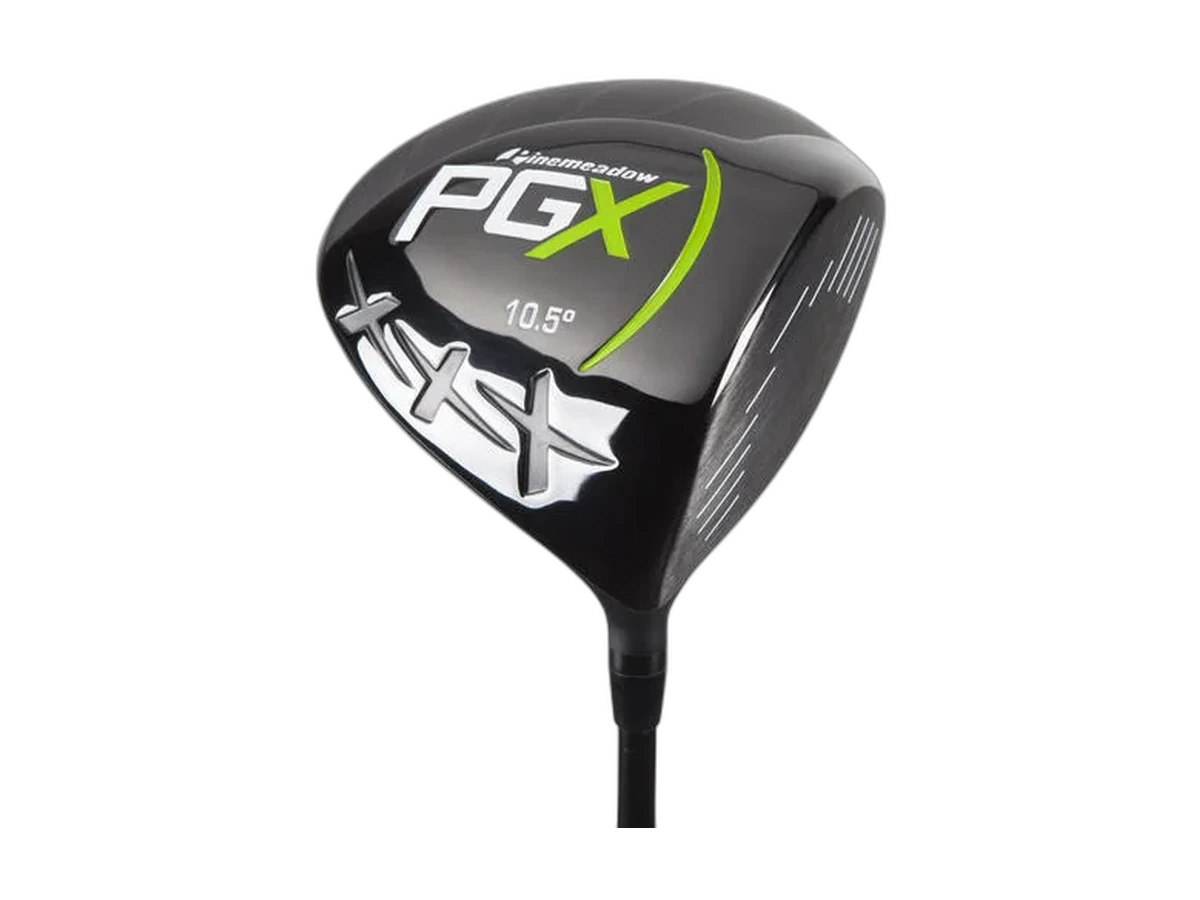
- Pinemeadow Golf PGX TS DriverBest for: Golfers who want a conventional full-size driver and a standard 10.5-degree starting point.The better general-purpose baseline when you want a normal 460cc driver and do not specifically need an offset head.Our full review$129.95 shown for the right-hand 10.5-degree configuration on the official page checked September 6, 2026Price snapshot: September 6, 2026Prices change often; use the retailer link for the current price.
-
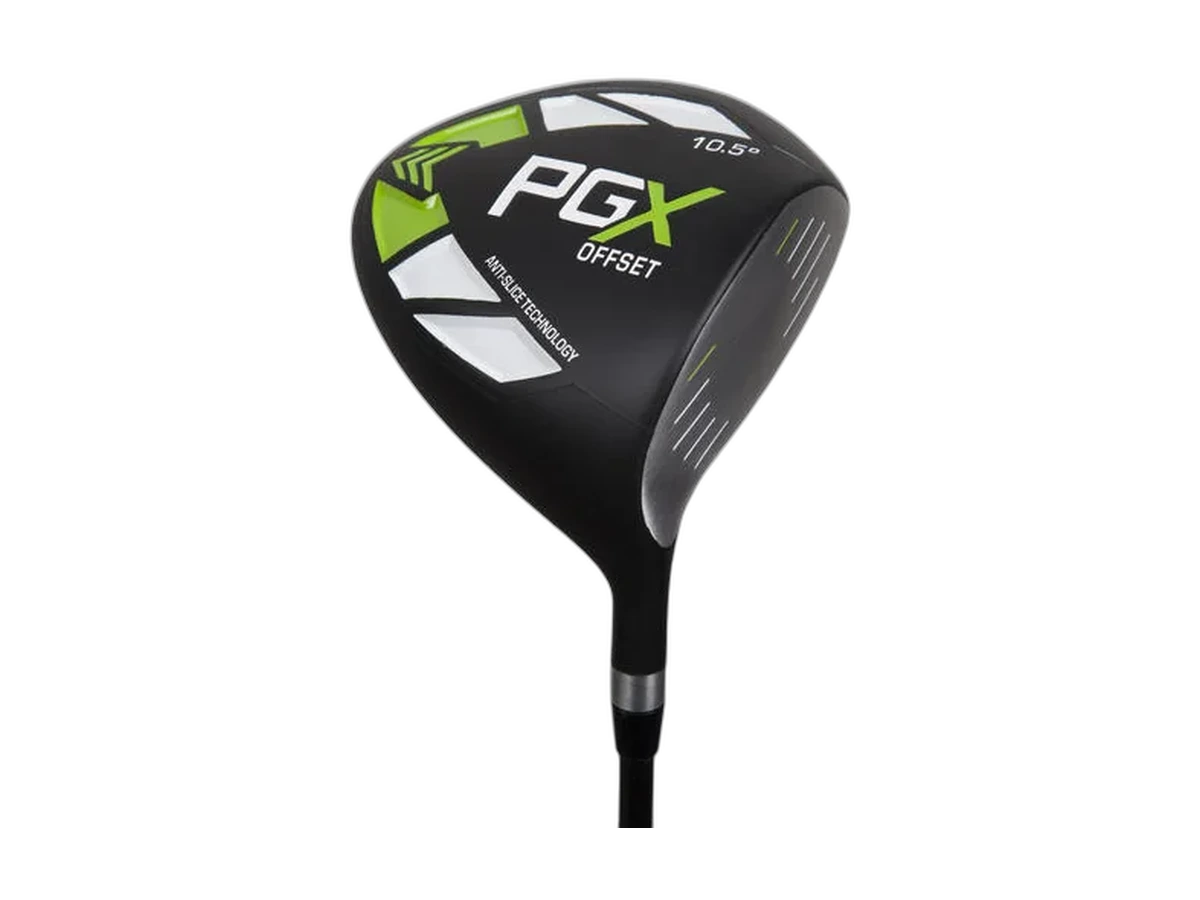 Pinemeadow Golf PGX Offset DriverBest for: Golfers who want to test an offset, 460cc driver concept at the lowest price in this comparison.The more targeted value option for a golfer who wants to investigate an offset look and a lower purchase price, without treating the design as a guaranteed slice fix.Our full review$89.95 shown for the PGX Offset Driver on the official page checked September 6, 2026Price snapshot: September 6, 2026Prices change often; use the retailer link for the current price.
How we'd choose
| Pick | Our call | Buy it for | The catch |
|---|---|---|---|
| Pinemeadow Golf PGX TS Driver | The better general-purpose baseline when you want a normal 460cc driver and do not specifically need an offset head. | Golfers who want a conventional full-size driver and a standard 10.5-degree starting point. | — |
| Pinemeadow Golf PGX Offset Driver | The more targeted value option for a golfer who wants to investigate an offset look and a lower purchase price, without treating the design as a guaranteed slice fix. | Golfers who want to test an offset, 460cc driver concept at the lowest price in this comparison. | — |
-
Pinemeadow Golf PGX TS Driver
- Our call
- The better general-purpose baseline when you want a normal 460cc driver and do not specifically need an offset head.
- Buy it for
- Golfers who want a conventional full-size driver and a standard 10.5-degree starting point.
- The catch
- —
-
Pinemeadow Golf PGX Offset Driver
- Our call
- The more targeted value option for a golfer who wants to investigate an offset look and a lower purchase price, without treating the design as a guaranteed slice fix.
- Buy it for
- Golfers who want to test an offset, 460cc driver concept at the lowest price in this comparison.
- The catch
- —
The PGX TS and PGX Offset Drivers are aimed at the same broad buyer: someone who wants a full-size driver without paying premium-brand prices. The useful difference is not simply the $40 catalog-price gap. It is the shape of the decision.
The PGX TS Driver is the conventional baseline: a 460cc titanium head, a 10.5-degree stock configuration, and a $129.95 price snapshot. The PGX Offset Driver is the more targeted option: a 460cc head with offset positioning, a $89.95 price snapshot, and a design brief built around helping the face square.
Choose the PGX TS if you want a normal-looking driver. Choose the offset only if you have a reason to want that shape, and keep the price near the budget end. Specs are from the PGX TS page and PGX Offset page checked September 6, 2026. We did not hit either club, so launch still depends on your swing.
Quick answer
- Choose the PGX TS first if you want a normal-looking, general-purpose 460cc driver and do not have a specific reason to choose offset.
- Choose the PGX Offset first if you want to investigate an offset head and keep the purchase closer to $90.
- Choose neither on headline claims alone if you need independent data, custom fitting, or a guaranteed change to your ball flight.
The PGX TS review covers the general-purpose fit questions in more detail: read the PGX TS Driver review.
PGX TS vs. PGX Offset at a glance
| Question | PGX TS Driver | PGX Offset Driver |
|---|---|---|
| Catalog price checked | $129.95 | $89.95 |
| Head size | 460cc | 460cc |
| Listed stock loft | 10.5° | 10.5° |
| Listed head weight | 197g | 200g |
| Listed lie | 59° | 58° |
| Main design direction | Conventional full-size driver | Offset, anti-slice-oriented design position |
| Best starting question | Do I want a straightforward budget driver? | Do I specifically want to compare an offset look and lower price? |
These are product-page specifications and positioning, not independent performance results. A 1-degree lie difference or a few grams of head weight does not predict what every golfer will see in launch, carry, or dispersion.
PGX TS: the general-purpose baseline
Pinemeadow describes the PGX TS as a 460cc titanium driver with a 10.5-degree loft, a 197-gram head weight, a 59-degree lie, and a Pinemeadow Limited graphite shaft. The page also lists a headcover and a selector for flex and length changes.
That makes the TS easier to understand as a starting point. A golfer who wants a familiar driver shape can begin with the normal questions: Is the loft right? Does the shaft flex suit the swing? Is the chosen length manageable? Does the club fit the gap between the current driver and fairway wood?
The TS is the better general-purpose comparison when the golfer does not want the club’s shape to be the main intervention. It is also the better fit for a buyer who simply wants to try a lower-cost driver before spending on a fitting or premium platform.
The tradeoff is the extra price and the lack of independent performance data. The product page tells us what the club is, not whether it will add distance or reduce a miss for a particular player.
PGX Offset: the more targeted option
The PGX Offset Driver uses the same broad 460cc category and a 10.5-degree listed loft, but the official page emphasizes offset and an anti-slice design direction. It lists a 200-gram head, a 58-degree lie, a graphite shaft, a headcover, and the same general flex and length customization approach.
Offset can be a useful fitting direction for a golfer who consistently leaves the face open, but it is not a guaranteed slice fix. A slice is a delivery problem involving face-to-path, strike, loft, shaft, and setup. An offset head may change how the club looks and how the face returns, yet the golfer still needs a build that matches their swing.
The lower $89.95 price makes the PGX Offset easier to treat as an experiment. That can be an advantage, but it can also encourage a buyer to make a purchase based only on the phrase “anti-slice.” The practical move is to compare the current driver, identify the actual miss, and decide whether offset is a sensible test.
Which one is better for beginners?
For a beginner who has not developed a consistent miss, the PGX TS is the cleaner baseline. It does not bake a directional correction into the purchase, so the golfer can learn what their swing and setup are doing before choosing a more targeted head.
For a beginner who already produces a repeatable right miss and has tried basic setup changes, the PGX Offset is worth comparing. It is cheaper and gives the buyer a clear design question: does the offset appearance and face-positioning concept make the club easier to return square?
Neither should be described as a guaranteed beginner solution. A lesson, basic fitting, or even a short session with a launch monitor can reveal whether the problem is contact, path, face angle, loft, or shaft flex. That information is more valuable than choosing a driver because its marketing label sounds corrective.
Fit and buying checklist
Before buying either driver, verify:
- Right- or left-handed availability for the exact configuration.
- Loft, flex, shaft, length, and grip selection.
- Whether the offset look is comfortable at address.
- Whether the club fills a real distance or confidence gap in the bag.
- Shipping, warranty, returns, and any customization terms.
The $40 difference is not the whole value story. A driver that fits the swing and produces a playable launch is worth more than a cheaper club that creates another problem. At the same time, a golfer who is still learning may prefer to start with the lower-risk price point and save the larger fitting budget for later.
Final verdict
The PGX TS is the better all-purpose starting point; the PGX Offset is the better targeted experiment for a golfer who specifically wants to test offset at a lower price. The TS gives you a conventional baseline. The Offset gives you a clear design direction. Neither one replaces a fit check or independent testing.
Prices and configurations can change, so verify the live pages before ordering. Well Worth It Lab may earn commissions from the tracked links above, at no additional cost to the buyer.
-
Pinemeadow Golf PGX TS Driver
Golfers who want a conventional full-size driver and a standard 10.5-degree starting point.
-
Pinemeadow Golf PGX Offset Driver
Golfers who want to test an offset, 460cc driver concept at the lowest price in this comparison.
Frequently asked questions
Which Pinemeadow driver should I buy, PGX TS or PGX Offset?
Is the PGX Offset Driver a fix for a slice?
Is the PGX TS Driver worth the extra money?
What should you still check before you buy?
Affiliate disclosure
Some links on this page may be affiliate links — we may earn a commission if you buy through them, at no extra cost to you. We only recommend products we think are worth considering. Verdicts are not influenced by commissions.