Multi-Ingredient Sleep Supplements: What's Actually in the Blend
Compare picks & prices ↓All-in-one sleep blends bundle melatonin with magnesium, herbs, or amino acids into one pill. Here's what's actually in a typical formula, and an honest look at one popular option.
Choose by use case
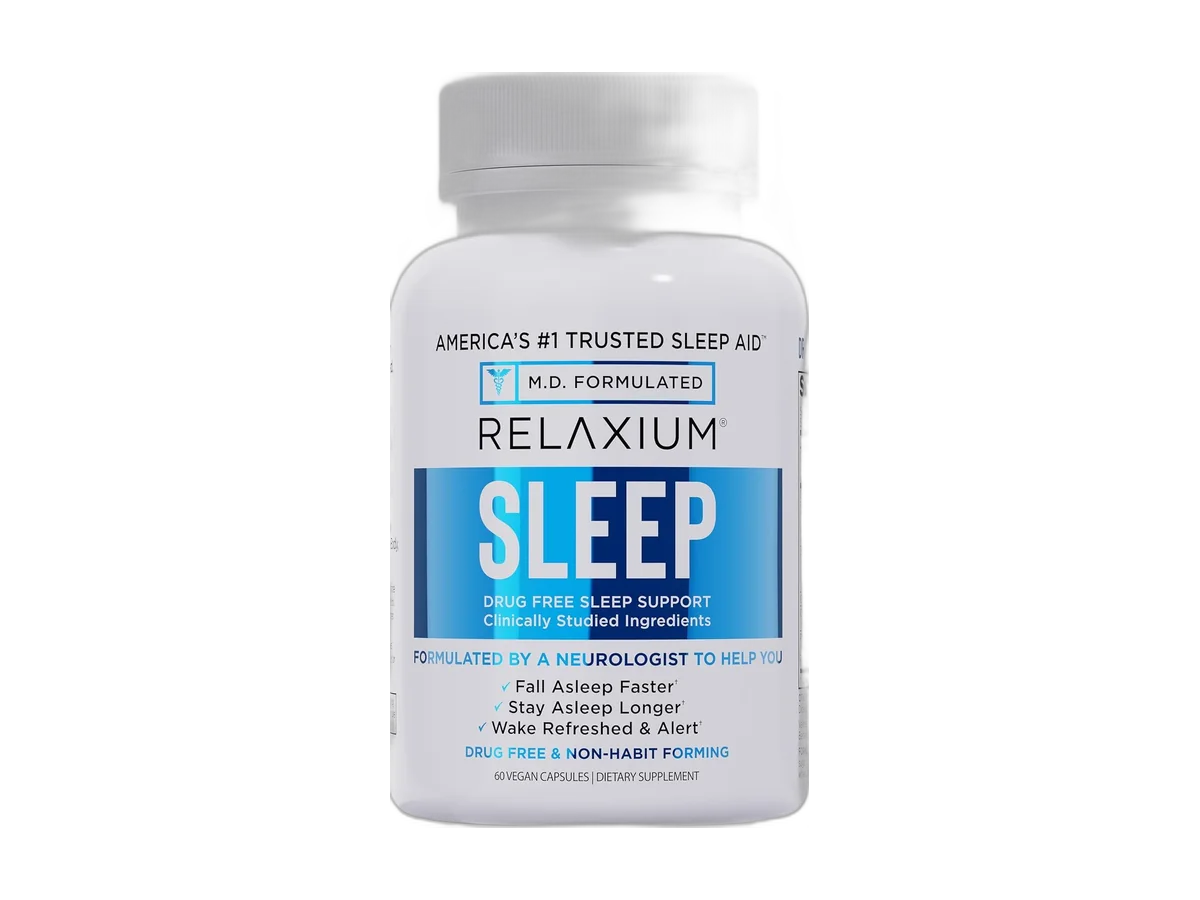
- Relaxium Sleep AidBest for: People who want a single all-in-one pill rather than assembling their own magnesium-plus-melatonin stack.A category example of an all-in-one sleep blend, not the pick we would start with. Owner feedback is weaker than the plain magnesium glycinate options in our other guide.Prices change often; use the retailer link for the current price.
All-in-one sleep blends solve a real convenience problem: instead of buying melatonin and magnesium separately and figuring out your own dose and timing, you take one pill. The tradeoff is that you lose the ability to tell which ingredient is actually doing anything, or to adjust one without affecting the others.
What’s typically in the blend
Melatonin, usually 3–10mg — well above the 0.5–3mg doses used in most sleep-onset research, a common pattern across the category, not just this brand.
Magnesium glycinate, the same form we recommend on its own in our magnesium for sleep guide.
An herbal or amino-acid add-in — valerian root, ashwagandha, L-theanine, or a proprietary “calming” blend, depending on the brand.
The honest tradeoff
The convenience is real. So is the loss of control: if the herbal component doesn’t agree with you, or the melatonin dose is higher than you want, you can’t isolate that in a combined pill the way you can by taking magnesium and melatonin separately.
Relaxium Sleep Aid is a useful example of the category precisely because its public review data tells a mixed story: a large volume of purchases (28,000+ ratings on the listing we checked) alongside an aggregate rating (3.7 stars) that’s noticeably lower than the single-ingredient magnesium options in our other guide, which sit closer to 4.5+. That gap is worth sitting with rather than averaging away — it suggests a real split between people the blend works well for and people it doesn’t, which is a more common pattern for multi-ingredient formulas than for a single isolated compound.
What to actually check before buying a blend
The melatonin dose. If it’s above 5–10mg, know that’s well above what most sleep-onset research actually used — more isn’t automatically better, and higher doses are more associated with next-day grogginess.
What’s in the “proprietary blend,” if anything. If the label doesn’t disclose individual ingredient amounts, you can’t tell whether any one ingredient is at a dose that’s actually done anything in a study.
Whether you’ve reacted to any single ingredient before. If you know melatonin gives you vivid dreams, or ashwagandha upsets your stomach, a blend makes that harder to isolate and back out of.
What I’d do instead, if starting from zero
Start with plain magnesium glycinate on its own — see our magnesium guide for specific picks. Add melatonin separately only if sleep-onset timing (not just general relaxation) is the specific problem, and start at 0.5–3mg rather than the 5–10mg most blends default to.
Final answer
A blend like Relaxium Sleep Aid is a real, popular product in this category, and its own review data is genuinely mixed — worth reading the negative reviews before buying, not just the star average. If you want more control over dose and ingredients, start with plain magnesium glycinate and add pieces individually instead.
-
Relaxium Sleep Aid
People who want a single all-in-one pill rather than assembling their own magnesium-plus-melatonin stack.
Frequently asked questions
What's usually in a multi-ingredient sleep blend?
Is a blend better than taking magnesium alone?
Why does this article exist separately from your magnesium guide?
Is a 3.7-star aggregate rating a red flag?
What should you still check before you buy?
Affiliate disclosure
Some links on this page may be affiliate links — we may earn a commission if you buy through them, at no extra cost to you. We only recommend products we think are worth considering. Verdicts are not influenced by commissions.
Health disclaimer
This content is for informational purposes only and is not medical advice. Talk to a qualified professional before starting new supplements, treatments, or major health changes.