Beam Creatine Gummies review: depends on the person
We may earn a commission if you buy through our links or codes.
Best gummy alternative — convenient, but not the value pick.
Our verdict
Best gummy alternative — convenient, but not the value pick.
As an Amazon Associate, we may earn from qualifying purchases.
Why we landed on Depends on the Person
Best gummy alternative — convenient, but not the value pick.
Who we'd buy it for People who already like Beam and want a gummy format.
Who we'd tell to skip it Anyone weighing it head-to-head against Create — they're functionally similar; pick on flavor.
The part we will not talk past Same dose-per-gummy math problem
Pros
- Comparable dose to Create
- Strong overall brand reputation in supplements
- Different flavor lineup than Create
- Convenient and travel-friendly
Cons
- Same dose-per-gummy math problem
- Same added sugar issue
- Premium gummy price
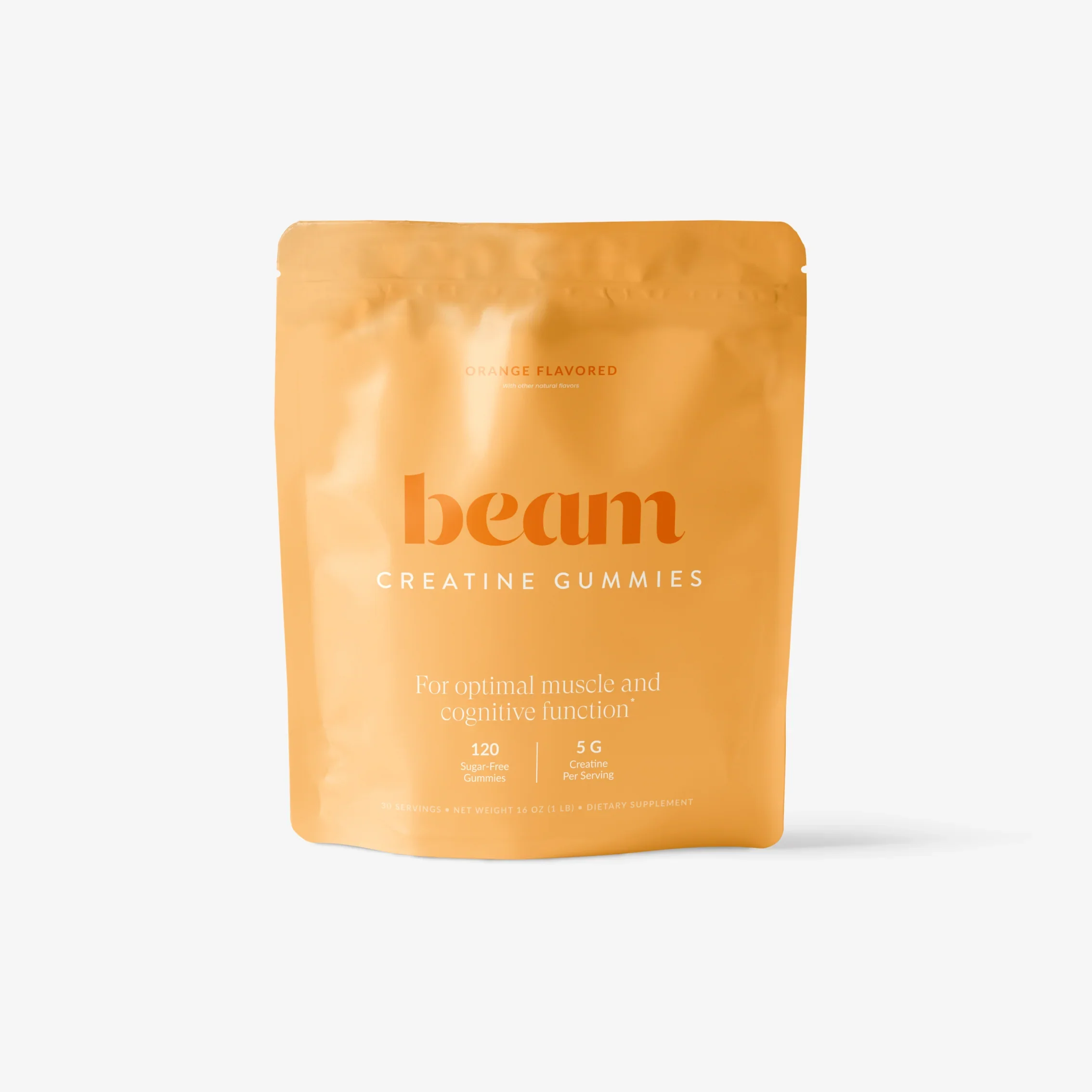
We’d buy Beam creatine gummies if you already like Beam and a gummy is the only way you will actually take creatine. We’d skip them if you are weighing them head-to-head against Create — they’re functionally similar; pick on flavor. The dose-per-gummy math, the added sugar, and the premium gummy price are the same problems as the rest of this format.
Beam’s creatine gummies compete in a format where product-specific potency evidence matters. The broader question is not whether any gummy can work; it is whether the current batch supports the dose on its label.
Quick answer
A convenient way to take creatine if powder is the thing stopping you. But independent testing has found widespread label-claim failures across creatine gummies, the underlying chemistry works against the format, and the cost per gram is several times that of powder. Treat batch testing as the deciding question.
Why creatine gummies are hard to make
Creatine monohydrate is stable as a dry powder. In aqueous systems, stability can depend on water activity, pH, temperature and storage time. A peer-reviewed study explored creatine degradation in controlled glycerol/buffer systems, not Beam gummies. Read the study abstract.
That gives a reason to look for current finished-product potency data rather than assume the same result for every product.
NOW’s 2024 marketplace screen reported label-claim gaps among the specific products it sampled. Those dated results do not test Beam or establish what every current gummy contains. They are a reason to check current product- and lot-specific information, not to generalize a single survey to the entire shelf.
This does not mean every gummy is empty. It means the label is a claim, and current finished-product testing is the most useful way to assess the serving you are buying.
What to demand before buying any creatine gummy
- Third-party batch testing with batch numbers that match the jar you are buying. A certificate for a batch made two years ago tells you very little about the one in your cart.
- NSF Certified for Sport or Informed-Sport, if available. Rare on gummies and the strongest signal when present.
- A stated dose you can compare. Most gummies land under the 5g used in the research, so check how many gummies constitute a real dose.
Apply those to Beam’s current product page before ordering. We are not able to verify a brand’s live certification status on your behalf, and it can change between batches.
The cost problem
This is the part that is not disputed by anyone. Gummies cost several times more per gram of creatine than powder.
Thorne’s NSF-certified micronized monohydrate runs about $0.49 for a full 5g serving. Almost no gummy in the category approaches that, and many require multiple gummies to reach a comparable dose, which compounds the gap.
The case for gummies anyway
It is a real case, and worth stating fairly: the best creatine is the one you actually take.
A tub of powder that sits unopened delivers zero. If you have genuinely tried powder more than once and consistently stopped, a gummy that you eat daily is better than a perfect supplement you avoid. Adherence is the whole argument for this format, and for some people it is decisive.
Who should buy it
Someone who has tried powder, did not stick with it, and wants creatine in a form they will actually use — and who has checked the current batch testing on the product page first.
Who should skip it
Anyone who will take powder. The cost difference is substantial, the dosing is verifiable, and powder is the form nearly all the research used. Also skip it if you cannot find current batch testing, because in this specific category that absence is a meaningful warning rather than a formality.
Final verdict
Depends on the person — and depends more on the batch documentation than on the brand. The convenience argument is legitimate and we are not dismissing it. But this is a category where the format itself fights the ingredient, and buyers should be more skeptical here than they would be with a powder.
Compare against Create in the same format, or step across to our best creatine monohydrate guide.
Who it's for
People who already like Beam and want a gummy format.
Who should skip it
Anyone weighing it head-to-head against Create — they're functionally similar; pick on flavor.
In this review
- Beam Creatine GummiesBest gummy alternative — convenient, but not the value pick.Prices change often; use the retailer link for the current price.
Beam Creatine Gummies
Depends on the Person
Best gummy alternative — convenient, but not the value pick.
As an Amazon Associate, we may earn from qualifying purchases.
Frequently asked questions
Do creatine gummies actually contain the creatine they claim?
Why do creatine gummies lose potency?
Are gummies worth the extra cost?
How many gummies equal a proper creatine dose?
What should I look for before buying any creatine gummy?
Affiliate disclosure
Some links on this page may be affiliate links — we may earn a commission if you buy through them, at no extra cost to you. We only recommend products we think are worth considering. Verdicts are not influenced by commissions.
Health disclaimer
This content is for informational purposes only and is not medical advice. Talk to a qualified professional before starting new supplements, treatments, or major health changes.