LifePro AllevaRed review: a wearable red-light belt
We may earn a commission if you buy through this link.
The LifePro AllevaRed pairs 660 nm red and 850 nm near-infrared light in a body-wrap format. Here is what the listing supports—and what still needs verification.
Our verdict
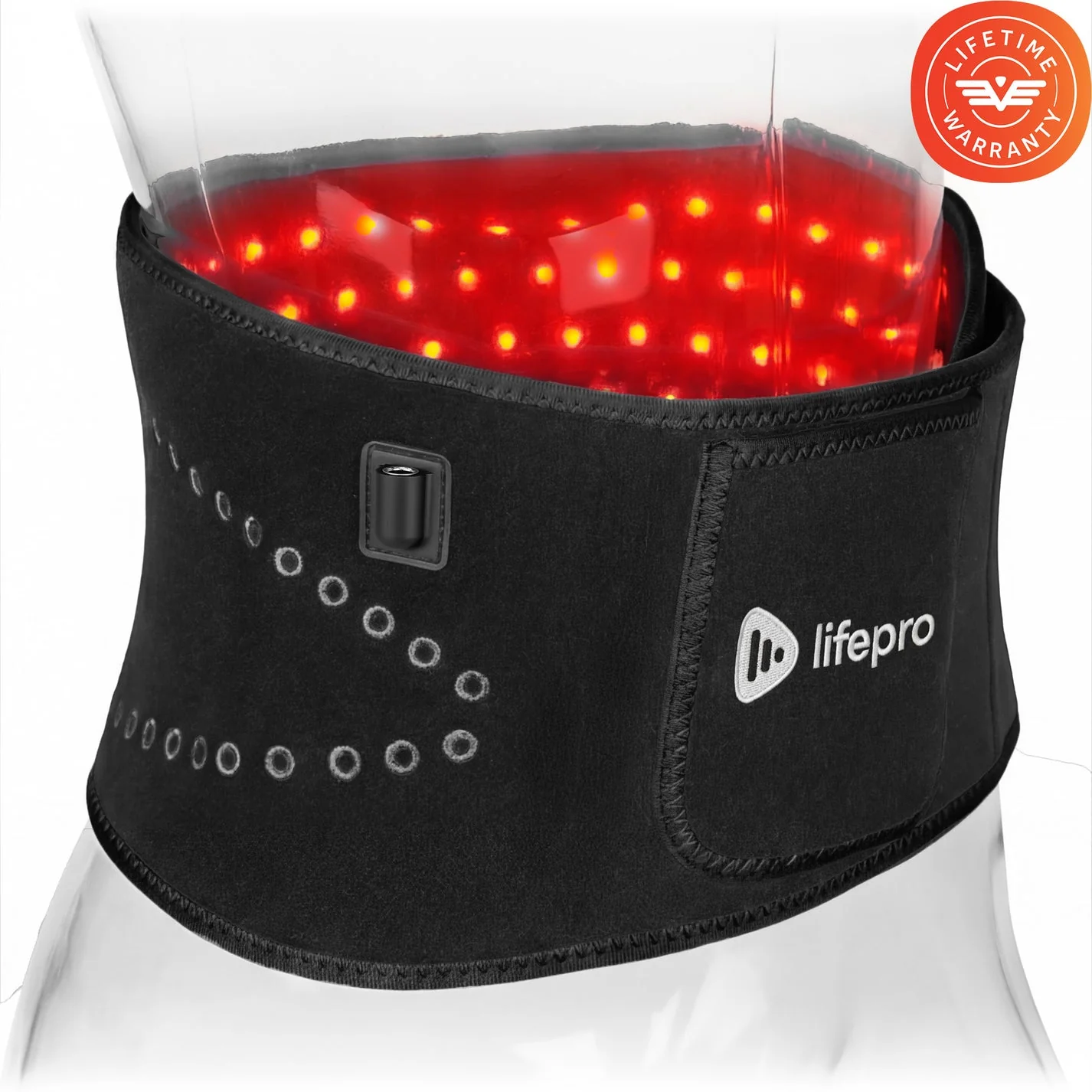
A compelling targeted-wrap format on paper: the AllevaRed combines 660 nm red and 850 nm near-infrared light in a wearable belt with 105 triple-chip LEDs. It is worth comparing if you want a focused body-area device and understand that the advertised treatment benefits are not results we have verified.
Why we landed on Good, But Not Essential
A compelling targeted-wrap format on paper: the AllevaRed combines 660 nm red and 850 nm near-infrared light in a wearable belt with 105 triple-chip LEDs. It is worth comparing if you want a focused body-area device and understand that the advertised treatment benefits are not results we have verified.
Who we'd buy it for Shoppers who want a wearable device for targeted red and near-infrared light sessions and are comfortable checking the seller's current offer and claims.
Who we'd tell to skip it You want broad-area coverage, independently measured device output, or proven treatment results for a specific condition before buying.
The part we will not talk past The brand's pain-relief and skin-related benefits are marketing claims; the listed wavelengths and LED count do not establish a personal treatment outcome.
Pros
- The wrap format is designed to stay on one body area without the stand and positioning routine of a panel.
- LifePro lists 105 triple-chip LEDs and 660 nm red plus 850 nm near-infrared modes.
- The manufacturer lists an extension strap, several body-placement examples, and a lifetime warranty on its product page.
Cons
- The brand's pain-relief and skin-related benefits are marketing claims; the listed wavelengths and LED count do not establish a personal treatment outcome.
- A belt concentrates coverage on one area at a time, so it is less flexible than a panel for wider exposure.
- We have not independently measured light output, comfort, fit, or long-term durability.
The LifePro AllevaRed has a useful, easy-to-understand strength: it is a wearable wrap for people who want to place a light device over one body area without arranging a freestanding panel. LifePro lists 105 triple-chip LEDs with red and near-infrared modes, making the product’s feature set straightforward to compare with other targeted devices.
This is a research review, not a hands-on test. We checked LifePro’s official product information and the exact Amazon listing shown in Levanta on September 28, 2026. We have not worn the belt, measured its light output, or verified its advertised treatment benefits. The product details below are manufacturer claims, not our own measurements.
Why the wearable format is appealing
A belt can make a targeted routine simpler. It wraps around an area instead of asking you to place a panel at a measured distance and hold that position. That hands-free setup is the AllevaRed’s clearest practical advantage on paper, especially for someone who wants to use a device on one area while sitting or resting.
LifePro’s product gallery shows the belt being positioned around the waist, shoulder, knee, and thigh. The manufacturer also lists a 49.6-inch length, a 7.08-inch height, a 2.64-pound weight, and an extension strap. Check the exact package and fit guidance before ordering; the gallery is not a substitute for trying the belt on your body.
What the specifications tell you
The official listing identifies 105 triple-chip LEDs and two wavelengths: 660 nm red light and 850 nm near-infrared light. It also describes pulsed-light modes and a remote with adjustable settings. These details help shoppers compare the device’s format and controls with a mask or panel.
They do not tell you the amount of light that reaches skin at a particular distance, whether the fit will be comfortable, or how much benefit a person will experience. LED count and wavelength are specifications, not a clinical outcome. LifePro’s own page uses claims about pain, recovery, and skin appearance; we treat those as the manufacturer’s marketing unless independent evidence demonstrates them for this exact product and use.
Belt, mask, or panel?
Choose the AllevaRed-style belt if your priority is a wearable wrap for a focused body area. A panel is the more adaptable choice when you want to position light over a larger zone or move it between areas, while a mask is designed for a face-focused routine. None of these formats is automatically more effective because it has more LEDs or covers more space.
Our red-light mask, panel, and wrap comparison explains the setup tradeoffs, safety details, and alternatives. The AllevaRed is a targeted option in that comparison, not a replacement for a broad-coverage panel.
Check the seller terms before buying
When we checked, the Levanta catalog showed the Amazon listing as in stock, while LifePro’s direct product page showed a different price and sold-out status for its listed color variants. We therefore do not treat either price or availability as fixed. Use the current retailer offer to confirm the seller, color, included accessories, delivery, and return conditions.
LifePro’s product page advertises a lifetime warranty and 30-day returns. Because the purchase link on this page goes to Amazon, check the current Amazon seller and confirm that the brand’s warranty and return terms apply to that specific purchase.
Who should consider it
Consider the AllevaRed if you want a wrap-style product for targeted placement, prefer a wearable format to setting up a panel, and are willing to judge the product by its fit, current seller terms, and realistic expectations. Its dual-wavelength specification and wearable design make it a clear product to compare in the category.
Skip it if you need broad body coverage, verified measurements for a specific treatment protocol, or independent evidence before spending on a light-therapy device. If you are looking for treatment for persistent pain or a skin condition, get qualified medical advice instead of relying on a consumer product page.
Final take
The AllevaRed is a compelling device to compare when you want a body-area wrap rather than a face mask or freestanding panel. Its 105 triple-chip LEDs, stated red and near-infrared wavelengths, and wearable design give shoppers useful specifications to weigh. The case for buying it is the focused format and convenient placement—not a promise that it will relieve a condition or deliver the same result for every user.
We have not tested it hands-on, and the benefit claims remain unverified here. Check the retailer’s current price, seller, and terms, and compare the belt with the other formats in our red-light device guide before deciding.
Health note: Follow the manufacturer’s instructions and eye-safety guidance. If you have a medical condition, take medication that affects light sensitivity, or are considering light therapy for a persistent symptom, ask a qualified healthcare professional first.
Sources: LifePro AllevaRed product page and the exact Amazon listing (ASIN B09CLM44TM) available through the product’s Levanta page.
Who it's for
Shoppers who want a wearable device for targeted red and near-infrared light sessions and are comfortable checking the seller's current offer and claims.
Who should skip it
You want broad-area coverage, independently measured device output, or proven treatment results for a specific condition before buying.
In this review
- LifePro AllevaRed Red Light Therapy BeltPrices change often; use the retailer link for the current price.
LifePro AllevaRed Red Light Therapy Belt
Good, But Not Essential
A compelling targeted-wrap format on paper: the AllevaRed combines 660 nm red and 850 nm near-infrared light in a wearable belt with 105 triple-chip LEDs. It is worth comparing if you want a focused body-area device and understand that the advertised treatment benefits are not results we have verified.
Frequently asked questions
What does the LifePro AllevaRed belt list as its light specifications?
Is a red-light belt better than a panel?
Does the AllevaRed belt prove it can relieve pain?
Has Well Worth It Lab tested the AllevaRed?
Affiliate disclosure
Some links on this page may be affiliate links — we may earn a commission if you buy through them, at no extra cost to you. We only recommend products we think are worth considering. Verdicts are not influenced by commissions.
Health disclaimer
This content is for informational purposes only and is not medical advice. Talk to a qualified professional before starting new supplements, treatments, or major health changes.