Red light therapy mask vs. panel vs. wrap: which format is better in 2026?
Compare picks & prices ↓Choose a mask for face-focused routines, a panel for wider adjustable coverage, or a wrap for targeted light over one body area.
We may earn a commission from our links or codes.
Promo code WWIL BESTQOOL: Discount amount not recorded BESTQOOL discount code details →
Promo code WWIL Kala Therapy: 15% off first purchase Kala Therapy discount code details →
Promo code WWIL Red Therapy Co: $100 off each order Red Therapy Co discount code details →
Choose by use case
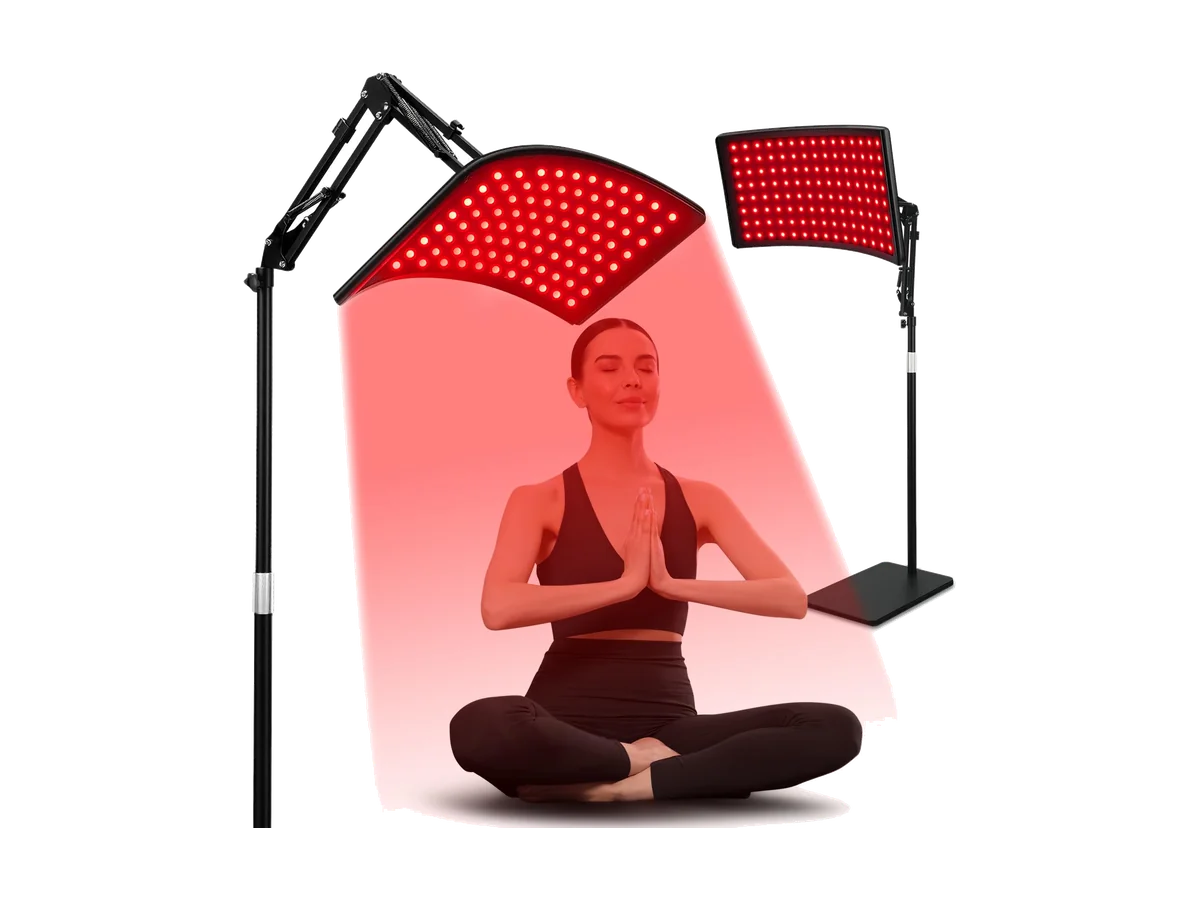
- Viconor Red Light Therapy Panel with StandBest for: Face, neck, or body coverage from a freestanding panel instead of a wearable mask.The panel example if you want light on more than your face. A mask is still the better buy if you will only treat your face.Check current Amazon offerPrices change often; use the retailer link for the current price.
-
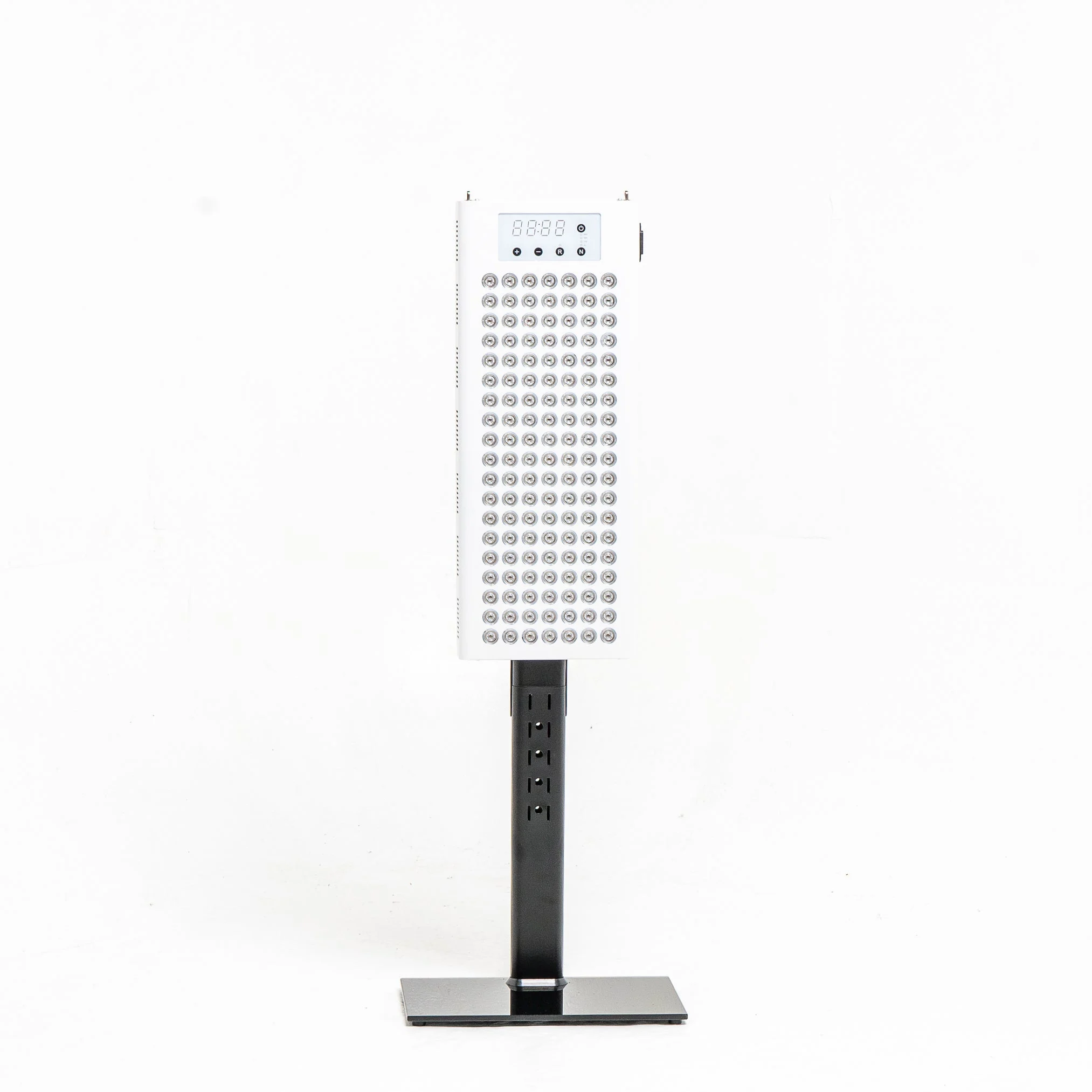 RedRush 400 PULSE Red-Light Therapy PanelBest for: Shoppers comparing a premium panel with selectable pulse modes and a larger listed treatment area.A configurable panel option if you want both 660 nm red and 850 nm near-infrared LEDs. The manufacturer lists a 24-by-42-inch treatment area, but its output figures have not been independently measured here; the included box list does not include a freestanding stand.Our full review$675 on the brand listing, checked 2026-10-10; confirm current pricePrice snapshot: October 10, 2026Use code WWIL WWIL is $100 off each order; stacking with other offers is not confirmed.Prices change often; use the retailer link for the current price.
 -
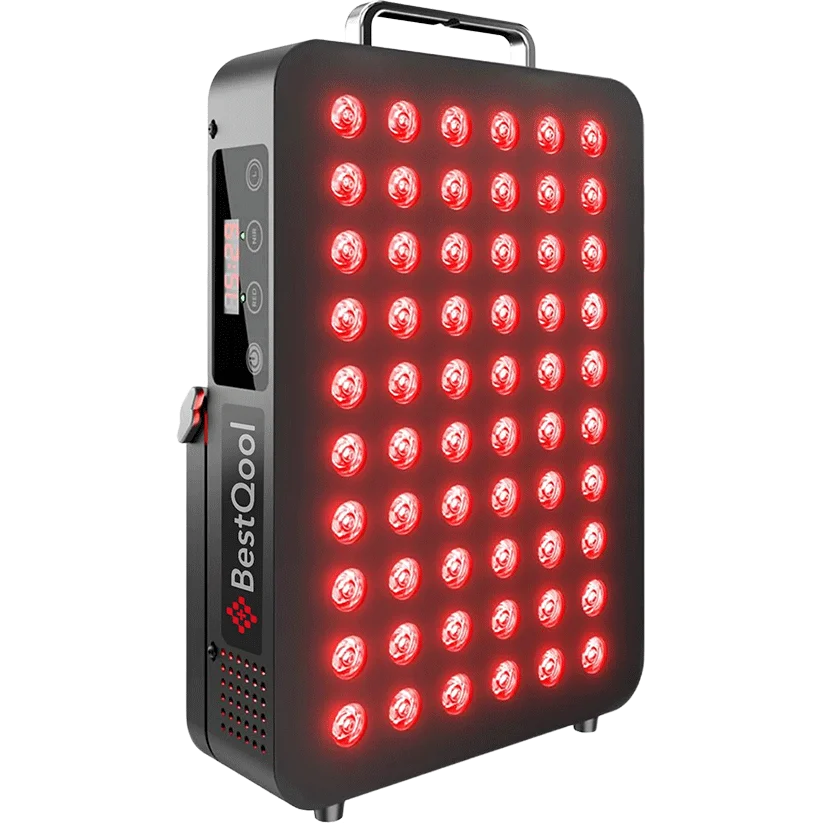 BESTQOOL BQ60 Red Light Therapy PanelBest for: A compact 660nm red / 850nm near-infrared panel for targeted use over one area at a time.A convenient entry-size panel with red-only, near-infrared-only, and combined modes plus a timer. Its 4.8/5 from 493 brand-hosted reviews signals buyer interest, while the small treatment face and non-expandable design make it a targeted-use choice. WWIL is listed, but the customer discount amount is not recorded.Our full reviewUse code WWIL WWIL is listed in the partner record; the customer discount amount is not recorded.Prices change often; use the retailer link for the current price.
 -
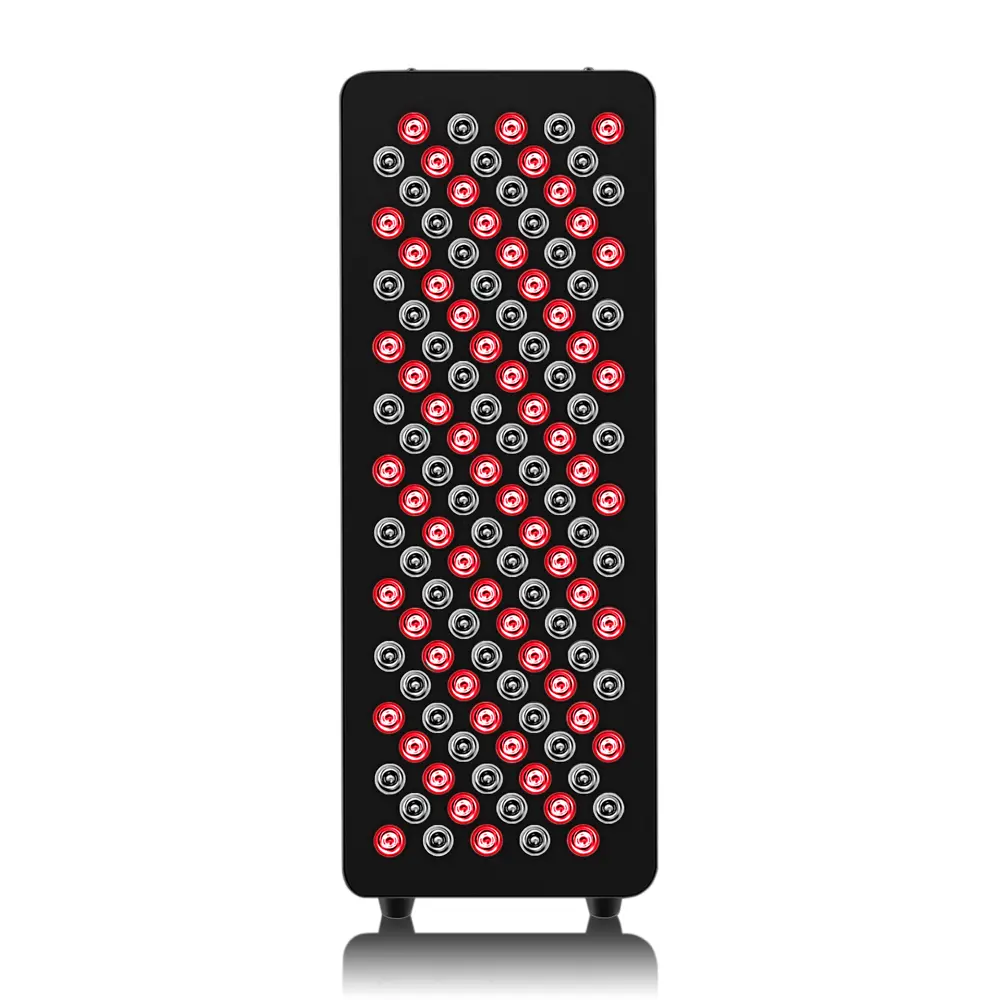 VELLGUS Pro Red Light Therapy PanelBest for: A compact five-wavelength panel when a buyer wants to choose a fixed hook, floor stand, or mobile stand.The VELLGUS Pro lists five wavelengths in a compact panel and offers three stand configurations. It remains a one-area-at-a-time device, and no customer code is recorded.Our full review$849 Door Hook; $949 Floor Stand; $1,119 Flex Mobile Stand, checked October 10, 2026Price snapshot: October 10, 2026Prices change often; use the retailer link for the current price.
 -
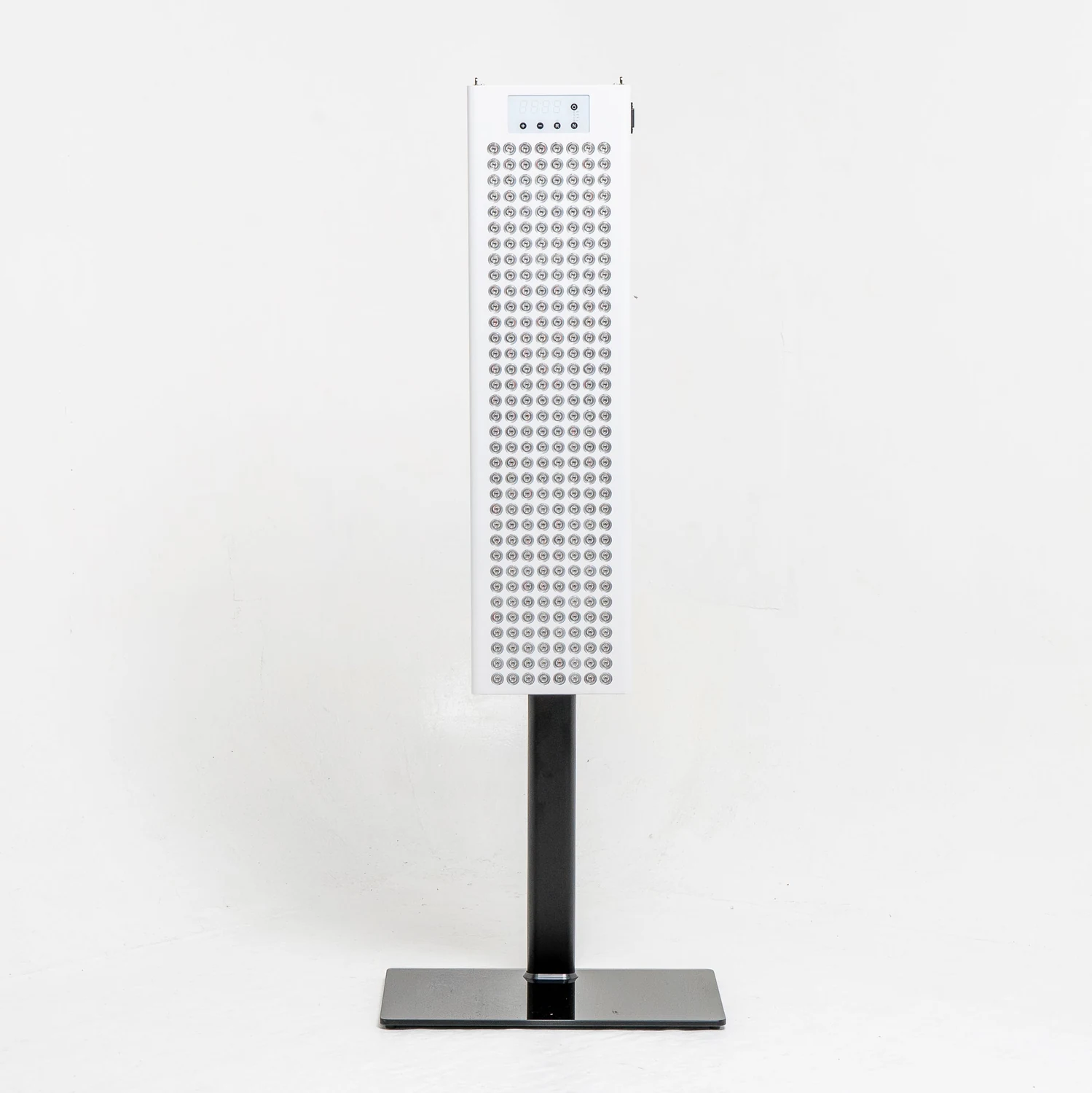 RedRush 840 PULSE Red and Near-Infrared Light Therapy PanelPremium Large-Panel AlternativeBest for: Shoppers comparing a larger premium panel with 660nm red and 850nm near-infrared LEDs and several operating modes.We tried it and liked it. The manufacturer lists 280 LEDs and selectable pulse settings; those specifications are not independent measurements or proof of a health result.Our full review
$1,195without codeList $1,599$1,095estimated withcode WWILEstimated saving$100with our code· $504 below listPrices change often; use the retailer link for the current price. -
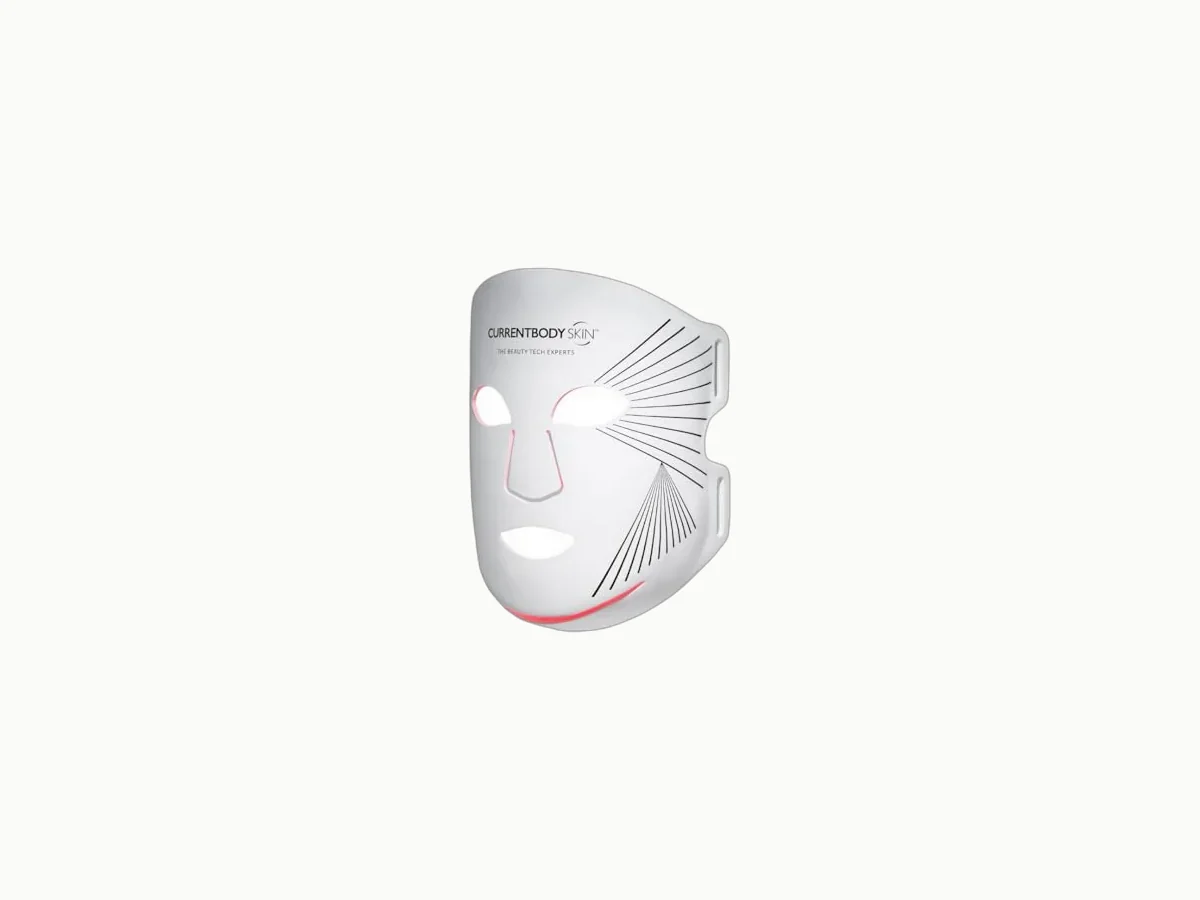 CurrentBody Skin LED Light Therapy Mask Series 2Best Face-Focused FormatBest for: Face-focused sessions in a small, repeatable format.The mask choice for buyers who value precise face coverage and a short scheduled routine.Our full reviewCheck current Amazon offerPrices change often; use the retailer link for the current price.
 -
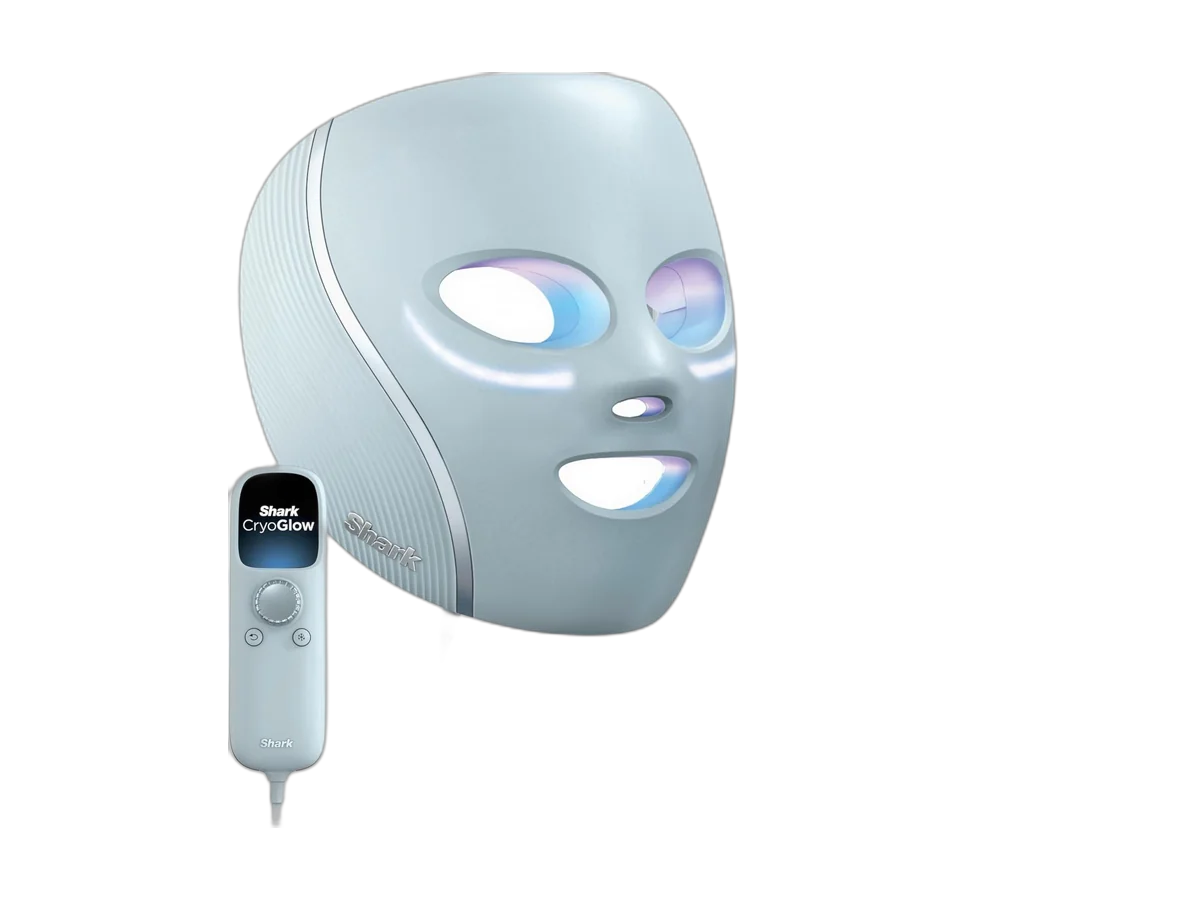 Shark CryoGlow LED Face MaskFeature-Heavy Mask OptionBest for: Face treatments with cooling and multiple LED modes.A feature-heavy mask alternative when cooling is part of the appeal.Our full reviewCheck current Amazon offerPrices change often; use the retailer link for the current price.
 -
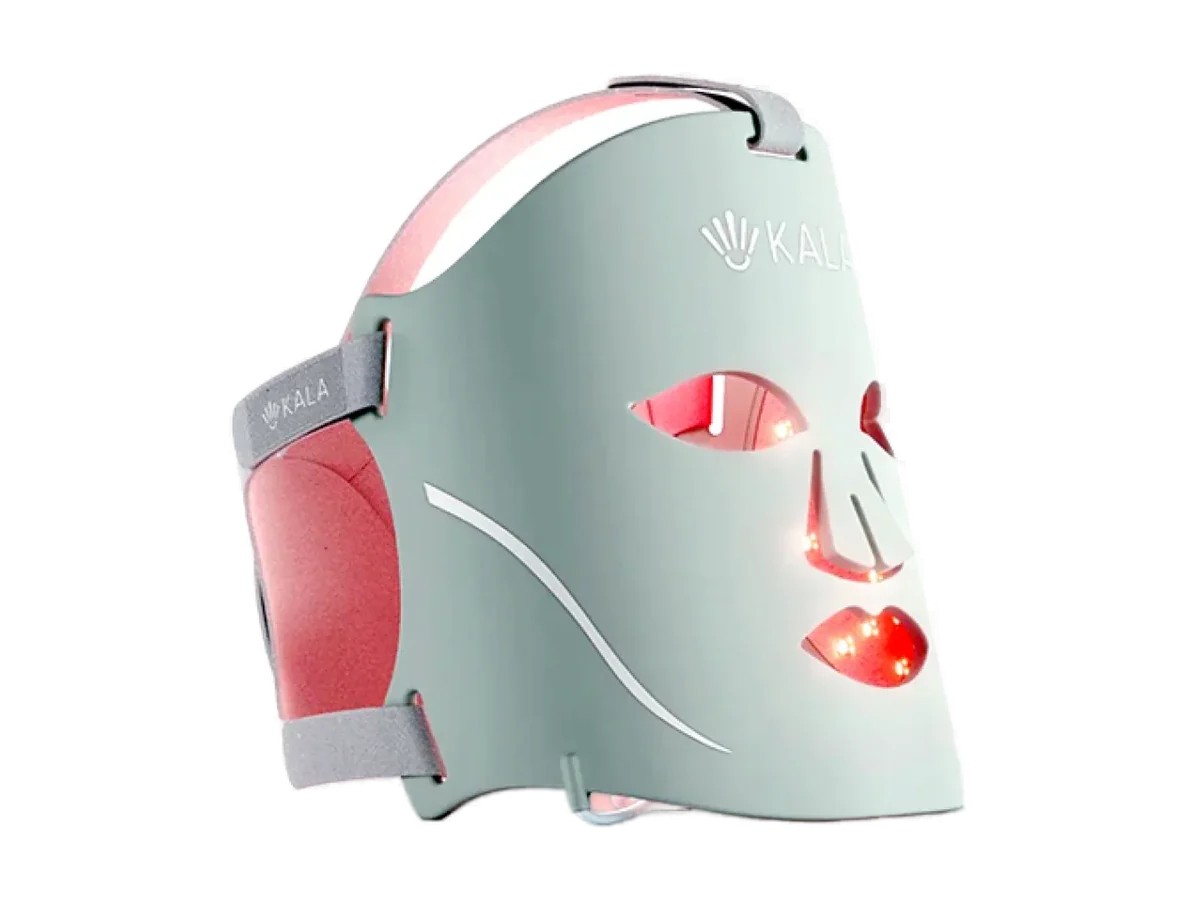 Kala Red Light Face MaskBest for: A face-only routine when you want red, near-infrared, and blue modes in a flexible silicone mask.A wearable mask with several light modes and a rechargeable controller. Its cable and less complete jaw and under-eye coverage are meaningful fit tradeoffs.Our full review
$399.99without code$339.99estimated withcode WWILEstimated saving$60 (15% off)with our codePrices change often; use the retailer link for the current price. -
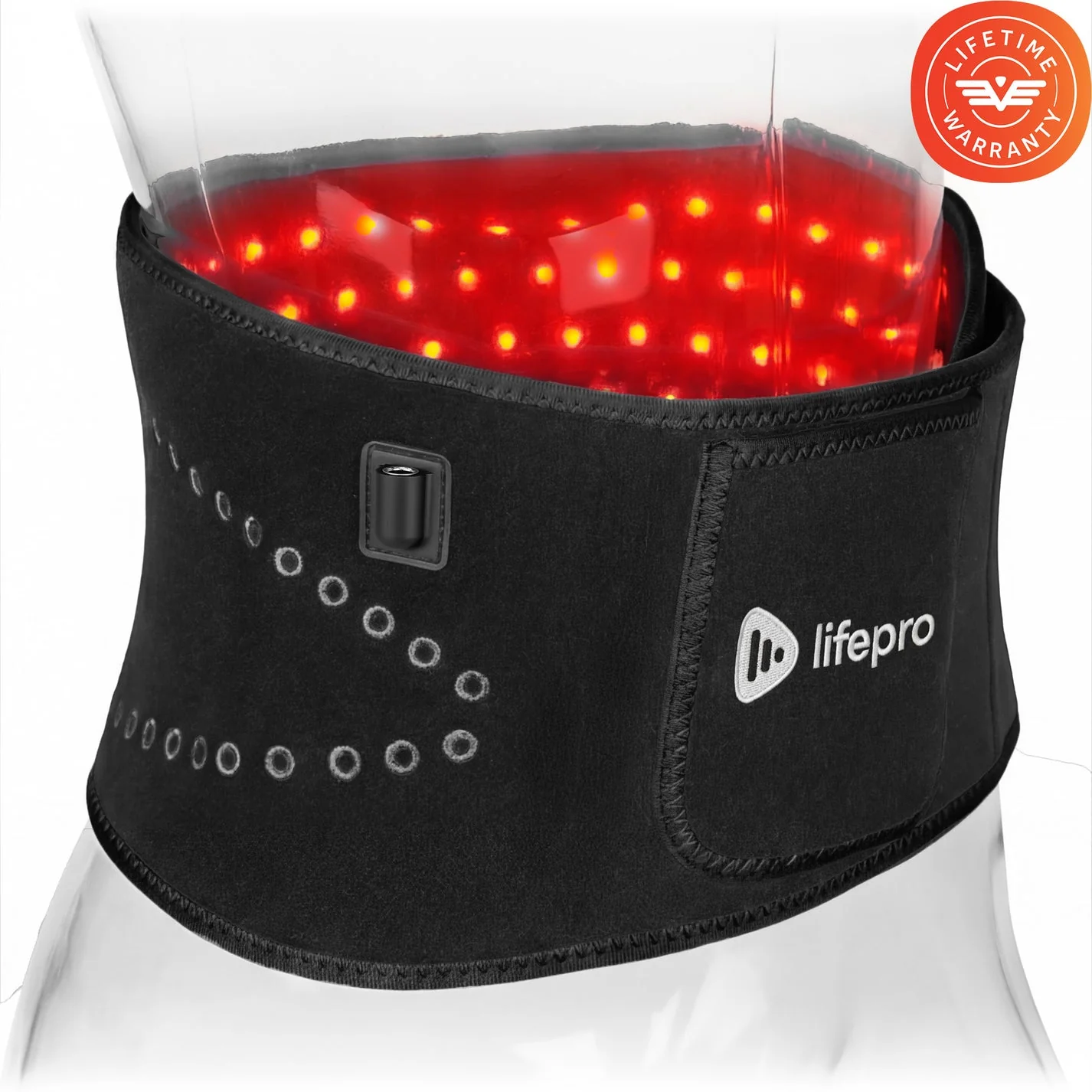 LifePro AllevaRed Red Light Therapy BeltBest for: Targeted wearable red and near-infrared light over one body area.A focused wrap option when a wearable setup matters more than a panel's wider coverage. The manufacturer lists 105 triple-chip LEDs and 660 nm red plus 850 nm near-infrared modes; treatment results are not verified here.Our full reviewPrices change often; use the retailer link for the current price.
How we'd choose
| Pick | Our call | Buy it for | The catch |
|---|---|---|---|
| Viconor Red Light Therapy Panel with Stand | The panel example if you want light on more than your face. A mask is still the better buy if you will only treat your face. | Face, neck, or body coverage from a freestanding panel instead of a wearable mask. | — |
| RedRush 400 PULSE Red-Light Therapy Panel | A configurable panel option if you want both 660 nm red and 850 nm near-infrared LEDs. The manufacturer lists a 24-by-42-inch treatment area, but its output figures have not been independently measured here; the included box list does not include a freestanding stand. | Shoppers comparing a premium panel with selectable pulse modes and a larger listed treatment area. | — |
| BESTQOOL BQ60 Red Light Therapy Panel | A convenient entry-size panel with red-only, near-infrared-only, and combined modes plus a timer. Its 4.8/5 from 493 brand-hosted reviews signals buyer interest, while the small treatment face and non-expandable design make it a targeted-use choice. WWIL is listed, but the customer discount amount is not recorded. | A compact 660nm red / 850nm near-infrared panel for targeted use over one area at a time. | — |
| VELLGUS Pro Red Light Therapy Panel | The VELLGUS Pro lists five wavelengths in a compact panel and offers three stand configurations. It remains a one-area-at-a-time device, and no customer code is recorded. | A compact five-wavelength panel when a buyer wants to choose a fixed hook, floor stand, or mobile stand. | — |
| RedRush 840 PULSE Red and Near-Infrared Light Therapy Panel | Premium Large-Panel Alternative | Shoppers comparing a larger premium panel with 660nm red and 850nm near-infrared LEDs and several operating modes. | The pictured floor stand is sold separately, and stacking the $100 code with another offer is unconfirmed. |
| CurrentBody Skin LED Light Therapy Mask Series 2 | Best Face-Focused Format | Face-focused sessions in a small, repeatable format. | — |
| Shark CryoGlow LED Face Mask | Feature-Heavy Mask Option | Face treatments with cooling and multiple LED modes. | — |
| Kala Red Light Face Mask | A wearable mask with several light modes and a rechargeable controller. Its cable and less complete jaw and under-eye coverage are meaningful fit tradeoffs. | A face-only routine when you want red, near-infrared, and blue modes in a flexible silicone mask. | The controller is wired, and independent coverage notes less even contact around the jaw and under-eye area. |
| LifePro AllevaRed Red Light Therapy Belt | A focused wrap option when a wearable setup matters more than a panel's wider coverage. The manufacturer lists 105 triple-chip LEDs and 660 nm red plus 850 nm near-infrared modes; treatment results are not verified here. | Targeted wearable red and near-infrared light over one body area. | — |
-
Viconor Red Light Therapy Panel with Stand
- Our call
- The panel example if you want light on more than your face. A mask is still the better buy if you will only treat your face.
- Buy it for
- Face, neck, or body coverage from a freestanding panel instead of a wearable mask.
- The catch
- —
-
RedRush 400 PULSE Red-Light Therapy Panel
- Our call
- A configurable panel option if you want both 660 nm red and 850 nm near-infrared LEDs. The manufacturer lists a 24-by-42-inch treatment area, but its output figures have not been independently measured here; the included box list does not include a freestanding stand.
- Buy it for
- Shoppers comparing a premium panel with selectable pulse modes and a larger listed treatment area.
- The catch
- —
-
BESTQOOL BQ60 Red Light Therapy Panel
- Our call
- A convenient entry-size panel with red-only, near-infrared-only, and combined modes plus a timer. Its 4.8/5 from 493 brand-hosted reviews signals buyer interest, while the small treatment face and non-expandable design make it a targeted-use choice. WWIL is listed, but the customer discount amount is not recorded.
- Buy it for
- A compact 660nm red / 850nm near-infrared panel for targeted use over one area at a time.
- The catch
- —
-
VELLGUS Pro Red Light Therapy Panel
- Our call
- The VELLGUS Pro lists five wavelengths in a compact panel and offers three stand configurations. It remains a one-area-at-a-time device, and no customer code is recorded.
- Buy it for
- A compact five-wavelength panel when a buyer wants to choose a fixed hook, floor stand, or mobile stand.
- The catch
- —
-
RedRush 840 PULSE Red and Near-Infrared Light Therapy Panel
- Our call
- Premium Large-Panel Alternative
- Buy it for
- Shoppers comparing a larger premium panel with 660nm red and 850nm near-infrared LEDs and several operating modes.
- The catch
- The pictured floor stand is sold separately, and stacking the $100 code with another offer is unconfirmed.
-
CurrentBody Skin LED Light Therapy Mask Series 2
- Our call
- Best Face-Focused Format
- Buy it for
- Face-focused sessions in a small, repeatable format.
- The catch
- —
-
Shark CryoGlow LED Face Mask
- Our call
- Feature-Heavy Mask Option
- Buy it for
- Face treatments with cooling and multiple LED modes.
- The catch
- —
-
Kala Red Light Face Mask
- Our call
- A wearable mask with several light modes and a rechargeable controller. Its cable and less complete jaw and under-eye coverage are meaningful fit tradeoffs.
- Buy it for
- A face-only routine when you want red, near-infrared, and blue modes in a flexible silicone mask.
- The catch
- The controller is wired, and independent coverage notes less even contact around the jaw and under-eye area.
-
LifePro AllevaRed Red Light Therapy Belt
- Our call
- A focused wrap option when a wearable setup matters more than a panel's wider coverage. The manufacturer lists 105 triple-chip LEDs and 660 nm red plus 850 nm near-infrared modes; treatment results are not verified here.
- Buy it for
- Targeted wearable red and near-infrared light over one body area.
- The catch
- —
As an Amazon Associate, we may earn from qualifying purchases.
The mask-versus-panel question is really a question about routine design. A face mask is compact and puts the LEDs close to the treatment area. A panel offers more coverage and can be used on different areas, but it needs more space and deliberate positioning. For current panel models, partner codes, and setup tradeoffs, see our best red light therapy panels guide.
There is no universal winner. The format that produces the best result for a buyer is usually the one they will use consistently and safely.
Quick picks
- Want a face-only mask with multiple light modes and a partner code? Compare the Kala Red Light Face Mask and confirm the first-purchase terms on the Kala Therapy offer page.
Choose a mask when the face is the only target
A mask is easier to understand. It has a defined treatment area, a defined strap, and a defined session. CurrentBody Series 2 lists a 10-minute session with 236 bulbs across red and near-infrared wavelengths. Shark CryoGlow adds blue light, infrared, and under-eye cooling in a more feature-heavy design.
The Kala Red Light Face Mask adds red, near-infrared, and blue modes in a flexible silicone format. Its controller cable and less complete jaw and under-eye coverage make fit the key tradeoff; check the current WWIL offer if you want to compare its code-enabled purchase path.
Get the best price: shop through the Kala Therapy offer page and enter WWIL in the cart. Our October 18 check applied it to this mask on a first purchase; confirm eligibility and the final total before paying.
The tradeoff is flexibility. A face mask is not useful for shoulders, legs, or larger areas, and comfort depends on whether the shape and strap work for your face. A mask is also a premium purchase in many cases, so check the return policy before assuming the fit will be perfect.
Choose a panel when you want coverage and flexibility
A panel makes more sense for someone who wants to use light on more than the face. The same device may be positioned over different areas, depending on its instructions and safety design. The Viconor panel below is the concrete example: an adjustable-stand panel you position instead of wearing it. For a premium option, the RedRush 400 PULSE lists 660nm red and 850nm near-infrared LEDs, selectable pulse modes or continuous mode, and a treatment area described by the manufacturer. Those are maker specifications, not independent measurements. Its box list includes a hanging wire, door hook, adjustable rope, glasses, power cord, and wall anchors; it does not list a freestanding stand. The October 10 brand listing showed $675. WWIL is listed for $100 off each order; compare the final total if another promotion is active. See our RedRush 400 review and current Red Therapy Co code page for product and checkout details.
Panels also make it easier to see the device’s distance and treatment area. That can be useful for people who want to follow a measured protocol rather than wear a mask. The downside is that a panel usually needs a stand, a clear surface, and a block of time in which you can sit or stand in front of it.
Coverage only helps if it is used. A panel with better theoretical versatility can still be worse value than a mask that actually gets worn three times a week.
VELLGUS Pro: five listed wavelengths in a compact panel
The VELLGUS Pro is another option when stand choice matters. Its product page lists five wavelengths, a compact panel, and Door Hook, Floor Stand, and Flex Mobile Stand configurations. Those were listed at $849, $949, and $1,119, respectively, on October 10, 2026. The wavelength list is not a shortcut for comparing effectiveness; the evidence depends on the device and its use conditions.
The listed prices are different support setups, not a sale. No customer promo code is recorded. Read our VELLGUS Pro review and check the current VELLGUS offer page for the tracked product link and current details.
For a larger panel, the RedRush 840 PULSE is the premium option to compare. Red Therapy Co lists 280 LEDs split between 660nm red and 850nm near-infrared, continuous mode plus selectable pulsing, and a larger treatment area. Those are manufacturer specifications. Its listed price was $1,195 on October 10, 2026. WWIL is listed for $100 off each order, making $1,095 an estimate before tax and shipping; stacking with WELCOME50 remains unconfirmed. The stand shown in the product image is sold separately. Read our RedRush 840 review and compare the current Red Therapy Co WWIL offer before deciding.
Consider a wrap when one body area is your focus
A wearable wrap is a third option when you want to place light on one area without setting up a panel. LifePro’s AllevaRed is one example: the manufacturer lists 105 triple-chip LEDs and 660 nm red plus 850 nm near-infrared modes. The belt is designed for focused placement, so it does not offer a panel’s wider coverage. We have not tested the device, and its advertised treatment benefits remain manufacturer claims; read our AllevaRed research review for the fit, seller, and evidence caveats.
Compare the numbers that actually matter
Wavelengths
Look for the actual nanometer ranges, not just “red light” or “near-infrared.” CurrentBody lists 633nm, 830nm, and 1072nm for Series 2. Shark lists red, blue, and infrared programs. Different wavelengths are associated with different intended cosmetic goals, so compare the device to your reason for buying it.
Irradiance and distance
Panels are often used at a specified distance, while a mask is placed directly on the face. Compare the manufacturer’s power-density information at the recommended distance. A higher number is not automatically better, and using a device closer or longer than instructed can increase irritation without guaranteeing better results.
Session length
Shorter is not automatically more effective; it is simply easier to fit into a day. Dr. Dennis Gross FaceWare Pro uses a three-minute routine, CurrentBody uses 10 minutes, and panel schedules vary by model. Choose the schedule you will honestly follow.
Safety information
Read contraindications before buying. CurrentBody specifically instructs users to perform a sensitivity test and flags photosensitivity, cataracts, open sores, and certain skin conditions. Anyone taking medication that increases light sensitivity should ask a qualified healthcare professional before using an LED device.
Cost and space are part of the verdict
Masks are usually easier to store. They can live in a drawer and travel in a bag. Panels take more room but may replace multiple devices if the buyer will use them on different areas.
Do not compare only purchase prices. Include a stand, replacement straps, warranty, return shipping, eye protection if required, and the likelihood that the product will be used. A cheaper device is not a bargain when it becomes another abandoned wellness purchase.
What a mask cannot do
Red-light therapy is not a shortcut around sunscreen, sleep, hydration, or professional skin care. It cannot diagnose acne, rosacea, suspicious lesions, or a medication reaction. Manufacturer before-and-after images and study summaries also should not be treated as guaranteed personal outcomes.
Use the device as directed and stop if it causes pain, heat, rash, or eye discomfort. If a skin problem persists, see a qualified professional rather than increasing the session length.
Final answer
Choose a mask when you want face-focused coverage and a short routine; the Kala mask is a code-linked option if you want multiple modes in flexible silicone. Choose a panel when you want more adjustable, wider-area coverage and have room to position it. Choose a wrap when one body area is your priority and you prefer a wearable format.
For a current face-focused starting point, compare the CurrentBody Series 2 Amazon listing, the Shark CryoGlow listing, and the full LED face-mask comparison. For a focused body-area wrap, compare the LifePro AllevaRed review. As an Amazon Associate, we may earn from qualifying purchases on the Amazon links above.
-
Viconor Red Light Therapy Panel with Stand
Face, neck, or body coverage from a freestanding panel instead of a wearable mask.
-
RedRush 400 PULSE Red-Light Therapy Panel
Shoppers comparing a premium panel with selectable pulse modes and a larger listed treatment area.
Use code WWIL WWIL is $100 off each order; stacking with other offers is not confirmed. -
BESTQOOL BQ60 Red Light Therapy Panel
A compact 660nm red / 850nm near-infrared panel for targeted use over one area at a time.
Use code WWIL WWIL is listed in the partner record; the customer discount amount is not recorded. -
VELLGUS Pro Red Light Therapy Panel
A compact five-wavelength panel when a buyer wants to choose a fixed hook, floor stand, or mobile stand.
-
RedRush 840 PULSE Red and Near-Infrared Light Therapy Panel
Premium Large-Panel Alternative · Shoppers comparing a larger premium panel with 660nm red and 850nm near-infrared LEDs and several operating modes.
$1,195without codeList $1,599$1,095estimated withcode WWILEstimated saving$100with our code· $504 below list -
CurrentBody Skin LED Light Therapy Mask Series 2
Best Face-Focused Format · Face-focused sessions in a small, repeatable format.
-
Shark CryoGlow LED Face Mask
Feature-Heavy Mask Option · Face treatments with cooling and multiple LED modes.
-
Kala Red Light Face Mask
A face-only routine when you want red, near-infrared, and blue modes in a flexible silicone mask.
$399.99without code$339.99estimated withcode WWILEstimated saving$60 (15% off)with our code -
LifePro AllevaRed Red Light Therapy Belt
Targeted wearable red and near-infrared light over one body area.
As an Amazon Associate, we may earn from qualifying purchases.
Frequently asked questions
Is a red light therapy mask better than a panel?
Are red light panels more powerful than masks?
Which is better for wrinkles, a mask or a panel?
Can red light therapy replace skincare or a dermatologist?
Is a red-light belt a good alternative to a panel?
Affiliate disclosure
Some links on this page may be affiliate links — we may earn a commission if you buy through them, at no extra cost to you. We only recommend products we think are worth considering. Verdicts are not influenced by commissions.
Health disclaimer
This content is for informational purposes only and is not medical advice. Talk to a qualified professional before starting new supplements, treatments, or major health changes.