The Best Water Filter Pitchers of 2026: LifeStraw vs. Clearly Filtered vs. ZeroWater
Compare picks & prices ↓We compared top water filter pitchers on contaminant removal, certifications, materials, and long-term cost to find which ones are actually worth buying.
We may earn a commission from our links or codes.
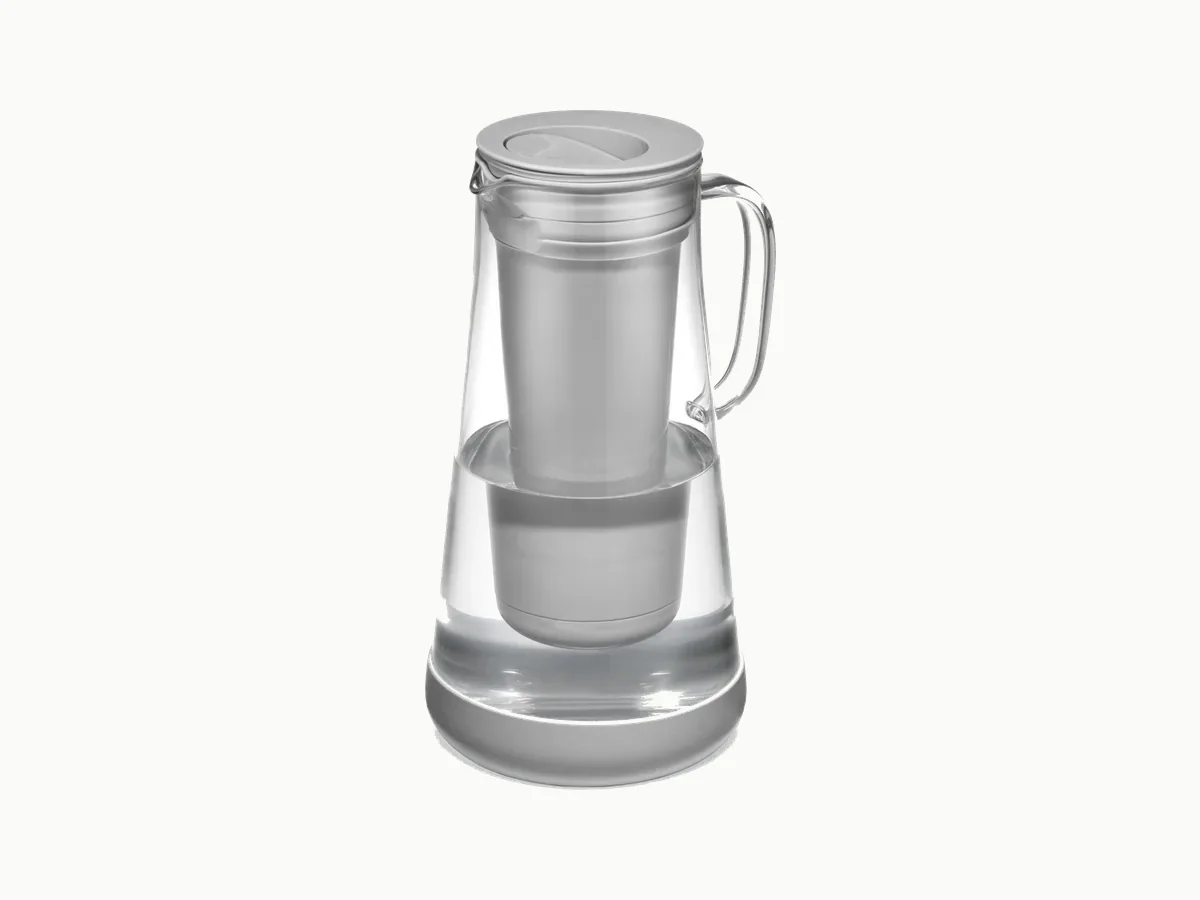
Choose by use case
- LifeStraw Home Glass PitcherDefinitely Well Worth ItBest for: People who want serious filtration in a glass body.Best overall — broad certifications, glass body, and a fair long-term value.Our full reviewPrices change often; use the retailer link for the current price.
-
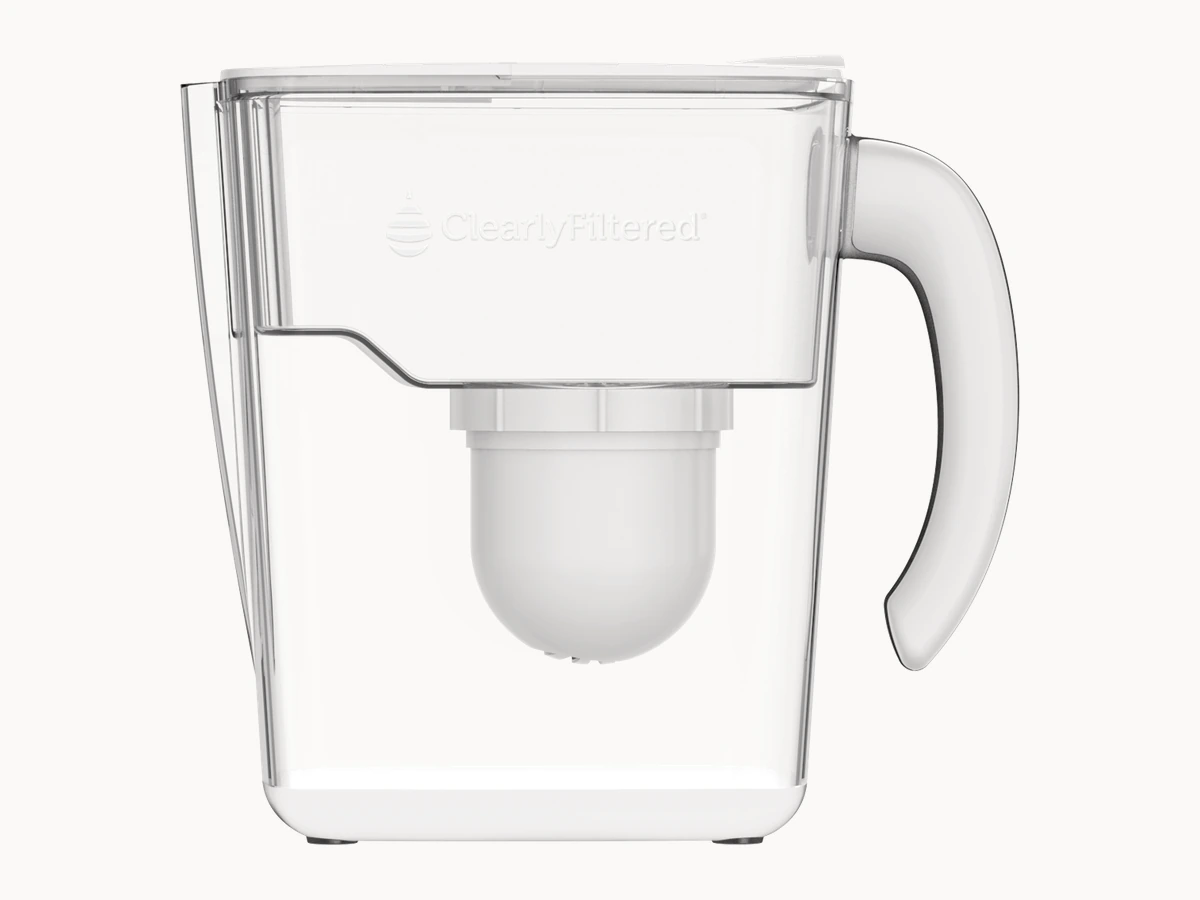 Clearly Filtered PitcherStrong BuyBest for: People prioritizing maximum contaminant reduction claims and lab data.Best for maximum contaminant removal — strong claims, higher upfront cost.Our full reviewPrices change often; use the retailer link for the current price.
 -
 ZeroWater 10-Cup PitcherStrong BuyBest for: Hard-water households that want aggressive dissolved-solid reduction.Best for hard water — very effective, but filters can burn out fast.Our full reviewPrices change often; use the retailer link for the current price.
 -
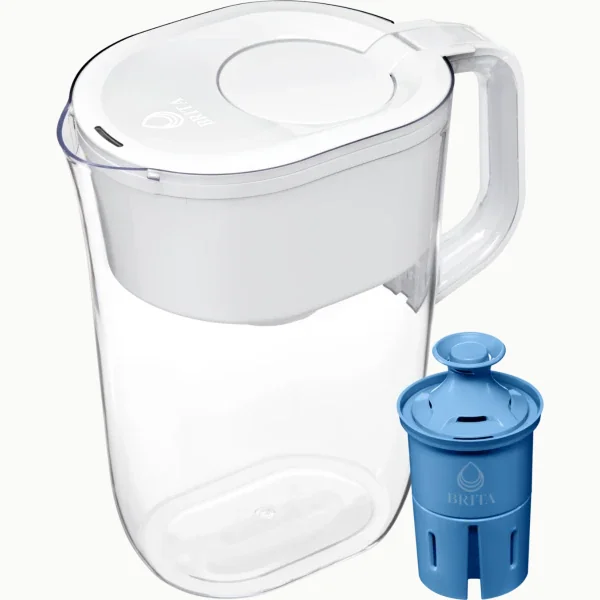 Brita Everyday EliteDepends on the PersonBest for: Brita households that want the easiest low-friction filter upgrade.Best name-brand budget pick — convenient, familiar, and easy to maintain.Our full reviewPrices change often; use the retailer link for the current price.
 -
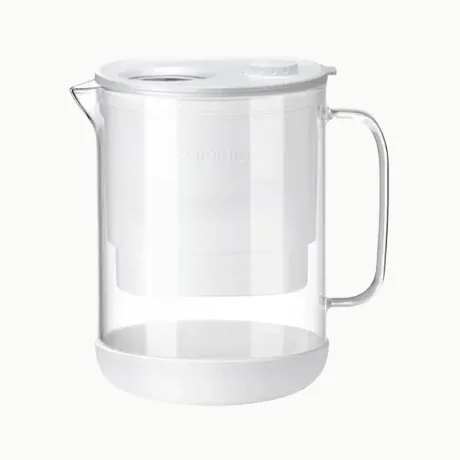 Waterdrop Glass PitcherGood, But Not EssentialBest for: People who want a budget glass pitcher and lighter filtration needs.Best budget glass option — nicer materials, less compelling certification story.Our full reviewPrices change often; use the retailer link for the current price.
How we'd choose
| Pick | Our call | Buy it for | The catch |
|---|---|---|---|
| LifeStraw Home Glass Pitcher | Definitely Well Worth It | People who want serious filtration in a glass body. | — |
| Clearly Filtered Pitcher | Strong Buy | People prioritizing maximum contaminant reduction claims and lab data. | — |
| ZeroWater 10-Cup Pitcher | Strong Buy | Hard-water households that want aggressive dissolved-solid reduction. | — |
| Brita Everyday Elite | Depends on the Person | Brita households that want the easiest low-friction filter upgrade. | — |
| Waterdrop Glass Pitcher | Good, But Not Essential | People who want a budget glass pitcher and lighter filtration needs. | — |
-
LifeStraw Home Glass Pitcher
- Our call
- Definitely Well Worth It
- Buy it for
- People who want serious filtration in a glass body.
- The catch
- —
-
Clearly Filtered Pitcher
- Our call
- Strong Buy
- Buy it for
- People prioritizing maximum contaminant reduction claims and lab data.
- The catch
- —
-
ZeroWater 10-Cup Pitcher
- Our call
- Strong Buy
- Buy it for
- Hard-water households that want aggressive dissolved-solid reduction.
- The catch
- —
-
Brita Everyday Elite
- Our call
- Depends on the Person
- Buy it for
- Brita households that want the easiest low-friction filter upgrade.
- The catch
- —
-
Waterdrop Glass Pitcher
- Our call
- Good, But Not Essential
- Buy it for
- People who want a budget glass pitcher and lighter filtration needs.
- The catch
- —
As an Amazon Associate, we may earn from qualifying purchases.
Most people buy a Brita because it’s at the grocery store. But “filtered” doesn’t mean the same thing across brands — some pitchers reduce a handful of contaminants, others are tested against hundreds. We evaluated these five on what they’re actually certified to remove, what they cost long-term, and which ones make sense for which kitchens.
For a deeper hands-on take, see our LifeStraw Home review. For broader kitchen swaps, the low-toxin kitchen guide is the natural next read.
PFAS: the spec most pitchers quietly fail
Checked September 2026. If forever chemicals are your reason for filtering, this is the only table that matters — and the differences are not marginal.
| Pitcher | PFAS (independent comparative testing) | Certification route |
|---|---|---|
| ZeroWater | Effectively complete removal | IAPMO certified to NSF/ANSI 42, 53 and 401 (26 contaminants) |
| Clearly Filtered | Effectively complete removal; broadest per-compound data | NSF/ANSI 42 and 372; health claims via independent lab testing |
| Brita Elite | ~22% of total PFAS | NSF/ANSI 53 certified for lead (99% reduction) |
The Brita Elite is the trap here. It is a good filter — NSF 53 certified for lead, 99% reduction, six-month filter life, widely available — and a great many people buy it specifically for PFAS, which it does not meaningfully address. If chlorine taste and lead are your concerns, it is a sensible, low-friction choice. If you are filtering for forever chemicals, it is the wrong product and the word “Elite” is doing a lot of work.
Note also the difference in how the two strong performers are evidenced. ZeroWater carries formal IAPMO certification against the NSF standards, with ongoing auditing. Clearly Filtered demonstrates its health-contaminant performance through published independent laboratory testing rather than NSF 53 certification. Both are credible; they are not the same kind of assurance, and buyers who specifically want formal certification should know which they are getting.
Quick Picks
- Best overall: LifeStraw Home Glass Pitcher
- Best for maximum contaminant removal: Clearly Filtered
- Best for high-mineral or hard water: ZeroWater 10-Cup
- Best name-brand budget pick: Brita Everyday Elite
- Best budget glass option: Waterdrop Glass Pitcher
What to Look For in a water filter pitcher
NSF/ANSI certifications. These are the only certifications that mean anything. NSF/ANSI 42 covers chlorine and taste; 53 covers health-related contaminants like lead and PFAS; 401 covers emerging contaminants like pharmaceuticals; 473 covers PFAS specifically. A pitcher that says “tested to NSF standards” without specifying which ones is usually being vague on purpose.
What’s actually in your tap water. Your local water utility publishes an annual water quality report. Read it. If you’re on well water, get an independent test. The right filter depends on what you’re trying to remove.
Pitcher material. Glass costs more and breaks easier, but doesn’t leach plastic compounds. Most plastic pitchers are BPA-free, but some people prefer glass on principle for cleaner-living reasons.
Filter life and cost per gallon. A $30 pitcher with $20 filters every 40 gallons isn’t cheaper than a $60 pitcher with $40 filters every 100 gallons. Do the math.
Flow rate. Some advanced filters are slow. If you fill a glass and want it now, that matters.
1. LifeStraw Home Glass Pitcher — Best overall
Best for: Daily use with a focus on certified microplastic and PFAS reduction.
Why it stands out: LifeStraw uses a dual-filter system — a membrane microfilter plus a carbon and ion exchange filter — and the Home pitcher is independently certified for microplastics, lead, and PFAS reduction at a price point that undercuts other certified options. The glass body keeps it on the cleaner-living end of the category.
Pros
- Independently certified for microplastics, lead, and PFAS
- Glass body — no plastic-on-water contact
- Looks intentional on a counter
- Replacement filters are reasonably priced
Cons
- Slower flow than activated-carbon-only pitchers
- Glass is heavier and more fragile when full
- Smaller capacity than some competitors
Editorial take: Definitely Well Worth It
|---|---|---|---|---|---| | Excellent | Excellent | Excellent | Strong | Excellent | Yes |
Who should buy it: Anyone who wants certified contaminant reduction in a glass vessel without paying premium-tier prices.
Who should skip it: Households that go through a lot of water fast — you’ll be refilling often.
2. Clearly Filtered Pitcher — Best for maximum contaminant removal
Best for: Anyone with serious tap water concerns or well water.
Why it stands out: Clearly Filtered publishes lab data showing reduction of over 365 contaminants — including fluoride, glyphosate, PFAS, and pharmaceuticals — which is far beyond what standard pitchers test for. They’re tested to NSF/ANSI standards 42, 53, 401, and 473.
Pros
- Most comprehensive contaminant testing in the pitcher category
- 100-gallon filter life — about four months of typical use
- Publishes full third-party lab results publicly
- Removes fluoride, which most pitchers don’t
Cons
- Higher upfront cost
- Plastic vessel (medical-grade Tritan, BPA/BPS-free, but still plastic)
- Slower flow rate than basic carbon filters
Editorial take: Definitely Well Worth It
|---|---|---|---|---|---| | Excellent | Strong | Excellent | Strong | Excellent | Yes |
Who should buy it: Cleaner-living buyers who want the most thoroughly tested pitcher available, or anyone with documented water quality concerns.
Who should skip it: People whose tap water tests fine and who just want better-tasting drinking water.
3. ZeroWater 10-Cup Pitcher — Best for hard water
Best for: Areas with high mineral content where you want a “neutral” water taste.
Why it stands out: ZeroWater is the only pitcher in this lineup that includes a TDS (Total Dissolved Solids) meter in the box. Its five-stage filter is designed to strip the water down to near-zero TDS — useful if your tap water is hard or has a strong mineral taste.
Pros
- TDS meter included — you can actually verify it’s working
- Strips minerals other pitchers leave behind
- NSF certified for lead and chromium
Cons
- Filter life is shorter in hard-water areas
- Filtered water can taste flat (some people don’t like it)
- Slightly acidic pH after filtration
Editorial take: Strong Buy
|---|---|---|---|---|---| | Strong | Solid | Strong | Strong | Strong | Yes |
Who should buy it: People with high-TDS tap water who want crisp, “neutral” drinking water and like seeing the meter prove the filter works.
Who should skip it: People who prefer mineral-rich water or have low-TDS tap water already.
4. Brita Everyday Elite — Best name-brand budget pick
Best for: People who want a meaningful upgrade from a basic Brita without changing their habits.
Why it stands out: The Elite filter (formerly LongLast+) is a real upgrade over Brita’s standard filter. Brita’s current filter page says it reduces 99% of lead and reduces chlorine, asbestos, cadmium, and microplastics, while lasting roughly three times longer than the basic cartridge. It’s not the most thorough filter on this list, but it’s the most accessible and replacement filters are everywhere.
Pros
- Lead-certified
- Longer filter life than standard Brita
- Cheap upfront and easy to find
- No pre-soak required
Cons
- Does not make a PFAS-reduction claim on the current source pages
- Plastic pitcher
- Doesn’t reduce as many contaminants as LifeStraw or Clearly Filtered
Editorial take: Depends on the Person
|---|---|---|---|---|---| | Solid | Strong | Fair | Excellent | Fair | Maybe |
Who should buy it: Casual users who want lead protection at the lowest possible price and don’t want to think about replacement filters.
Who should skip it: Anyone whose primary concern is PFAS or comprehensive filtration — you’re better off spending more once.
5. Waterdrop Glass Pitcher — Best budget glass option
Best for: Buyers who want a glass pitcher but don’t need top-tier filtration.
Why it stands out: Waterdrop’s glass pitcher delivers the cleaner-living visual appeal of glass at a price closer to plastic competitors. The filter is NSF certified for chlorine, taste, and lead reduction.
Pros
- Borosilicate glass body
- NSF 42, 53, and 372 certified
- Faster flow rate than LifeStraw
- More attractive than most plastic pitchers
Cons
- Doesn’t match LifeStraw or Clearly Filtered on contaminant breadth
- Glass is heavier when full
- Smaller filter coverage scope
Editorial take: Good, But Not Essential
|---|---|---|---|---|---| | Solid | Strong | Strong | Strong | Solid | Maybe |
Who should buy it: People who want a glass pitcher at a budget price and have decent municipal tap water.
Who should skip it: Buyers focused on PFAS, microplastics, or comprehensive testing — LifeStraw is worth the upgrade.
Comparison
| Feature | LifeStraw Home | Clearly Filtered | ZeroWater | Brita Elite | Waterdrop Glass |
|---|---|---|---|---|---|
| Material | Glass | Tritan plastic | Plastic | Plastic | Glass |
| Filter life | ~40 gallons | 100 gallons | ~40 gallons (hard water shorter) | ~120 gallons | ~60 gallons |
| Microplastic-certified | Yes | Yes | Reduces | Reduces; check current claim scope | Reduces |
| PFAS-certified | Yes | Yes (NSF 473) | Reduces | No PFAS claim shown | Reduces |
| Lead-certified | Yes | Yes | Yes | Yes | Yes |
| Fluoride reduction | Limited | Yes | Some | No | Limited |
How We Test
We evaluated these pitchers based on NSF/ANSI certifications, published third-party lab results, filter life, replacement filter cost, pitcher material, and flow rate. We have first-hand experience with the LifeStraw Home pitcher (see our full review). The other pitchers in this guide are evaluated based on certifications, manufacturer-published lab data, and long-term owner feedback rather than personal testing.
Final verdict
For most people, the LifeStraw Home Glass Pitcher is the right balance — certified for the contaminants that matter, in a glass vessel, at a fair price. If your tap water is genuinely concerning, or you want the most thorough testing available, Clearly Filtered is worth the upgrade. If you’re on a budget and lead is your main worry, Brita Everyday Elite is fine — just don’t treat it as a PFAS or comprehensive-filtration solution, and verify the current scope of its microplastics claim.
FAQ
Do I really need a filter that removes PFAS? PFAS (“forever chemicals”) are present in most U.S. tap water at varying levels. The EPA finalized national PFAS limits in 2024. Whether you need a PFAS-specific filter depends on your local water report. If your area has elevated PFAS, yes — get one tested for it.
Are pitcher filters as good as under-sink reverse osmosis? No. RO systems remove more, but they’re more expensive, harder to install, and waste water. A certified pitcher is a strong middle-ground for most apartments and renters.
How often should I really replace the filter? Manufacturer estimates assume average tap water and typical usage. If your water is harder or you go through more, replace earlier. A clear sign: water starts tasting different or filling slows down noticeably.
Does filtered water need to go in the fridge? It doesn’t have to, but filtered water without chlorine can grow bacteria a little faster. Refrigerated and consumed within a few days is best.
Is glass really better than BPA-free plastic? BPA-free plastic is generally fine, but some people prefer glass to avoid any plastic-on-water contact, especially with hot water or long storage. It’s a personal call.
-
LifeStraw Home Glass Pitcher
Definitely Well Worth It · People who want serious filtration in a glass body.
-
Clearly Filtered Pitcher
Strong Buy · People prioritizing maximum contaminant reduction claims and lab data.
-
ZeroWater 10-Cup Pitcher
Strong Buy · Hard-water households that want aggressive dissolved-solid reduction.
-
Brita Everyday Elite
Depends on the Person · Brita households that want the easiest low-friction filter upgrade.
-
Waterdrop Glass Pitcher
Good, But Not Essential · People who want a budget glass pitcher and lighter filtration needs.
As an Amazon Associate, we may earn from qualifying purchases.
Frequently asked questions
What is The Best Water Filter Pitchers of 2026: LifeStraw vs. Clearly Filtered vs. ZeroWater about?
Which products are compared in this guide?
What is the top pick right now?
How does Well Worth It Lab choose products for best-picks guides?
Are the links affiliate links?
Affiliate disclosure
Some links on this page may be affiliate links — we may earn a commission if you buy through them, at no extra cost to you. We only recommend products we think are worth considering. Verdicts are not influenced by commissions.