Fitbit Charge 6 vs. Fitbit Air: should you choose a screen or go screenless?
Compare picks & prices ↓Choose the Charge 6 if you want a screen and built-in GPS. Choose Fitbit Air if you want a quieter, screenless tracker for sleep and daily activity.
Choose by use case
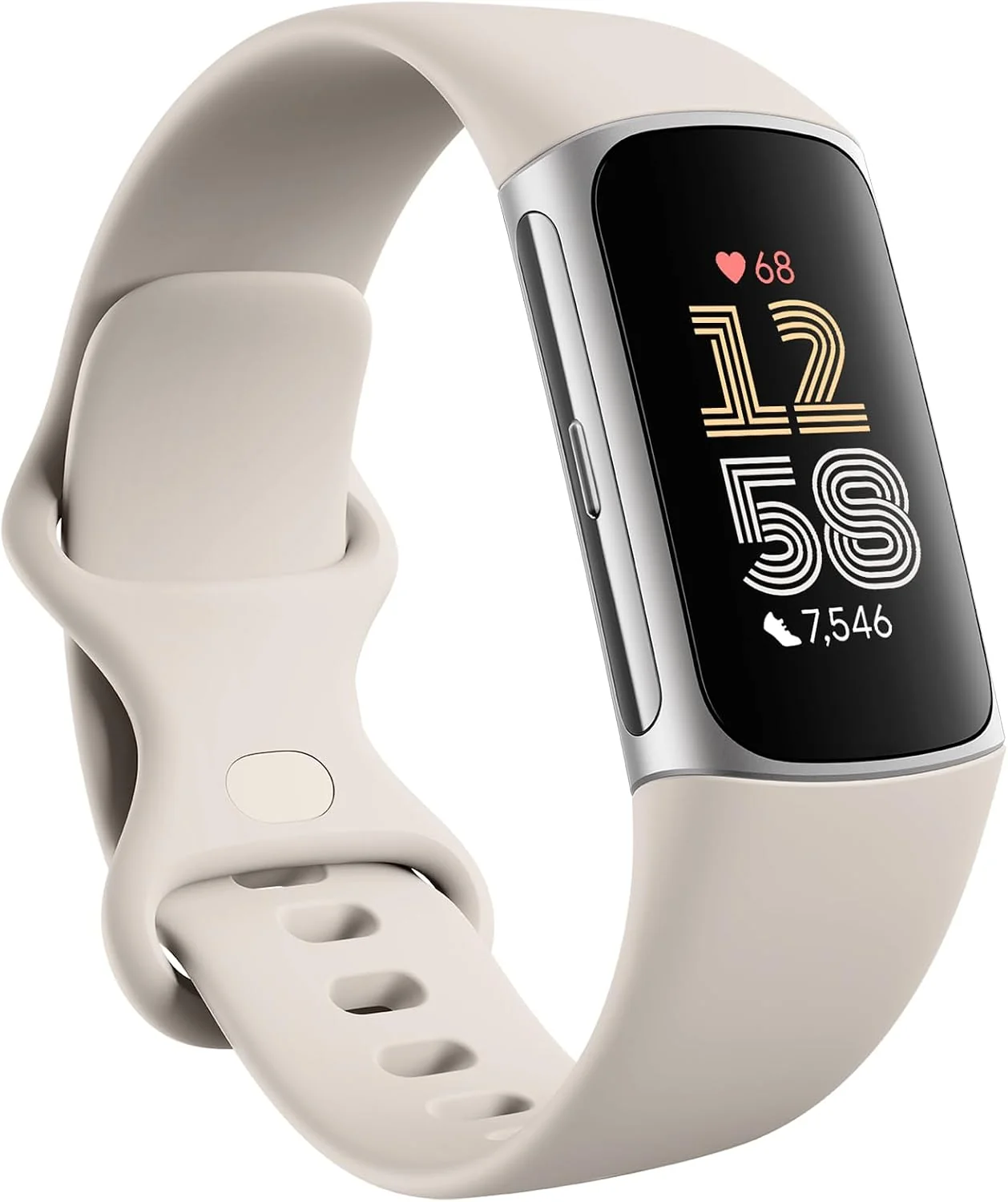
- Fitbit Charge 6Best for: Buyers who want a screen, built-in GPS, and live workout information on the wrist.The more useful all-rounder when you want feedback during a workout.Our full reviewPrices change often; use the retailer link for the current price.
-
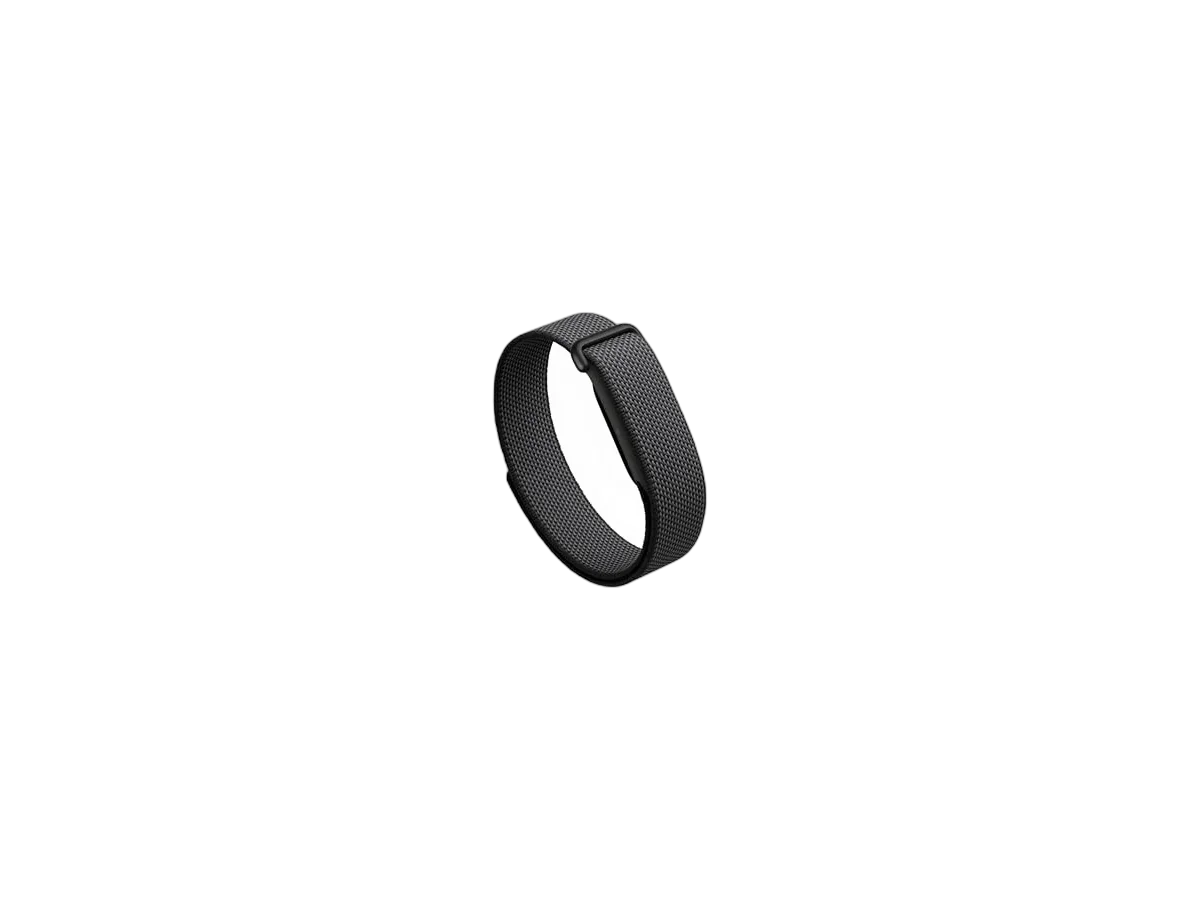 Google Fitbit AirBest for: Buyers who want passive tracking with no display competing for attention.The cleaner fit for screen-averse shoppers who care most about quiet, all-day and overnight tracking.Our full reviewPrices change often; use the retailer link for the current price.
How we'd choose
| Pick | Our call | Buy it for | The catch |
|---|---|---|---|
| Fitbit Charge 6 | The more useful all-rounder when you want feedback during a workout. | Buyers who want a screen, built-in GPS, and live workout information on the wrist. | — |
| Google Fitbit Air | The cleaner fit for screen-averse shoppers who care most about quiet, all-day and overnight tracking. | Buyers who want passive tracking with no display competing for attention. | — |
-
Fitbit Charge 6
- Our call
- The more useful all-rounder when you want feedback during a workout.
- Buy it for
- Buyers who want a screen, built-in GPS, and live workout information on the wrist.
- The catch
- —
-
Google Fitbit Air
- Our call
- The cleaner fit for screen-averse shoppers who care most about quiet, all-day and overnight tracking.
- Buy it for
- Buyers who want passive tracking with no display competing for attention.
- The catch
- —
As an Amazon Associate, we may earn from qualifying purchases.
The short answer is simple: choose Fitbit Charge 6 if you want information on your wrist, and choose Fitbit Air if you want your tracker to stay mostly invisible.
That sounds like a small distinction, but it changes the entire ownership experience. Charge 6 is the more traditional fitness tracker: it has a display, built-in GPS, live workout stats, Google Maps and Wallet, and more than 40 exercise modes. Fitbit Air takes the opposite approach. It is screenless, built around all-day and overnight tracking, and sends the deeper view to the Google Health app on your phone.
This is our comparison. For the individual product details, see our Fitbit Charge 6 review and Google Fitbit Air review.
Quick answer: which one should you buy?
- Choose Charge 6 if you want live pace, distance, heart-rate information, built-in GPS, and quick feedback during a run, walk, or gym session. Check the exact Charge 6 listing on Amazon.
- Choose Fitbit Air if you dislike screens, want a quieter sleep companion, and are comfortable reviewing most of your data in the app. Check the exact Fitbit Air listing on Amazon.
- Choose neither immediately if the current Google Health Premium terms, seller, return policy, or phone compatibility do not fit your routine.
At-a-glance comparison
| Fitbit Charge 6 | Google Fitbit Air | |
|---|---|---|
| Display | Yes | No |
| GPS | Built-in GPS | Phone/app-centered activity experience |
| Workout feedback | Live stats on the wrist | Review the deeper data in the app |
| Battery headline | Up to seven days under stated conditions | Up to about a week under stated conditions |
| Strongest use case | Workouts, walks, and everyday tracking | Quiet sleep and screenless tracking |
| Main tradeoff | More hardware and screen friction | Less information while you are moving |
Charge 6 is the better tool for active feedback
Google’s current Charge 6 page lists built-in GPS, more than 40 exercise modes, live exercise stats, heart-rate tracking, Active Zone Minutes, and the ability to connect with compatible gym equipment. That makes Charge 6 the safer recommendation for someone who wants to glance at a wrist during a workout rather than wait until the phone is nearby.
The screen also changes small everyday moments. You can check the time, see a workout metric, use a timer, follow Google Maps directions, and use Google Wallet without pulling out a phone. Those features do not make Charge 6 a full smartwatch, but they make it more self-contained than Fitbit Air.
The tradeoff is that the screen is part of the product’s appeal and part of its friction. If you are trying to reduce notifications or stop checking a device during the day, Charge 6 gives you more information than you may actually want.
Fitbit Air is the better fit for screen-averse routines
Google describes Fitbit Air as a small, screenless tracker for 24/7 monitoring. The official launch information emphasizes heart rate, sleep, activity, a week-long battery headline, automatic workout detection, and the ability to review insights through the Google Health app instead of on the band.
That is a meaningful design choice rather than a missing feature. Fitbit Air is most compelling for someone who already knows that a screen makes a wearable feel distracting or less comfortable to wear overnight. It also makes sense for a person who wants to wear a Pixel Watch or another device during the day and use a quieter tracker for sleep.
The limitation is equally clear: Fitbit Air is not the better choice for live pace, on-device navigation, or making decisions mid-workout. The screenless approach works when you are happy to collect now and review later.
Battery life is close on paper, but the use pattern matters more
Both products carry an approximately week-long battery headline under stated test conditions. Real runtime depends on GPS, display behavior, notifications, sensors, workout volume, and software settings, so the two numbers should not be treated as a promise.
Charge 6’s built-in GPS and screen can create more frequent charging demands for active users. Fitbit Air’s quieter design may be easier to leave on for sleep, but a screenless tracker is not automatically maintenance-free. The best battery is the one that fits the charging moments you will actually remember.
What about Google Health Premium?
The hardware decision is only part of the price question. Google currently promotes Premium coaching and deeper health insights alongside both Fitbit products, and the purchase pages may include a trial. Trial length, renewal price, eligibility, and feature access can change, so check the live offer before ordering.
For a buyer who wants basic activity and sleep trends, the subscription may be optional. For someone specifically buying into personalized coaching or readiness-style guidance, it belongs in the total cost of ownership. Do not compare a one-time device price without checking what software layer you expect to use.
Which one is better for walking?
Charge 6 is the better choice for structured outdoor walks because the built-in GPS and on-wrist feedback make it easier to see pace and distance without depending entirely on a phone. Fitbit Air is the better choice for casual movement tracking when you mainly want a passive record of the day and are happy to review it later.
Which one is better for sleep?
Fitbit Air has the cleaner sleep-first concept. Its screenless form and quiet design are built around leaving the device on overnight, while Charge 6 is the more versatile choice for people who want one small tracker to cover workouts, daytime checks, and sleep.
The important caveat is that neither device should be treated as a medical instrument. Sleep and heart-related features are wellness tools and trend signals, not a diagnosis.
Is it worth upgrading from Charge 6 to Fitbit Air?
Usually not if Charge 6 already fits your routine. Air is an interesting change when the screen itself is the reason you stop wearing a tracker, not simply because it is newer or cheaper. If you want more live workout information, Charge 6 remains the better tool.
For a first-time buyer, the decision is easier: pick the experience you will keep using. Charge 6 offers more immediate utility; Air offers less distraction. Neither is universally better.
Final verdict
Fitbit Charge 6 is the better all-round fitness tracker. Fitbit Air is the better screenless companion.
Buy Charge 6 for built-in GPS, live workout information, and a more self-contained daily experience. Buy Fitbit Air for quiet overnight wear, less screen time, and a tracker that expects you to review the meaningful details in the app.
Choose the Charge 6 for a screen and built-in GPS. Choose Fitbit Air if you want the tracker to stay quiet, especially overnight. Confirm price, seller, compatibility, battery expectations, and any Google Health Premium terms before you buy. Comfort and accuracy still depend on wearing the one you pick. We may earn a commission from qualifying purchases, at no extra cost to you.
For a wider wearable shortlist, continue to our best fitness watches on Amazon guide and best screenless fitness trackers comparison.
Sources: Google’s Fitbit Air launch announcement and Google’s current Charge 6 product page.
-
Fitbit Charge 6
Buyers who want a screen, built-in GPS, and live workout information on the wrist.
-
Google Fitbit Air
Buyers who want passive tracking with no display competing for attention.
As an Amazon Associate, we may earn from qualifying purchases.
Frequently asked questions
Is Fitbit Charge 6 better than Fitbit Air?
Does Fitbit Air have built-in GPS?
Which Fitbit is better for sleep?
Do Fitbit Charge 6 and Fitbit Air need a subscription?
Affiliate disclosure
Some links on this page may be affiliate links — we may earn a commission if you buy through them, at no extra cost to you. We only recommend products we think are worth considering. Verdicts are not influenced by commissions.
Health disclaimer
This content is for informational purposes only and is not medical advice. Talk to a qualified professional before starting new supplements, treatments, or major health changes.