WHOOP 5.0 vs Oura Ring 5 vs Fitbit Air: which screenless wearable is worth it?
Compare picks & prices ↓A our comparison of WHOOP 5.0, Oura Ring 5, and Google Fitbit Air on coaching, comfort, battery life, subscriptions, price, and the kind of buyer each system actually suits.
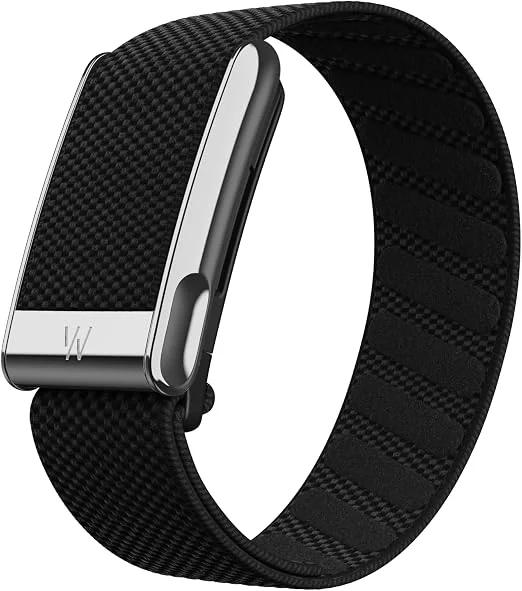
Choose by use case
- WHOOP 5.0/MG — LifePowerful, But CommittedBest for: Training and recovery coaching without a screen.Best if daily coaching is the reason you are buying a wearable.Our full reviewPrices change often; use the retailer link for the current price.
-
 Oura Ring 5Strong, But ExpensiveBest for: Sleep and recovery trends in a discreet ring.Best ring-shaped insight layer if the membership fits.Our full reviewPrices change often; use the retailer link for the current price.
 -
 Google Fitbit AirPromising ValueBest for: A lower-cost experiment with screenless sleep and activity tracking.Best starting point if the Google health ecosystem and premium terms fit.Our full reviewPrices change often; use the retailer link for the current price.
How we'd choose
| Pick | Our call | Buy it for | The catch |
|---|---|---|---|
| WHOOP 5.0/MG — Life | Powerful, But Committed | Training and recovery coaching without a screen. | — |
| Oura Ring 5 | Strong, But Expensive | Sleep and recovery trends in a discreet ring. | — |
| Google Fitbit Air | Promising Value | A lower-cost experiment with screenless sleep and activity tracking. | — |
-
WHOOP 5.0/MG — Life
- Our call
- Powerful, But Committed
- Buy it for
- Training and recovery coaching without a screen.
- The catch
- —
-
Oura Ring 5
- Our call
- Strong, But Expensive
- Buy it for
- Sleep and recovery trends in a discreet ring.
- The catch
- —
-
Google Fitbit Air
- Our call
- Promising Value
- Buy it for
- A lower-cost experiment with screenless sleep and activity tracking.
- The catch
- —
As an Amazon Associate, we may earn from qualifying purchases.
The question is not simply which screenless wearable has the longest feature list. It is which one fits the way you want to use health data.
WHOOP 5.0 is a coaching-first system built around Sleep, Strain, Recovery, and daily decisions. Oura Ring 5 is a discreet ring focused on sleep, readiness, stress, and long-term health trends. Google Fitbit Air is the accessible entry point for someone who wants tracking without another bright screen on the wrist.
This is a side-by-side call on which one is actually worth it. Prices, plan access, compatibility, sellers, battery claims, and premium features can change.
Quick answer
- Choose WHOOP 5.0 if you want training and recovery coaching, will open the app regularly, and accept a membership-centered product. Read the WHOOP 5.0 review first.
- Choose Oura Ring 5 if a discreet ring and detailed sleep and readiness trends matter more than live workout data. Read the Oura Ring 5 review for the cost breakdown.
- Choose Fitbit Air if you want the least expensive way to experiment with screenless tracking and do not need a display. Read the Fitbit Air review for the current open questions.
At-a-glance comparison
| Wearable | Form factor | Battery claim | Best fit | Main friction |
|---|---|---|---|---|
| WHOOP 5.0 | Screenless band | 14+ days listed | Training and recovery coaching | $359 Life snapshot and tiered membership |
| Oura Ring 5 | Smart ring | 6–9 days | Sleep and readiness trends | Hardware cost plus membership |
| Fitbit Air | Screenless band | Up to about a week | Lower-cost entry | Check premium terms and newer ecosystem |
WHOOP 5.0: the coach on your phone
WHOOP is the most opinionated product here. It does not try to be a smartwatch. The current Life listing describes a screenless wearable with 14+ days of battery life, a Wireless PowerPack, Sleep, Strain, Recovery, VO2 max, stress, heart-rate, and menstrual-cycle insights, plus personalized coaching.
The appeal is the framework. Instead of asking the buyer to interpret a dozen charts, WHOOP tries to turn the data into a daily recommendation about training, rest, and sleep. That can be genuinely useful for someone who trains consistently and wants recovery to influence the plan.
The cost is the commitment. The Amazon Life listing checked September 5, 2026 showed $359 for 12 months, while One and Peak were displayed at different prices. The buyer needs to compare the current plans and confirm that the feature motivating the purchase is included in the selected tier.
WHOOP is the strongest option here for readers who want a coaching system. It is the weakest option for anyone who wants a one-time purchase or only basic totals.
Oura Ring 5: the discreet insight layer
Oura takes the same screenless idea in a different direction. The ring is designed to disappear on the finger, and the app emphasizes sleep, readiness, stress, activity, temperature, and long-term trends rather than training load alone.
The Ring 5’s smaller design and six-to-nine-day battery target make it attractive to sleep-first buyers. It is also the most jewelry-like option of the three, which can make continuous wear feel less like wearing sports equipment.
The catch is total cost. The ring starts at $399 before premium finishes and the membership. That is a reasonable purchase for someone who uses the insight layer every morning, but it is a poor fit for anyone who dislikes paying for detailed features after buying the hardware.
Oura is the best match when the reader wants a quiet health trend companion, not a live workout screen or a training plan that responds to daily Strain.
Fitbit Air: the low-risk experiment
Fitbit Air is the easiest recommendation for someone who is curious about screenless tracking but does not want to spend several hundred dollars. The current review tracks a $99.99 starting price, up to about a week of battery life, sleep and activity features, and compatibility with both iPhone and Android.
The tradeoff is that Fitbit Air is also the least expensive way into a newer ecosystem. The hardware price is approachable, but the current Google Health and premium coaching terms should be checked before checkout. If the reader needs live workout numbers, maps, notifications, or a mature all-in-one smartwatch, a screenless band is the wrong category anyway.
Fitbit Air is the best choice for a curious first-time buyer. It is not automatically the best choice for someone who already knows they want deep recovery coaching.
Which one is best for training?
WHOOP has the clearest training story. Strain and Recovery are central to the product, and the app is built around deciding whether the next session should be hard, moderate, or restorative.
Oura can still be useful for athletes who care about sleep and readiness, but it is less explicitly a training-load platform. Fitbit Air is the least specialized for serious training decisions; its advantage is low friction and lower entry cost.
None of these devices replaces good judgment, a qualified coach, or medical care. Recovery scores are consumer signals, not diagnoses. Persistent fatigue, unusual symptoms, or a concerning heart rhythm belongs with a healthcare professional.
Which one is the best value?
The best value depends on the buyer’s failure mode:
- If you stop wearing watches because they are distracting, WHOOP’s screenless design may improve consistency—but only if you use its coaching.
- If you want a discreet sleep and recovery record, Oura’s ring form factor may justify the higher hardware cost.
- If you are unsure whether you will wear anything consistently, Fitbit Air is the least expensive experiment.
Avoid comparing only the first price shown. WHOOP and Oura both make the software layer part of the product, and Fitbit’s premium terms may change what the lowest hardware price actually includes. Calculate the first-year cost, identify the features you will use, and then check the current seller, return policy, and membership terms.
Final verdict
WHOOP 5.0 is the coaching-first choice. Oura Ring 5 is the strongest discreet insight-first ring. Fitbit Air is the easiest low-cost starting point.
The right purchase depends on what the reader wants the device to do after the novelty wears off. Choose WHOOP when daily training guidance is the point. Choose Oura when sleep and long-term trends are the point. Choose Fitbit Air when the goal is to find out whether screenless tracking will become a habit at all.
This page is educational product research, not medical advice. We may earn a commission from the tagged Amazon links, at no extra cost to you. No WWIL-specific WHOOP, Oura, or Fitbit customer code is currently verified.
Compare all of these with Garmin CIRQA and Garmin Index in our screenless tracker guide →
-
WHOOP 5.0/MG — Life
Powerful, But Committed · Training and recovery coaching without a screen.
-
Oura Ring 5
Strong, But Expensive · Sleep and recovery trends in a discreet ring.
-
Google Fitbit Air
Promising Value · A lower-cost experiment with screenless sleep and activity tracking.
As an Amazon Associate, we may earn from qualifying purchases.
Frequently asked questions
Is WHOOP better than Oura Ring 5?
Is Fitbit Air a good alternative to WHOOP or Oura?
Which one has the best battery life?
Which wearable has the lowest total cost?
What should you still check before you buy?
Affiliate disclosure
Some links on this page may be affiliate links — we may earn a commission if you buy through them, at no extra cost to you. We only recommend products we think are worth considering. Verdicts are not influenced by commissions.
Health disclaimer
This content is for informational purposes only and is not medical advice. Talk to a qualified professional before starting new supplements, treatments, or major health changes.