Google Fitbit Air review: is the screenless tracker worth it?
Listed price $99.99 Recorded price snapshot. Confirm the final total at checkout.
Check current price on Amazon →We may earn a commission if you buy through our links or codes.
A smart direction for people who want useful health data without another bright screen on their wrist. The hardware looks compelling; the long-term value depends on Google Health and its premium layer.
Our verdict
A smart direction for people who want useful health data without another bright screen on their wrist. The hardware looks compelling; the long-term value depends on Google Health and its premium layer.
As an Amazon Associate, we may earn from qualifying purchases.
Why we landed on Strong Buy
A smart direction for people who want useful health data without another bright screen on their wrist. The hardware looks compelling; the long-term value depends on Google Health and its premium layer.
Who we'd buy it for People who want sleep and activity tracking but do not want a miniature phone competing for their attention.
Who we'd tell to skip it You need a built-in display, standalone GPS, extensive smartwatch apps, or a completely subscription-free experience.
The part we will not talk past A screenless tracker cannot replace a smartwatch for live workout stats, maps, or notifications.
Pros
- Screenless design removes the notification loop that makes many watches exhausting.
- Up to seven days of battery life is much more practical than a daily-charging smartwatch.
- The $99.99 starting price makes it an accessible entry into Fitbit's newer Google Health experience.
- Works with Android and iPhone, rather than locking the product to one phone brand.
Cons
- A screenless tracker cannot replace a smartwatch for live workout stats, maps, or notifications.
- The most ambitious coaching features sit behind Google Health Premium after the trial.
- Early buyers are also early software adopters; app polish and availability matter as much as the band.
We’d buy the Google Fitbit Air if you want sleep and activity tracking without a miniature phone on your wrist. We’d skip it if you need a built-in display, standalone GPS, extensive smartwatch apps, or a completely subscription-free experience. A screenless tracker cannot show live workout stats, and the most ambitious coaching sits behind Google Health Premium after the trial.
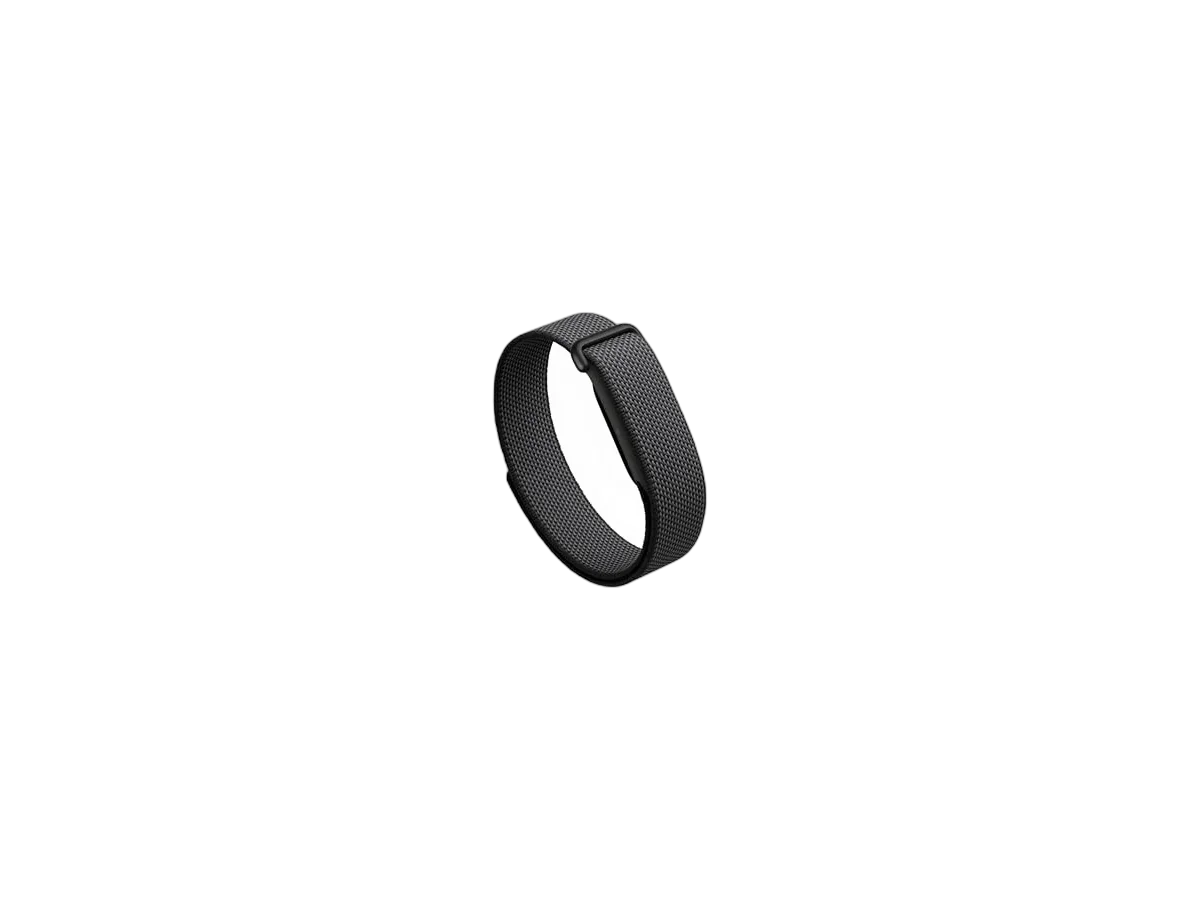
The Google Fitbit Air is easy to understand in one sentence: it is a Fitbit for people who are tired of wearing a tiny screen.
That sounds like a small distinction until you think about why people stop wearing fitness trackers. Sometimes the problem is comfort. Often it is the constant buzz, glow, and temptation to check one more notification. A screenless tracker makes a different trade: you give up instant information in exchange for a device that can disappear into the background.
This is our review rather than a hands-on test. Google announced Fitbit Air in May 2026 with a $99.99 starting price, up to seven days of battery life, sleep and activity tracking, and a three-month Google Health Premium trial. Early coverage has focused on the same question buyers are likely to ask: is a simpler wearable actually more useful than a smartwatch?
What Fitbit Air is trying to fix
The Fitbit Air is not competing with the Apple Watch feature for feature. It does not need to win on apps, notifications, maps, or an elaborate workout screen. Its job is narrower: stay comfortable, collect useful data, and avoid demanding attention.
That makes the screenless form a feature rather than a missing feature. You can still get activity, heart-rate, sleep, and recovery-oriented information in the Google Health app. You just do not get the immediate feedback on your wrist. For someone who checks a phone between sets anyway, that may not matter. For a runner who needs pace and distance in real time, it matters a lot.
The battery and price are the strongest arguments
At $99.99, Fitbit Air is priced like an approachable accessory instead of a serious smartwatch. The advertised seven-day battery life also removes one of the most annoying parts of health tracking: remembering whether the tracker is charged before bed.
The catch is that the low entry price does not necessarily represent the full cost of the experience. Google includes a trial of Health Premium, but the more personalized coaching features are tied to that paid layer after the trial. That does not make the Air a bad buy, but it changes the question from “Is this a $100 tracker?” to “Will I keep paying for the software?”
Fitbit Air vs. Fitbit Charge 6
The comparison is simple. Choose Fitbit Air if you want the device to stay out of your way. Choose Charge 6 if you want to see workout information without reaching for your phone and you prefer a more traditional band-style tracker.
The Charge 6 is the safer recommendation for people who are not sure what they want from a wearable. The Air is the more interesting product for people who already know they dislike screens. It is a bet on adherence: the best tracker is the one you keep wearing.
For the screen-based option, read the dedicated Fitbit Charge 6 research review →.
Where I would be cautious
The hardware is the easy part to like. The uncertainty is the software and ecosystem. Fitbit Air arrives during a transition into Google’s renamed Health experience, which means early buyers are also buying into a product roadmap. Sync reliability, coaching quality, health insights, and the boundaries of the free versus paid experience will determine whether the Air feels like a bargain or an inexpensive gateway into a subscription.
I would also avoid buying it for medical decisions. Consumer wearables can help you notice trends, but they are not a substitute for clinical testing or professional advice. A sleep score is a prompt to investigate your routine, not a diagnosis.
Final verdict
The Google Fitbit Air is a promising product because it understands the real reason many people abandon wearables: they become too present. The screenless design, approachable price, and long battery life all point in the right direction.
The recommendation is strongest for people who want passive tracking and weakest for people who want an on-wrist computer. I would buy it for the simpler form factor, but I would make the purchase with eyes open about Google Health Premium and the fact that the long-term software experience is still the part we need to watch.
Editorial take: Promising.
This review is based on official product information and early coverage, not hands-on testing. Scores and verdicts will be updated if we test Fitbit Air over a longer period.
Who it's for
People who want sleep and activity tracking but do not want a miniature phone competing for their attention.
Who should skip it
You need a built-in display, standalone GPS, extensive smartwatch apps, or a completely subscription-free experience.
In this review
- Google Fitbit AirLaunch pricing was checked August 3, 2026. Prices and availability can change.Prices change often; use the retailer link for the current price.
-
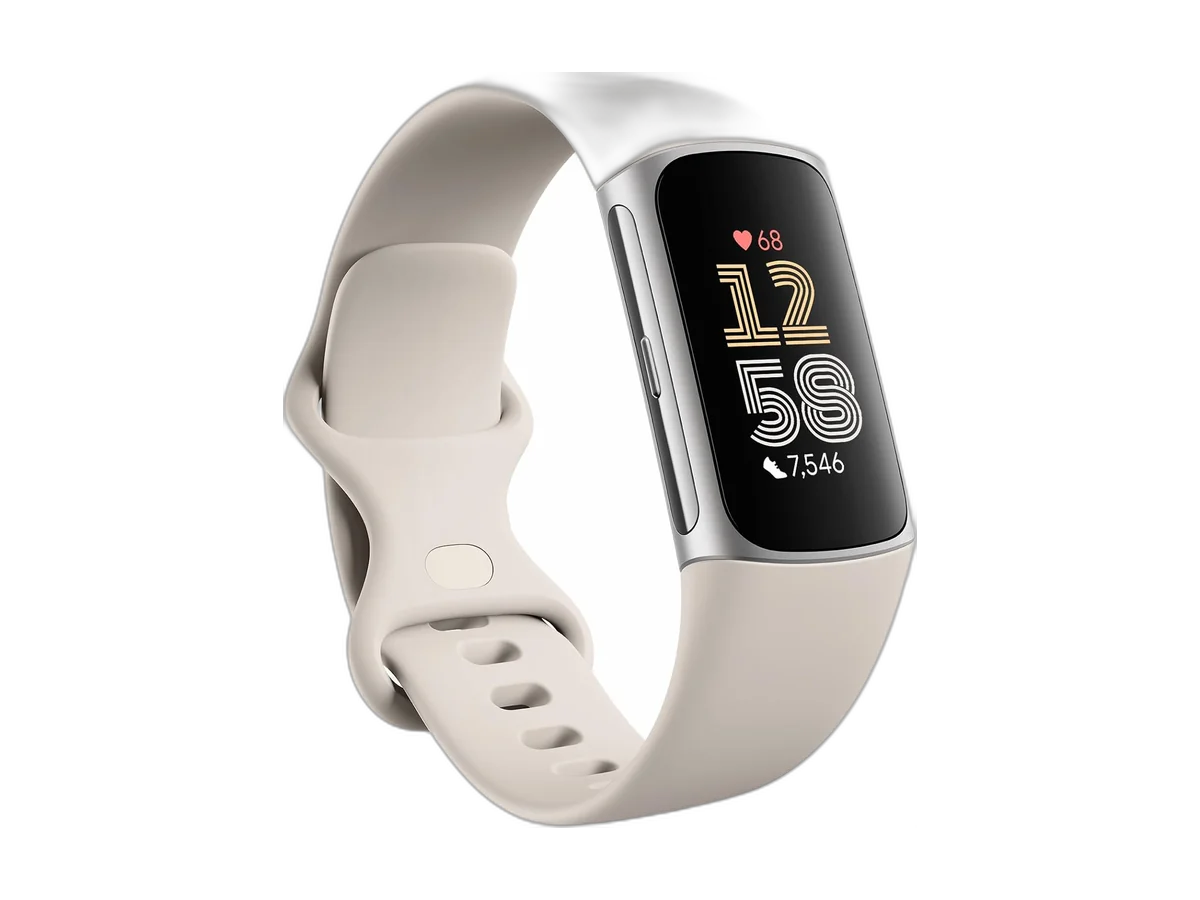 Fitbit Charge 6The better fit if you want a screen and on-device workout feedback. This alternative now uses the current Charge 6 listing tracked by the dedicated review and comparison guide.Prices change often; use the retailer link for the current price.
Google Fitbit Air
Strong Buy
A smart direction for people who want useful health data without another bright screen on their wrist. The hardware looks compelling; the long-term value depends on Google Health and its premium layer.
As an Amazon Associate, we may earn from qualifying purchases.
Frequently asked questions
Is the Google Fitbit Air worth it?
Does Fitbit Air have a screen?
How long does Fitbit Air battery last?
Does Fitbit Air work with iPhone?
Affiliate disclosure
Some links on this page may be affiliate links — we may earn a commission if you buy through them, at no extra cost to you. We only recommend products we think are worth considering. Verdicts are not influenced by commissions.
Health disclaimer
This content is for informational purposes only and is not medical advice. Talk to a qualified professional before starting new supplements, treatments, or major health changes.