Therabody WaveRoller review: is the vibrating foam roller worth $179.99?
We may earn a commission if you buy through this link.
Therabody's WaveRoller adds five vibration settings, a grippy wave texture, and app-guided routines to a foam roller. Here is who gets enough from the upgrade—and who should buy a simpler roller instead.
Our verdict
The WaveRoller is a meaningful upgrade for people who already use foam rollers and want adjustable vibration and guided routines. For a first roller, its $179.99 price makes a basic high-density roller the better value.
As an Amazon Associate, we may earn from qualifying purchases.
Why we landed on Strong Buy
The WaveRoller is a meaningful upgrade for people who already use foam rollers and want adjustable vibration and guided routines. For a first roller, its $179.99 price makes a basic high-density roller the better value.
Who we'd buy it for People who already roll regularly and want adjustable vibration for larger muscle groups.
Who we'd tell to skip it You are buying your first foam roller, mainly want the lowest-cost option, or prefer a quiet tool with no charging.
The part we will not talk past The $179.99 official price is a lot for a tool whose core job a basic roller can also handle.
Pros
- Five vibration intensity settings give the user more control than a fixed roller.
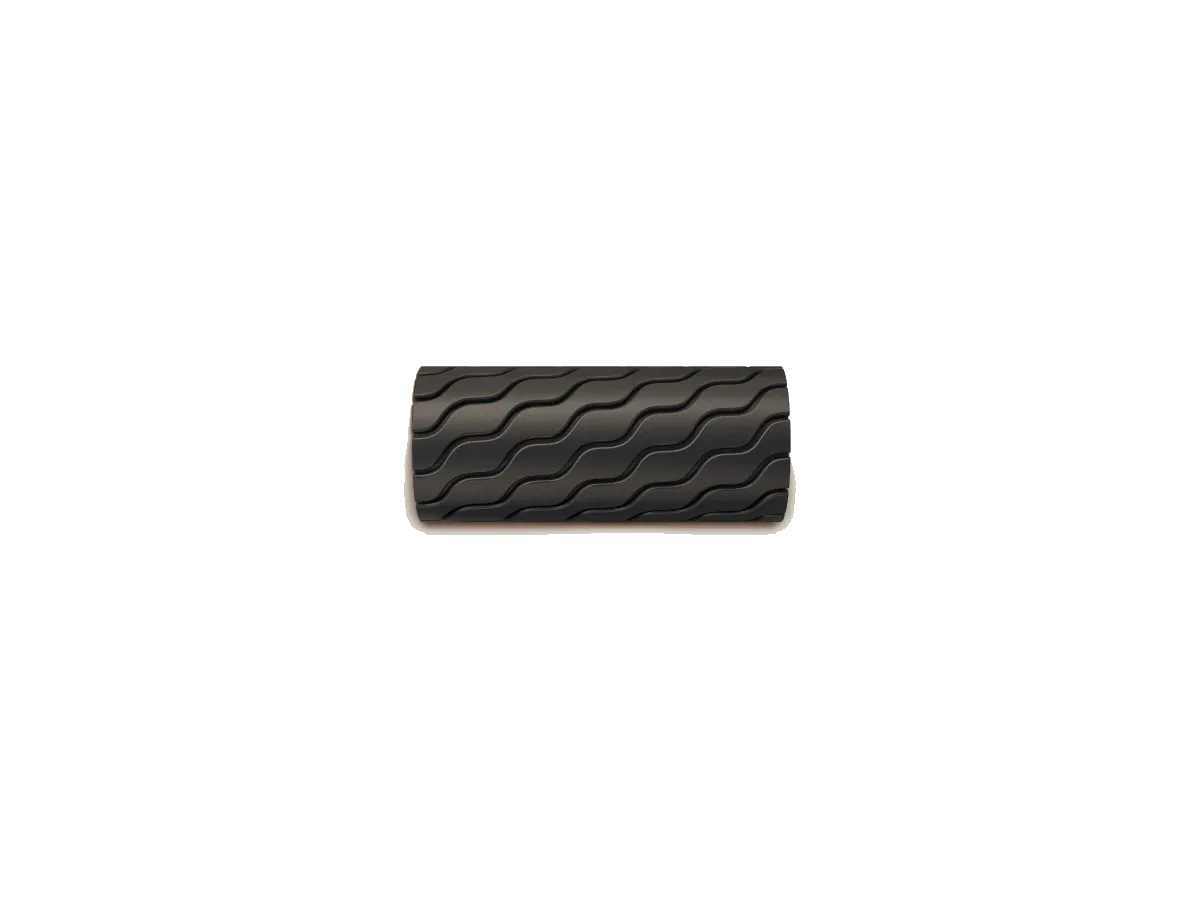
- High-density EVA foam and a wave texture create a more deliberate rolling surface.
- Bluetooth app support adds guided routines and device control.
- A carrying bag, 180-minute battery claim, and one-year limited warranty make the format easier to own.
Cons
- The $179.99 official price is a lot for a tool whose core job a basic roller can also handle.
- Vibration and textured foam can feel too intense around sensitive areas or for first-time users.
- The 3.3-pound body is portable, but it is not the lightest roller to carry.
- App features are helpful only if the buyer actually wants guided routines.
We’d buy the WaveRoller if you already roll regularly and want adjustable vibration and guided routines for larger muscle groups. We’d skip it if you are buying your first foam roller, mainly want the lowest-cost option, or prefer a quiet tool with no charging. At $179.99, a basic high-density roller is the better value for a first roller.
Therabody’s current official WaveRoller page lists a $179.99 price, five vibration settings, Bluetooth app control, 180 minutes of battery life, a 3.3-pound weight, and a one-year limited warranty. Those details explain the premium. They do not prove that every body will find the pressure comfortable or that the app will become part of a lasting routine.
The upgrade is vibration, not the basic roller job
The underlying movement is still familiar: place the roller under a muscle group, control the amount of body weight you put into it, and move slowly enough to notice where the pressure is useful. You can do that with a $30 roller.
The WaveRoller’s difference is the extra layer. Therabody says its high-density EVA foam, wave texture, and vibration are designed to reduce tension, support mobility, and make rolling more comfortable. I would treat those as product-positioning claims rather than a promise of faster recovery. The practical question is whether vibration makes you more likely to use the tool without turning the session into an endurance test.
Five settings are better than one aggressive setting
Fixed vibration is an easy way to make a recovery tool feel like a gadget. Five intensity settings are more useful because a user can start low and adjust the experience for a warm-up, a post-workout session, or a muscle group that does not want deep pressure.
That control still has limits. A vibrating roller is broad, firm, and user-directed. It is not a substitute for a clinician’s assessment, and more intensity is not automatically better. Use the manufacturer’s precautions and contraindications, avoid rolling directly over areas that should not receive pressure, and stop if the tool causes pain, numbness, or unusual symptoms.
The app could help—or become another abandoned feature
Bluetooth connectivity lets the WaveRoller work with Therabody’s app and guided Wave Series routines. That is a reasonable convenience for someone who likes being told what to do. It is less valuable for an experienced user who already has a short sequence and does not want to charge, pair, or open another app.
The same logic applies to the carrying bag and battery. They make the roller easier to move and use in different rooms, but they also turn a simple piece of foam into a $179.99 electronic device. A basic roller wins on simplicity, price, and readiness.
Who should pay the premium
The WaveRoller makes the most sense as a second-step purchase. If you already roll several times a week and want more control over pressure and vibration, the higher price has a clear reason behind it. If the alternative is buying a roller that will sit in a closet, spend less first and prove the habit.
It is also a better fit for people who work with larger areas—back, glutes, hamstrings, and quads—than for buyers searching for a precision tool. A massage gun or small mobility ball is better for targeted work; the WaveRoller is about broad contact and a steady pace.
Final verdict
Strong Buy for committed rollers. The WaveRoller is not a magic recovery device, but it is a thoughtfully specified premium roller with a real reason to exist. The five intensity levels, grippy texture, app support, and practical battery claim make it more compelling than a generic vibrating cylinder.
The value case depends on habit. Buy it if you already know you will roll and want the upgraded experience. Start with a basic high-density roller if you are still deciding whether rolling belongs in your week.
Read the official WaveRoller specifications, then check the current Amazon listing for the live seller, price, stock, and return terms.
Who it's for
People who already roll regularly and want adjustable vibration for larger muscle groups.
Who should skip it
You are buying your first foam roller, mainly want the lowest-cost option, or prefer a quiet tool with no charging.
In this review
- Therabody WaveRollerTherabody's official page checked September 4, 2026 lists five vibration settings, Bluetooth app control, 180 minutes of battery life, a 3.3-pound weight, a carrying bag, and a one-year limited warranty. Confirm the current Amazon seller, price, stock, and returns before buying.Prices change often; use the retailer link for the current price.
Therabody WaveRoller
Strong Buy
The WaveRoller is a meaningful upgrade for people who already use foam rollers and want adjustable vibration and guided routines. For a first roller, its $179.99 price makes a basic high-density roller the better value.
As an Amazon Associate, we may earn from qualifying purchases.
Frequently asked questions
Is the Therabody WaveRoller worth it?
What does the WaveRoller include?
How long does the WaveRoller battery last?
Is the WaveRoller a massage gun?
What should you still check before you buy?
Affiliate disclosure
Some links on this page may be affiliate links — we may earn a commission if you buy through them, at no extra cost to you. We only recommend products we think are worth considering. Verdicts are not influenced by commissions.
Health disclaimer
This content is for informational purposes only and is not medical advice. Talk to a qualified professional before starting new supplements, treatments, or major health changes.