Cobra OPTM driver review: LS vs X vs MAX-K vs MAX-D in 2026
Compare picks & prices ↓Choose the OPTM LS for low-spin control, the OPTM X for a forgiving middle ground, the MAX-K for mishits, and the MAX-D if you miss right.
We may earn a commission from our links or codes.
Choose by use case
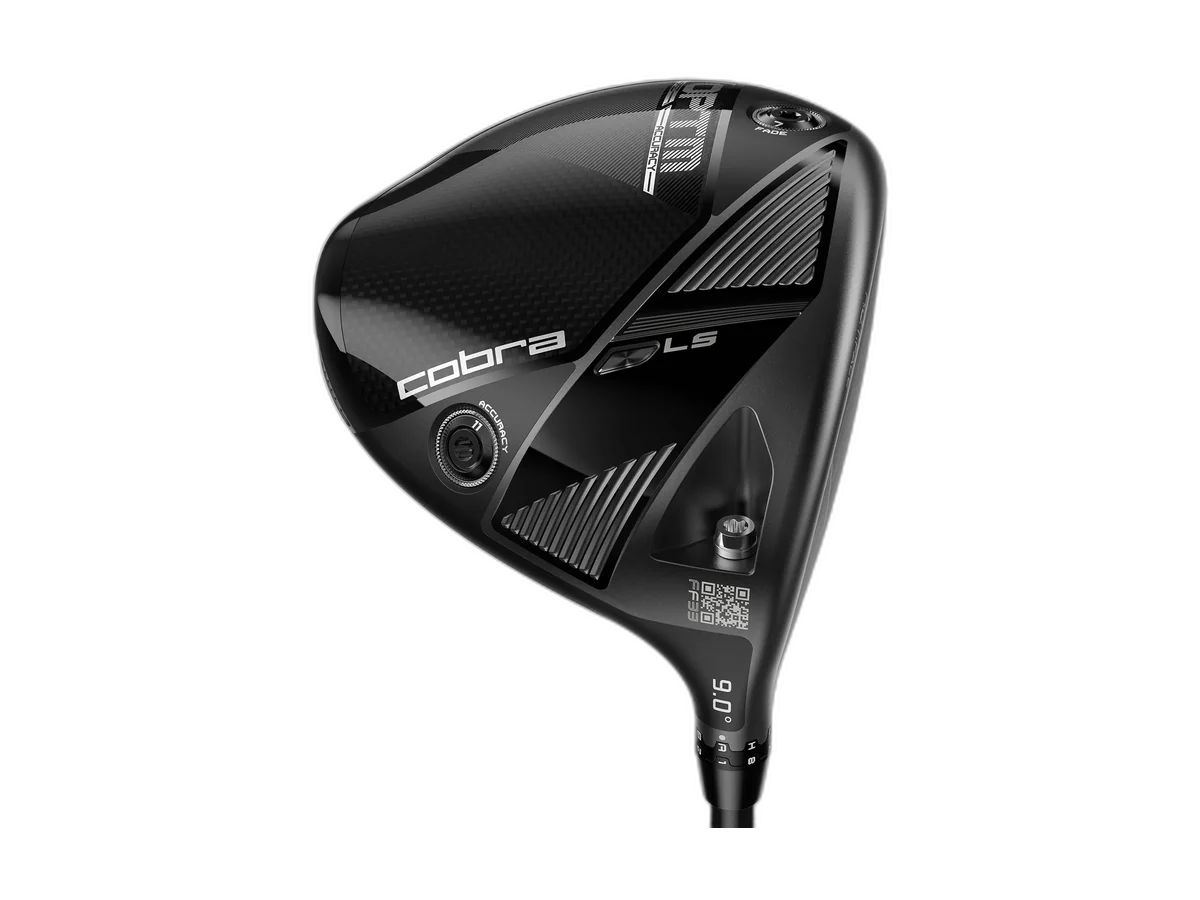
- Cobra OPTM LS DriverBest for: Golfers who want a compact, low-spin driver and already have a reasonably consistent strike pattern.The control-first option in the lineup, with a compact 460cc shape and low-spin positioning.Our full review$599 catalog price shown on the official Cobra Golf page when checked September 5, 2026Price snapshot: September 5, 2026Prices change often; use the retailer link for the current price.
-
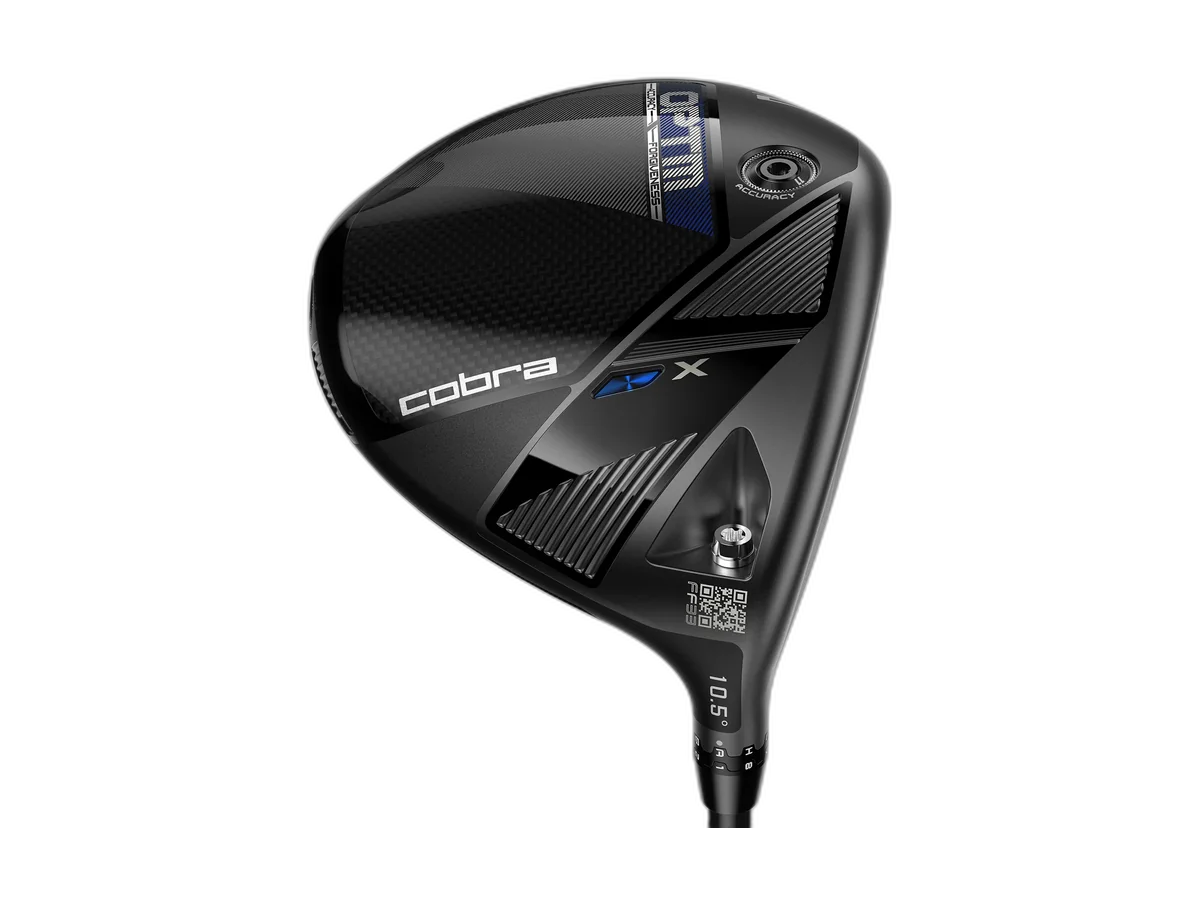 Cobra OPTM X DriverBest for: Golfers who want a more traditional head shape with a balance of accuracy and forgiveness.The middle-ground OPTM choice when the golfer wants forgiveness without moving all the way to the oversize MAX models.Our full review$599 catalog price shown on the official Cobra Golf collection when checked September 5, 2026Price snapshot: September 5, 2026Prices change often; use the retailer link for the current price.
 -
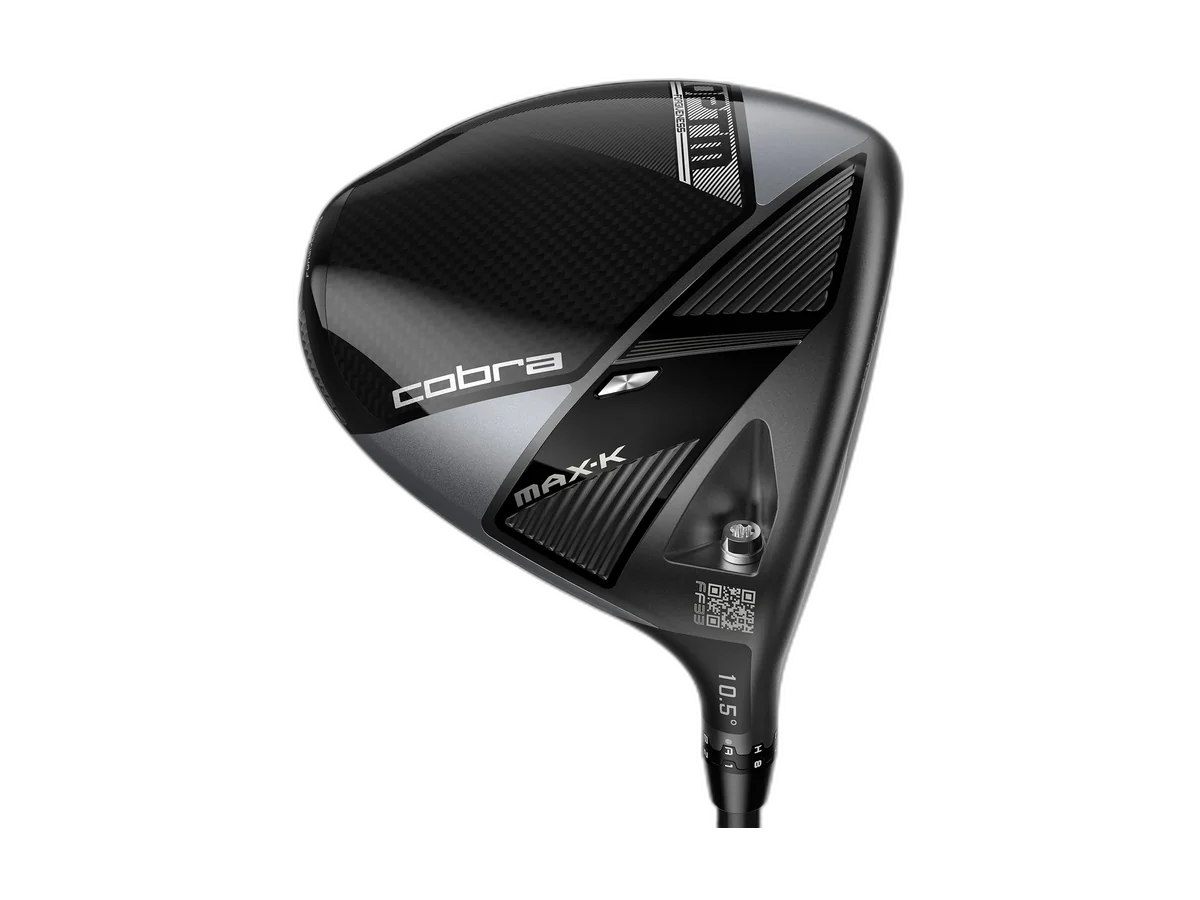 Cobra OPTM MAX-K DriverBest for: Golfers who prioritize maximum stability and forgiveness on off-center strikes.The stability-first choice for golfers who want Cobra's highest-MOI OPTM positioning.Our full review$599 catalog price shown on the official Cobra Golf collection when checked September 5, 2026Price snapshot: September 5, 2026Prices change often; use the retailer link for the current price.
 -
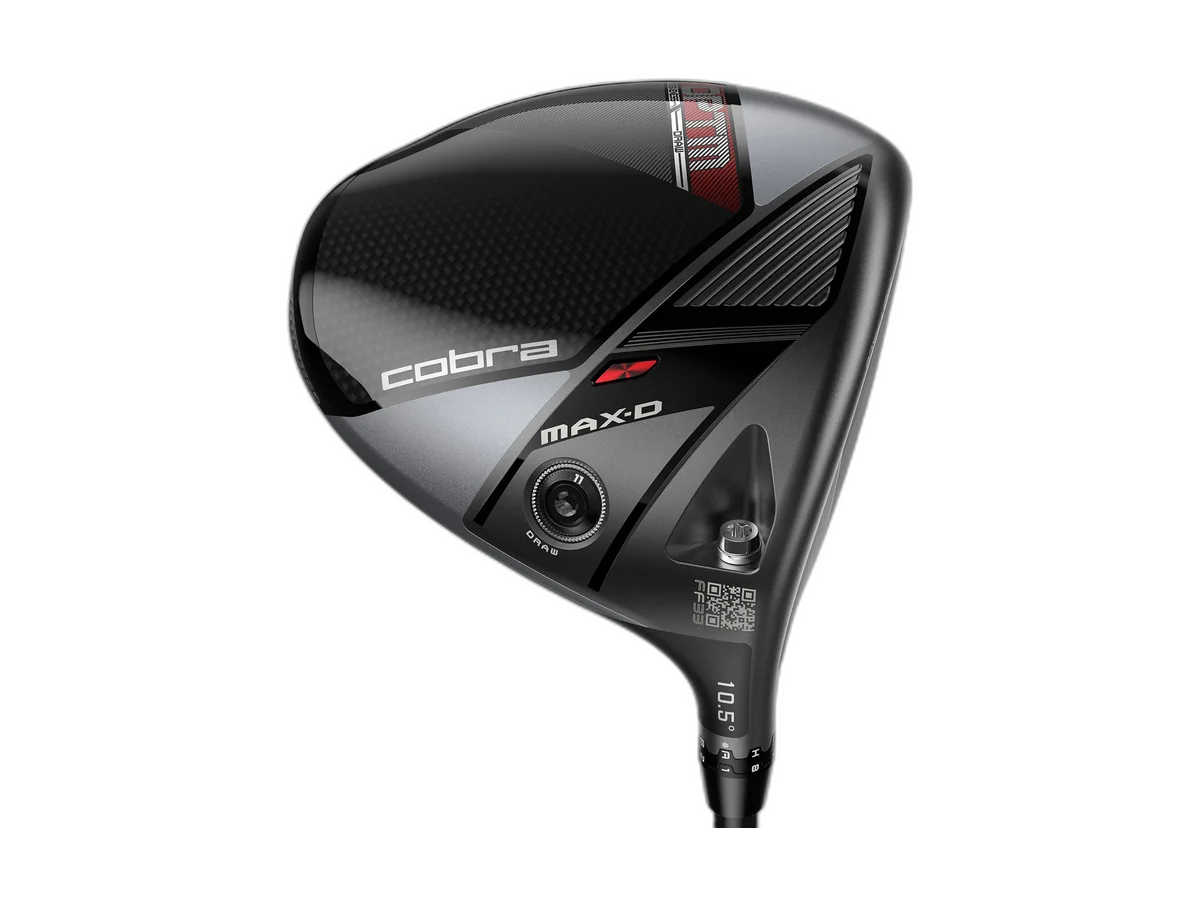 Cobra OPTM MAX-D DriverBest for: Golfers who fight a slice and want a draw-biased, stability-focused driver to test with a fitter.The most targeted choice in the lineup: maximum stability with a draw-biased design for a known right-miss pattern.Our full review$599 catalog price shown on the official Cobra Golf collection when checked September 5, 2026Price snapshot: September 5, 2026Prices change often; use the retailer link for the current price.
 -
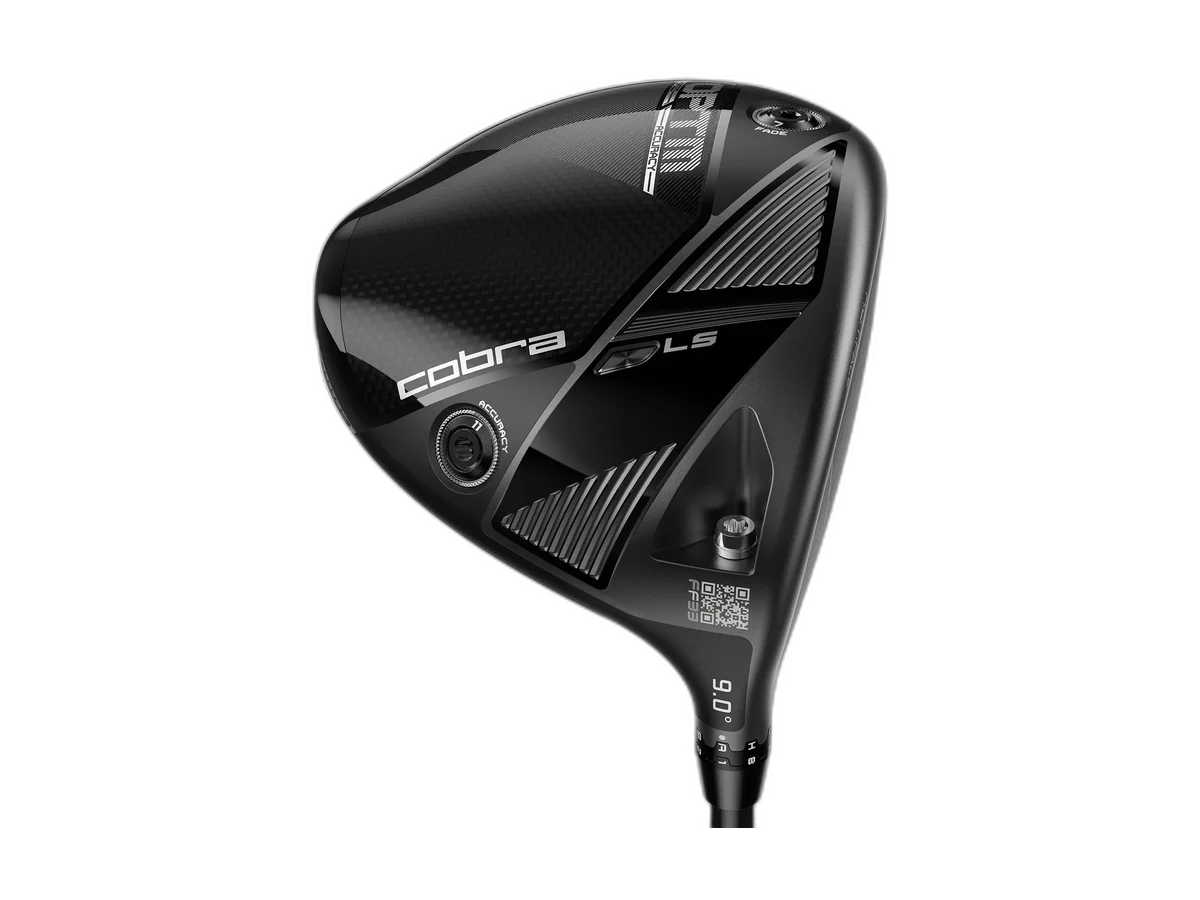 Cobra OPTM LS Tour Length DriverBest for: Golfers who want the LS head's control profile with a shorter build and can confirm the custom configuration.A specialist shorter-build alternative for golfers who know a shorter driver length improves their delivery.Our full review$599 catalog price shown on the official Cobra Golf collection when checked September 5, 2026Price snapshot: September 5, 2026Prices change often; use the retailer link for the current price.
How we'd choose
| Pick | Our call | Buy it for | The catch |
|---|---|---|---|
| Cobra OPTM LS Driver | The control-first option in the lineup, with a compact 460cc shape and low-spin positioning. | Golfers who want a compact, low-spin driver and already have a reasonably consistent strike pattern. | — |
| Cobra OPTM X Driver | The middle-ground OPTM choice when the golfer wants forgiveness without moving all the way to the oversize MAX models. | Golfers who want a more traditional head shape with a balance of accuracy and forgiveness. | — |
| Cobra OPTM MAX-K Driver | The stability-first choice for golfers who want Cobra's highest-MOI OPTM positioning. | Golfers who prioritize maximum stability and forgiveness on off-center strikes. | — |
| Cobra OPTM MAX-D Driver | The most targeted choice in the lineup: maximum stability with a draw-biased design for a known right-miss pattern. | Golfers who fight a slice and want a draw-biased, stability-focused driver to test with a fitter. | — |
| Cobra OPTM LS Tour Length Driver | A specialist shorter-build alternative for golfers who know a shorter driver length improves their delivery. | Golfers who want the LS head's control profile with a shorter build and can confirm the custom configuration. | — |
-
Cobra OPTM LS Driver
- Our call
- The control-first option in the lineup, with a compact 460cc shape and low-spin positioning.
- Buy it for
- Golfers who want a compact, low-spin driver and already have a reasonably consistent strike pattern.
- The catch
- —
-
Cobra OPTM X Driver
- Our call
- The middle-ground OPTM choice when the golfer wants forgiveness without moving all the way to the oversize MAX models.
- Buy it for
- Golfers who want a more traditional head shape with a balance of accuracy and forgiveness.
- The catch
- —
-
Cobra OPTM MAX-K Driver
- Our call
- The stability-first choice for golfers who want Cobra's highest-MOI OPTM positioning.
- Buy it for
- Golfers who prioritize maximum stability and forgiveness on off-center strikes.
- The catch
- —
-
Cobra OPTM MAX-D Driver
- Our call
- The most targeted choice in the lineup: maximum stability with a draw-biased design for a known right-miss pattern.
- Buy it for
- Golfers who fight a slice and want a draw-biased, stability-focused driver to test with a fitter.
- The catch
- —
-
Cobra OPTM LS Tour Length Driver
- Our call
- A specialist shorter-build alternative for golfers who know a shorter driver length improves their delivery.
- Buy it for
- Golfers who want the LS head's control profile with a shorter build and can confirm the custom configuration.
- The catch
- —
The Cobra OPTM lineup is easier to understand when the names are treated as fitting directions rather than a simple good-better-best ladder. The LS is the control-first model, the X is the balanced option, MAX-K puts the emphasis on stability, and MAX-D targets a draw-biased setup for a golfer who fights a slice.
Choose the OPTM LS for low-spin control, the OPTM X for a more forgiving middle, the MAX-K when mishits are the problem, and the MAX-D if you miss right. We did not hit these drivers, so launch and feel still depend on your swing. Confirm loft and the live price.
Quick answer
For a golfer who already knows the miss pattern, the model choice is fairly direct:
- Choose the OPTM LS when low spin, a compact shape, and control are the priority.
- Choose the OPTM X when you want a traditional-looking head with a more forgiving middle ground.
- Choose the OPTM MAX-K when stability and forgiveness on off-center strikes matter most.
- Choose the OPTM MAX-D when a consistent slice or right miss makes draw bias worth testing.
- Choose the LS Tour Length when you specifically want the LS profile in a shorter 44.50-inch build.
The models are all listed at a $599 catalog price on the current official lineup. That makes fitting and role more important than trying to save money by choosing the wrong head. A driver that matches the delivery is more valuable than a driver with the most impressive-sounding label.
Cobra OPTM driver lineup at a glance
| Model | Cobra’s current positioning | Loft options shown | Best starting point |
|---|---|---|---|
| OPTM LS | Compact, low spin, control and precision | 9.0°, 10.5° | A golfer with a reasonably consistent strike who wants a control-first setup |
| OPTM X | Traditional shape with added forgiveness | 9.0°, 10.5° | A golfer who wants a balanced all-around comparison |
| OPTM MAX-K | Oversize, highest-MOI stability and forgiveness | 9.0°, 10.5°, 12.0° | A golfer who wants to preserve speed and stability across the face |
| OPTM MAX-D | Oversize, draw-biased stability | 9.0°, 10.5°, 12.0° | A golfer with a known slice or right-miss pattern |
| OPTM LS Tour Length | LS control profile with a shorter build | Confirm live custom options | A golfer who has a fitting reason for a shorter driver |
All five links above point to the corresponding official Cobra Golf product page. The tracked URLs were checked for HTTP 200 responses and the expected Cobra destination on September 5, 2026.
OPTM LS: the control-first driver
The LS is the model for the golfer who would rather tighten the shot pattern than chase the highest possible launch. Cobra describes it as a compact, low-spin design with a forward center of gravity and a focus on speed, precision, and reduced side spin.
Read the full Cobra OPTM LS Driver research review for the weight system, FutureFit33 settings, Tour Length option, and questions to answer before spending $599.
The official page lists a 460cc head, 9.0° and 10.5° loft options, and a compact shape. It also describes three adjustable weights—11g, 7g, and 3g—with the 11g weight movable between back, heel, and toe positions for neutral, draw-bias, or fade-bias tuning.
That is useful flexibility, but it is not a reason to buy the LS blindly. Low-spin heads can be a poor fit when the golfer already launches the ball too low or does not consistently find the center. The LS is the model to test when the golfer has a clear reason for wanting a more compact, control-led head.
Pick the LS if
- you want a compact 460cc shape at address;
- your launch and spin are currently too high;
- you value a more targeted fitting setup; and
- you are comfortable checking whether the low-spin profile actually keeps the ball in the air.
Skip or test carefully if
- your miss is already a low-launch or low-spin shot;
- you need the most help on off-center contact; or
- you are choosing it only because “LS” sounds faster.
OPTM X: the balanced middle option
The X is the easiest place to start when the golfer wants a conventional driver shape without immediately choosing the most specialized model. Cobra compares it as a traditional-profile 460cc head with low-spin positioning and added forgiveness relative to the LS.
That does not make it a universal answer. It makes it the sensible middle comparison: a golfer can start with the X, then move toward LS if control and spin are the issue or toward MAX-K if stability is the bigger concern.
The X uses the same 9.0° and 10.5° loft range shown for the LS. The practical choice should come from the golfer’s launch window, strike pattern, and visual preference at address rather than the price, which is the same in the current catalog.
Read the full Cobra OPTM X Driver research review for the weight settings, FutureFit33 details, and the questions to answer before spending $599.
OPTM MAX-K: the stability-first option
MAX-K is the model for the golfer who wants Cobra’s strongest forgiveness and stability positioning. Cobra calls it its highest-MOI driver and describes the goal as preserving ball speed and stability on off-center hits.
Read the full Cobra OPTM MAX-K Driver research review for the fixed back weight, loft and shaft options, FutureFit33 settings, and stability-fit questions.
The current comparison lists an oversize 460cc head and 9.0°, 10.5°, and 12.0° loft options. That extra 12.0° choice can make MAX-K the more natural starting point for a golfer who needs help getting the ball higher, although the correct loft still depends on delivery and shaft.
MAX-K is the most broadly appealing model on paper, but “more forgiving” does not mean “automatically longer” for every golfer. A large head can change the way the club looks and moves through the swing, so test the shape and compare actual dispersion before ordering.
OPTM MAX-D: the targeted draw-bias choice
MAX-D is not simply MAX-K with a different letter. Cobra positions it as a draw-biased, stability-focused design intended to help golfers who fight a slice. The current official comparison also lists it as an oversize 460cc head with 9.0°, 10.5°, and 12.0° loft options.
Read the full Cobra OPTM MAX-D Driver research review for the fixed heel weight, live loft-selector caveat, FutureFit33 settings, and slice-fit questions.
This is the most targeted purchase in the group. Draw bias can be helpful when the golfer’s right miss is consistent, but it can be a poor match for someone who already turns the ball over or wants to work the driver both ways.
Treat MAX-D as a fitting direction, not a promise. Shaft profile, face-to-path, strike location, loft, and setup still matter. If the slice is severe, lessons or a fitting may have more impact than a new head alone.
OPTM LS Tour Length: the shorter-build alternative
Cobra offers the LS in a 44.50-inch Tour Length build. Read the full Cobra OPTM LS Tour Length review if you want the shorter-build question separated from the broader lineup comparison.
That makes it relevant for golfers who want the LS head’s control profile but have a clear reason to test a shorter driver length.
Shorter is not automatically straighter, and the custom-build note matters. Confirm the exact shaft, flex, swing weight, head weight, grip, price, and build timing before placing an order. The Tour Length version is most compelling when a fitter has identified a delivery or strike reason for shortening the build.
For a golfer who is simply uncomfortable with a long driver, the right comparison may also include a lesson, a fitting, or a controlled test with the current club cut down temporarily. Do not treat the 44.50-inch length as a guarantee of better contact.
What FutureFit33 and the weights actually add
Cobra describes FutureFit33 as 33 loft-and-lie settings with adjustment up to two degrees in any direction. SMARTPAD is intended to keep the face square as the setting changes. That gives a fitter more ways to tune launch, start direction, and face presentation without changing the head.
The LS page also describes the 11g, 7g, and 3g descending weight system. The heavier weight can be placed in back, heel, or toe positions to change the intended trajectory and bias.
Those features are most useful when they answer a measured question. “I need more launch” or “my start line is too far right” is actionable. “I should try every setting” is not. Check strike, shaft, and delivery before assuming the hosel or weights are the main issue.
Which Cobra OPTM driver should you compare first?
| If your priority is… | Start with… | Why |
|---|---|---|
| Lower spin and a compact look | OPTM LS | The model is explicitly positioned around low-spin control |
| A traditional all-around shape | OPTM X | It is the middle option with added forgiveness over LS |
| Maximum stability | OPTM MAX-K | Cobra positions it as the highest-MOI model |
| Reducing a consistent slice pattern | OPTM MAX-D | Draw bias is the specific design direction |
| A shorter driver length | OPTM LS Tour Length | It is a 44.50-inch LS build listed as custom |
If you do not know your launch, spin, or dispersion, the OPTM X or MAX-K is a reasonable starting point for a fitting conversation, but not a guaranteed recommendation. A launch monitor, demo day, or fitter can usually answer the model question faster than buying and returning multiple $599 drivers.
What to verify before checkout
- Current price, stock, shipping, and custom-build timing.
- Handedness, loft, shaft, flex, length, grip, and swing-weight details.
- Whether the selected model matches the actual miss pattern rather than a marketing category.
- Carry, launch, spin, and dispersion compared with the current driver.
- Return, warranty, and fitting terms for the exact configuration.
- Whether the Tour Length build or a standard length produces the more repeatable strike.
Cobra’s product page states that custom club builds ship in 3–5 business days, but timing can vary by configuration and stock. Confirm the live page before relying on that estimate.
Final verdict
The Cobra OPTM lineup is most useful when the model name matches a real fitting need. Choose LS for control and low spin, X for the balanced middle ground, MAX-K for maximum stability, MAX-D for a known slice pattern, and Tour Length only when a shorter build has a reason behind it.
If you are comparing the current lineup with Cobra’s sale-priced prior generation, see the Cobra DS-ADAPT vs OPTM driver comparison. If the gap in your bag is below the driver, see the Cobra OPTM fairway wood comparison: LS vs X vs MAX.
At the same $599 catalog price, there is little reason to choose by prestige. Test the head that matches your miss, confirm the live configuration, and use a fitting or demo session before treating any manufacturer claim as a personal result. For the specialized mini-driver alternative, see the Cobra KING TEC Mini Driver review. Well Worth It Lab may earn a commission from this links above, at no additional cost to the buyer.
-
Cobra OPTM LS Driver
Golfers who want a compact, low-spin driver and already have a reasonably consistent strike pattern.
-
Cobra OPTM X Driver
Golfers who want a more traditional head shape with a balance of accuracy and forgiveness.
-
Cobra OPTM MAX-K Driver
Golfers who prioritize maximum stability and forgiveness on off-center strikes.
-
Cobra OPTM MAX-D Driver
Golfers who fight a slice and want a draw-biased, stability-focused driver to test with a fitter.
-
Cobra OPTM LS Tour Length Driver
Golfers who want the LS head's control profile with a shorter build and can confirm the custom configuration.
Frequently asked questions
Which Cobra OPTM driver should I buy?
What is the difference between the Cobra OPTM LS, X, MAX-K, and MAX-D?
How much does a Cobra OPTM driver cost?
What is FutureFit33 on the Cobra OPTM drivers?
Is the Cobra OPTM MAX-D a cure for a slice?
What should you still check before you buy?
Affiliate disclosure
Some links on this page may be affiliate links — we may earn a commission if you buy through them, at no extra cost to you. We only recommend products we think are worth considering. Verdicts are not influenced by commissions.