Best control pickleball paddles (2026): the ones that win at the kitchen
Compare picks & prices ↓Control is a 16mm core, a widebody shape, and high twistweight — not a marketing word. The paddles that reset, dink, and place the ball where you aimed.
We may earn a commission from our links or codes.
Promo code PRH 11SIX24: Save $10 11SIX24 discount code details →
Promo code PRH Enhance: Save $20 Enhance discount code details →
Promo code PRH Honolulu: Save 10% Honolulu discount code details →
Choose by use case
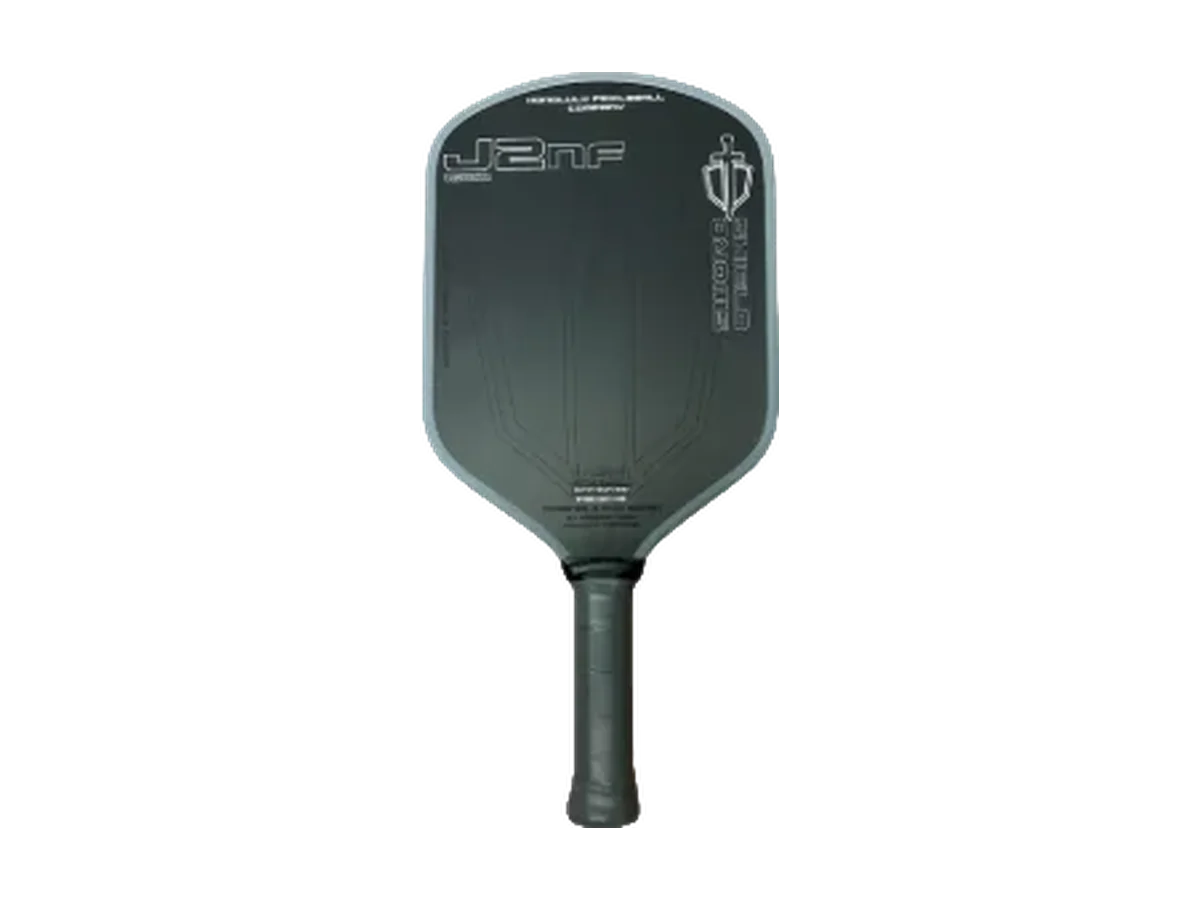
- Honolulu Sword & Shield J2NFDefinitely Well Worth ItBest for: The highest control figures in our dataset, with excellent grit retention.Our full review
$195without code$175withcode PRHYou save$20with our codePrices change often; use the retailer link for the current price. -
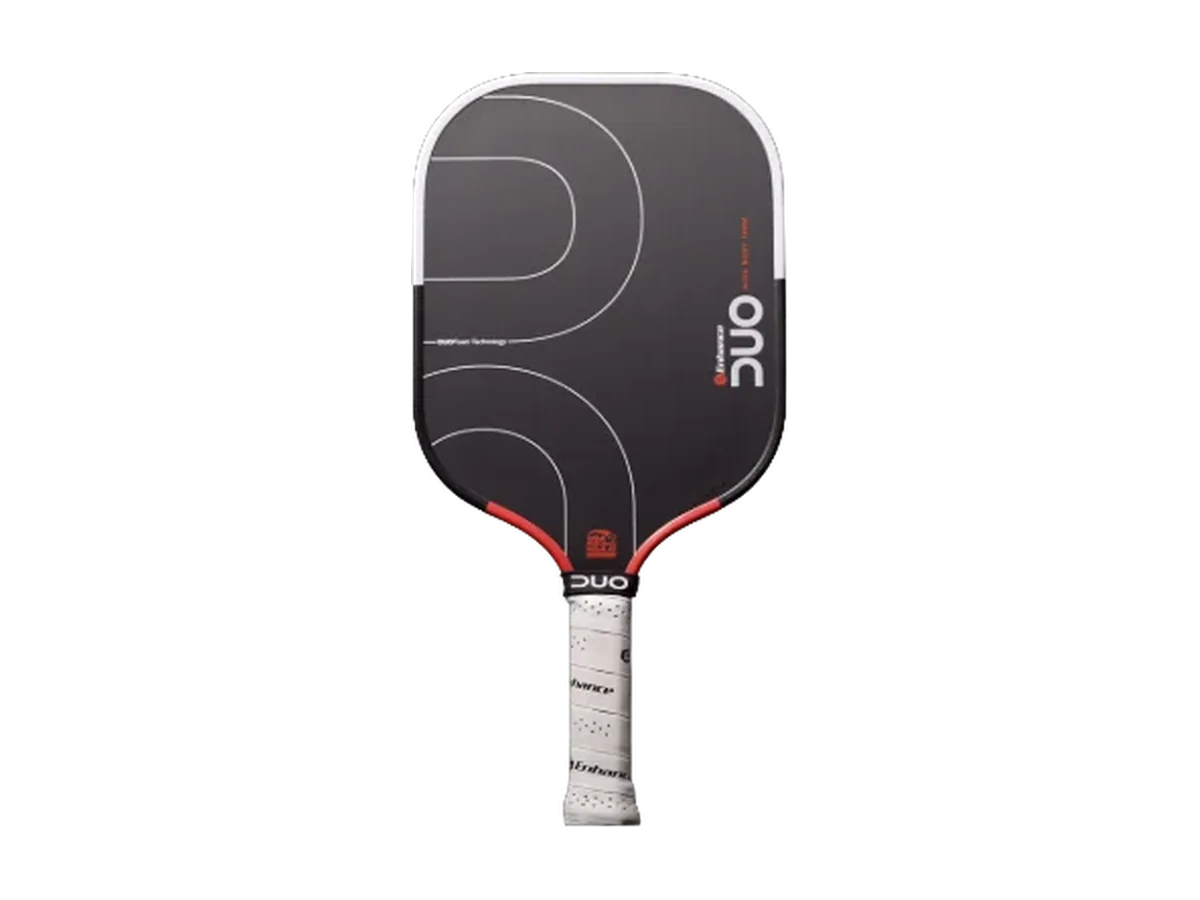 Enhance DUO WidebodyStrong BuyBest for: Near-top control and forgiveness for well under $200 after the code.Our full review
$175without code$155withcode PRHYou save$20with our codePrices change often; use the retailer link for the current price. -
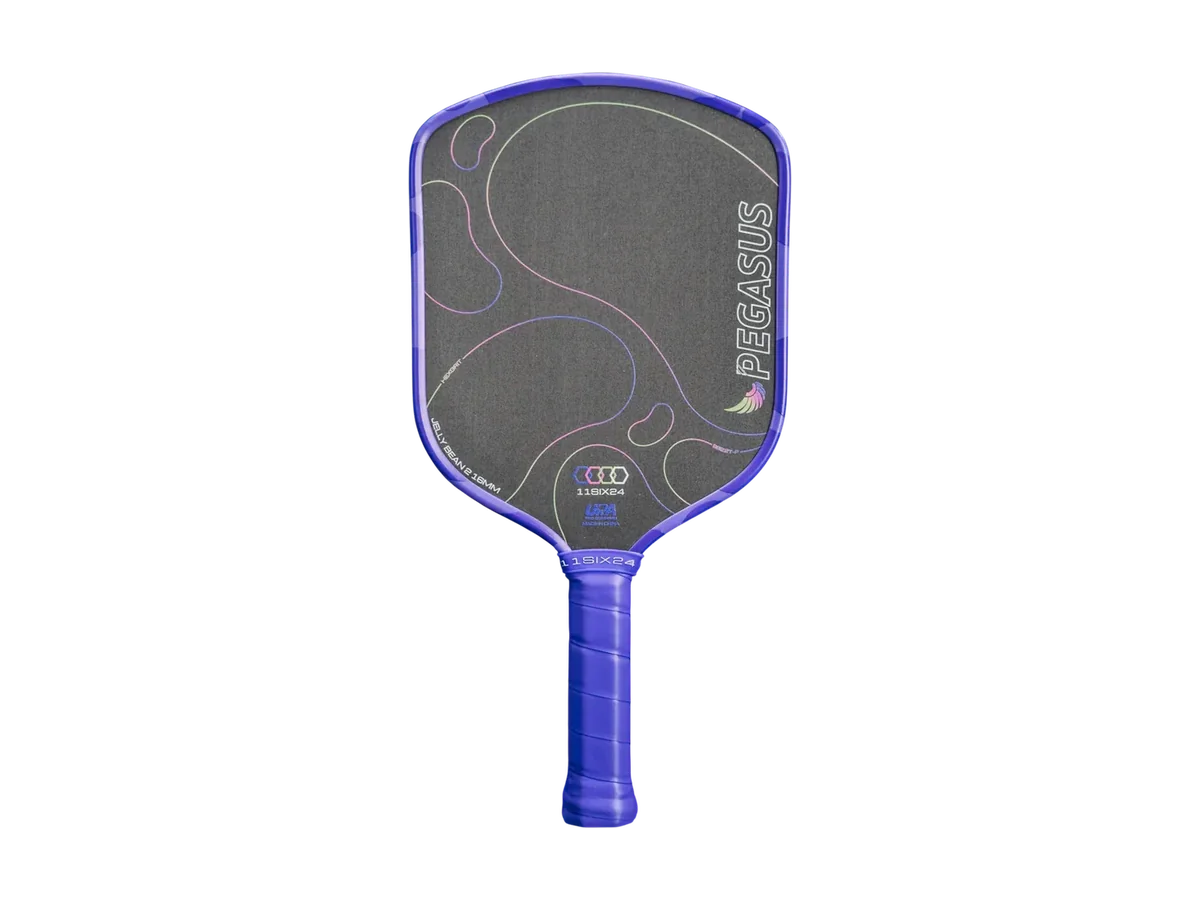 11SIX24 Pegasus Jelly Bean 2Strong BuyBest for: The softest-playing option here — built for players who live at the kitchen line.Our full review
$169.99without code$159.99withcode PRHYou save$10with our codePrices change often; use the retailer link for the current price. -
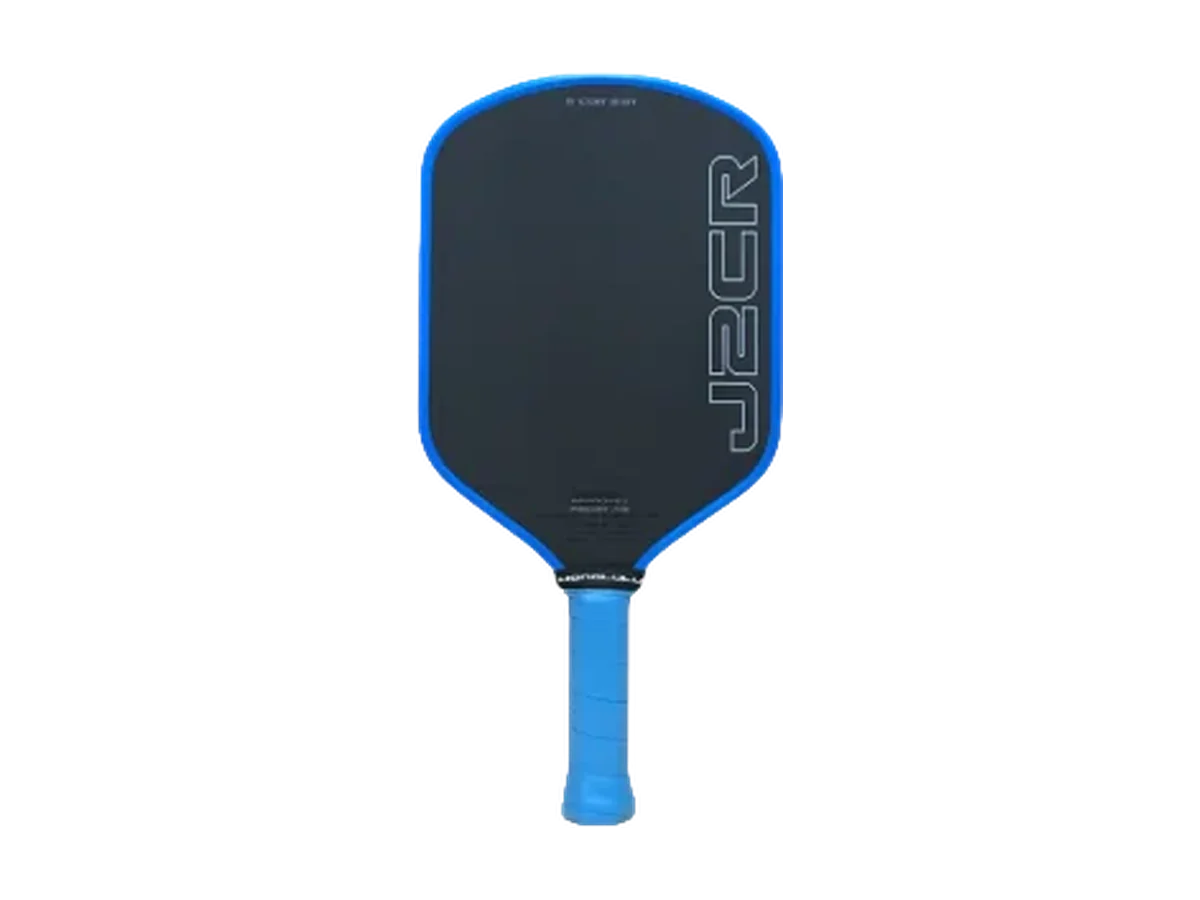 Honolulu J2CRDefinitely Well Worth ItBest for: Elite control that still hits hard when you need it. Best all-court.Our full review
$195without code$175withcode PRHYou save$20with our codePrices change often; use the retailer link for the current price.
How we'd choose
| Pick | Our call | Buy it for | The catch |
|---|---|---|---|
| Honolulu Sword & Shield J2NF | Definitely Well Worth It | The highest control figures in our dataset, with excellent grit retention. | — |
| Enhance DUO Widebody | Strong Buy | Near-top control and forgiveness for well under $200 after the code. | — |
| 11SIX24 Pegasus Jelly Bean 2 | Strong Buy | The softest-playing option here — built for players who live at the kitchen line. | — |
| Honolulu J2CR | Definitely Well Worth It | Elite control that still hits hard when you need it. Best all-court. | — |
-
Honolulu Sword & Shield J2NF
- Our call
- Definitely Well Worth It
- Buy it for
- The highest control figures in our dataset, with excellent grit retention.
- The catch
- —
-
Enhance DUO Widebody
- Our call
- Strong Buy
- Buy it for
- Near-top control and forgiveness for well under $200 after the code.
- The catch
- —
-
11SIX24 Pegasus Jelly Bean 2
- Our call
- Strong Buy
- Buy it for
- The softest-playing option here — built for players who live at the kitchen line.
- The catch
- —
-
Honolulu J2CR
- Our call
- Definitely Well Worth It
- Buy it for
- Elite control that still hits hard when you need it. Best all-court.
- The catch
- —
Control is the most useful thing you can buy in a pickleball paddle and the least exciting thing to market, which is why most paddle marketing leads with power instead.
For the majority of recreational players, that is backwards. You lose far more points to unforced errors than you win with pace. A paddle that keeps mishits playable and puts the ball where you aimed wins more games than one that hits harder.
This guide uses the paddle database we share with PaddleReviewHub, which covers on-court performance in far more depth. Our angle is the one that fits a wellness site: the specs that make a paddle controllable are largely the same ones that make it kind to your arm.
Prices, stock and codes change without notice. Verify in the live cart before ordering.
What control actually is
A 16mm core. Thicker cores deform more on impact, absorbing pace instead of returning it. This is what makes a reset possible — you need the paddle to take energy off the ball, not add to it.
A widebody shape. More face area, bigger sweet spot, and crucially a higher twistweight.
High twistweight. This is the underrated one. It measures resistance to twisting when you hit off-centre. A paddle that rotates in your hand on a mishit sends the ball somewhere you did not choose — and sends a jolt into your wrist and elbow at the same time.
A moderate swingweight. Easier to manoeuvre at the kitchen line, where hands battles are decided in fractions of a second, and less forearm load across a session.
Every one of those also makes the paddle gentler on your joints. Control and comfort are the same engineering, described differently.
The picks
Best overall control: Honolulu Sword & Shield J2NF — $195
The highest control figures in our entire dataset, paired with forgiveness numbers near the top. It is the most complete touch paddle we track.
The Aero Hybrid Plus shape and 16mm core produce a large, stable sweet spot, and PaddleReviewHub’s testing found the CFC carbon face still generating consistent spin past twelve hours with minimal wear — better grit retention than most raw carbon manages. So the touch does not fade as fast as it does on many control paddles.
If your game is built on resets, dinks, and placement, this is the pick.
Best value: Enhance DUO Widebody — $175
Around $155 after the code, with control and forgiveness figures close to the top of our data. That is a lot of paddle for the money.
Widebody 16mm, so it does everything a control paddle should. The realistic caveat is the surface — Enhance uses a standard raw T700 grit face, which bites well when new and smooths faster than the endurance surfaces. The one-year warranty offsets some of that.
The sensible choice if you want genuine control performance without spending $200.
Softest hands: 11SIX24 Pegasus Jelly Bean 2 — $169.99
The most touch-oriented paddle here. It posts high control and spin figures with the lowest power of this group — and that is the point rather than a criticism.
If you win points by absorbing pace, resetting into the kitchen, and out-dinking people, a paddle that refuses to add energy is an advantage. If you also want the option of driving, this is not the one.
Best all-court: Honolulu J2CR — $195
The paddle we would put in most players’ hands. It sits at or near the top for control and forgiveness while retaining genuinely strong power — the combination those specs usually trade against.
Choose this over the J2NF if you want elite control but still want to drive the ball when the opportunity is there. Choose the J2NF if you would rather have the last increment of touch.
There is also a Crystal Blue Endurance Surface version if grit retention matters to you.
Control is also the joint-friendly choice
This is where a wellness site has something to add that a pure gear site does not.
The specs that define a control paddle — 16mm core, widebody shape, high twistweight, moderate swingweight — are almost exactly the specs that reduce load on your elbow and wrist. Thicker cores absorb shock. High twistweight stops mishit jolts. Moderate swingweight means less forearm work across several hundred hits.
So the “beginner” recommendation and the “protect your arm” recommendation converge on the same paddle. That is convenient, and it is not a coincidence — both are asking for a paddle that handles imperfect contact gracefully.
More on this in best paddles for tennis elbow and arm comfort.
The honest summary
If you are new, buy control. If your elbow bothers you, buy control. If you play doubles and live at the kitchen line, buy control.
Buy power only if you have clean mechanics, play a driving game, and have no history of arm trouble — and read the power guide before you do.
For most people asking which paddle to buy, the honest answer is the Honolulu J2CR, and the reason is that it is forgiving enough to make your bad shots playable while still being good enough not to hold you back.
-
Honolulu Sword & Shield J2NF
Definitely Well Worth It · The highest control figures in our dataset, with excellent grit retention.
$195without code$175withcode PRHYou save$20with our code -
Enhance DUO Widebody
Strong Buy · Near-top control and forgiveness for well under $200 after the code.
$175without code$155withcode PRHYou save$20with our code -
11SIX24 Pegasus Jelly Bean 2
Strong Buy · The softest-playing option here — built for players who live at the kitchen line.
$169.99without code$159.99withcode PRHYou save$10with our code -
Honolulu J2CR
Definitely Well Worth It · Elite control that still hits hard when you need it. Best all-court.
$195without code$175withcode PRHYou save$20with our code
Frequently asked questions
What makes a pickleball paddle a control paddle?
Will a control paddle cost me power?
Is a control paddle better for beginners?
Does a control paddle help with tennis elbow?
Control or all-court?
Affiliate disclosure
Some links on this page may be affiliate links — we may earn a commission if you buy through them, at no extra cost to you. We only recommend products we think are worth considering. Verdicts are not influenced by commissions.