Best pickleball paddles (2026): picks by how you actually play
Compare picks & prices ↓Shape, core thickness, and swingweight decide more than brand does. Our picks across control, power, spin, and forgiveness — with current partner codes.
We may earn a commission from our links or codes.
Promo code PRH 11SIX24: Save $10 11SIX24 discount code details →
Promo code PRH Engage: Save 10% Engage discount code details →
Promo code PRH Enhance: Save $20 Enhance discount code details →
Promo code PRH Friday Pickleball: Save $10 Friday Pickleball discount code details →
Choose by use case
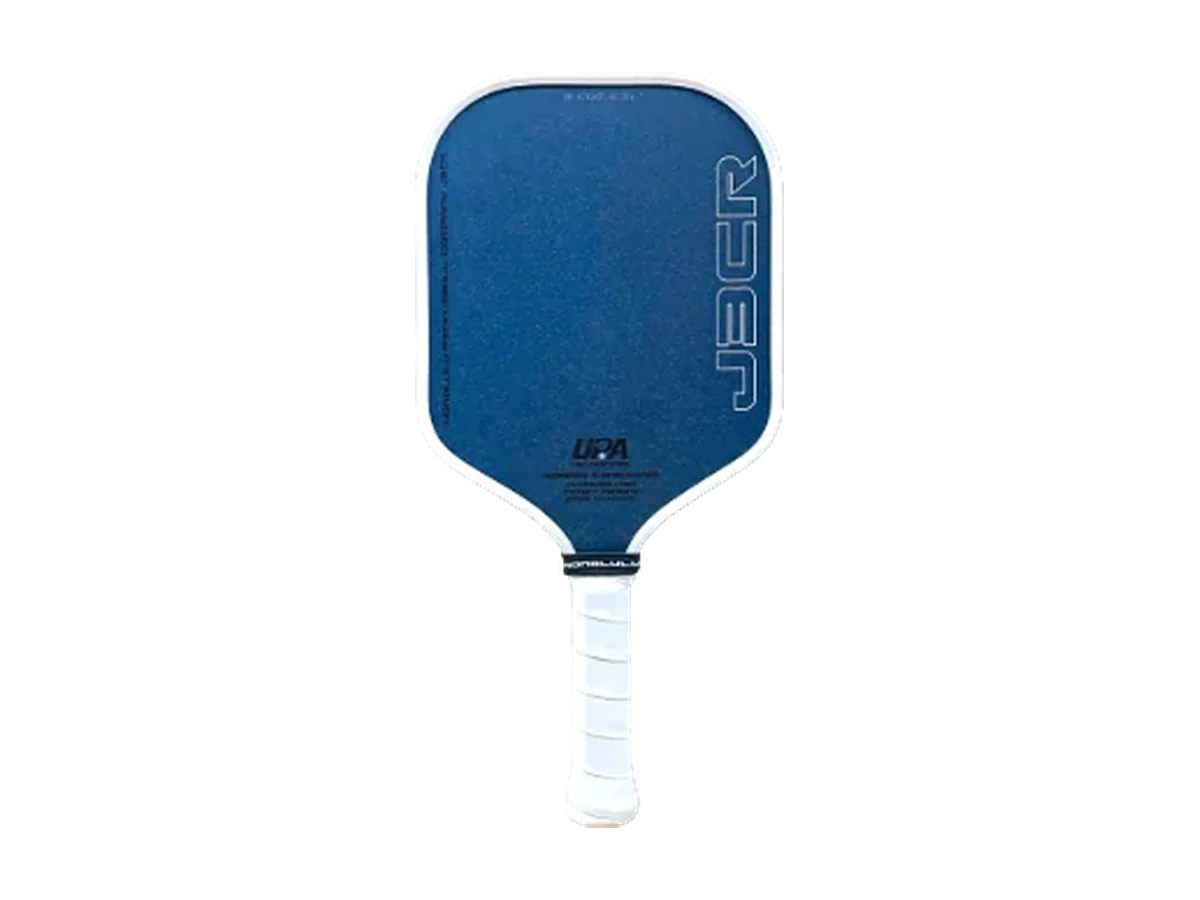
- Honolulu J3CR Crystal BlueBest for: Doubles players who want a forgiving square face and a spin-oriented Crystal Blue surface.Our full review
$195without code$175.50estimated withcode PRHEstimated saving$19.50 (10% off)with our codePrices change often; use the retailer link for the current price. -
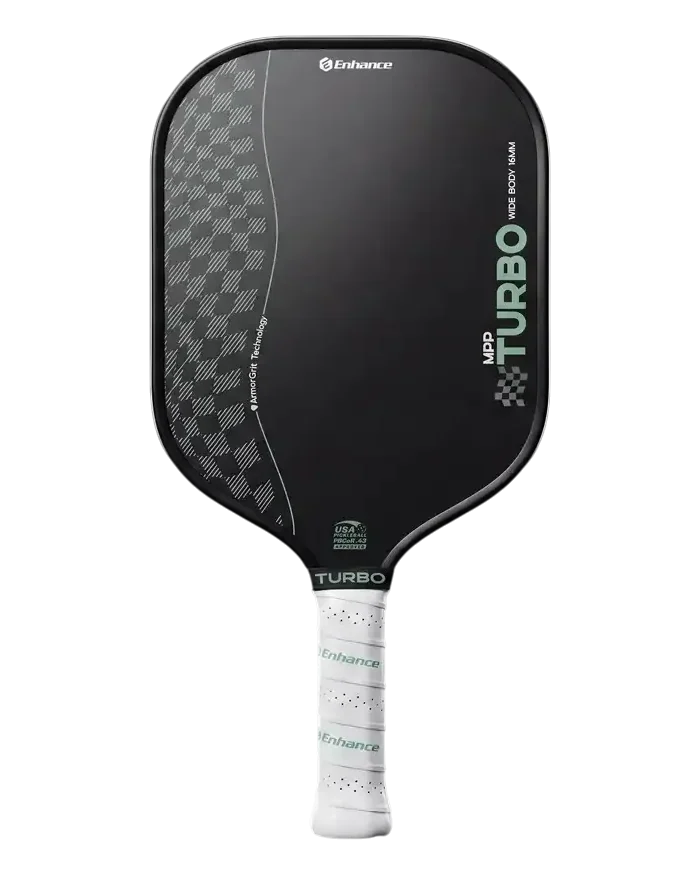 Enhance MPP Turbo ArmorGrit WidebodyBest for: Doubles players who want a forgiving face, floating MPP foam, and the ArmorGrit surface.Our full review
$119.99without code$99.99estimated withcode PRHEstimated saving$20with our codePrices change often; use the retailer link for the current price. -
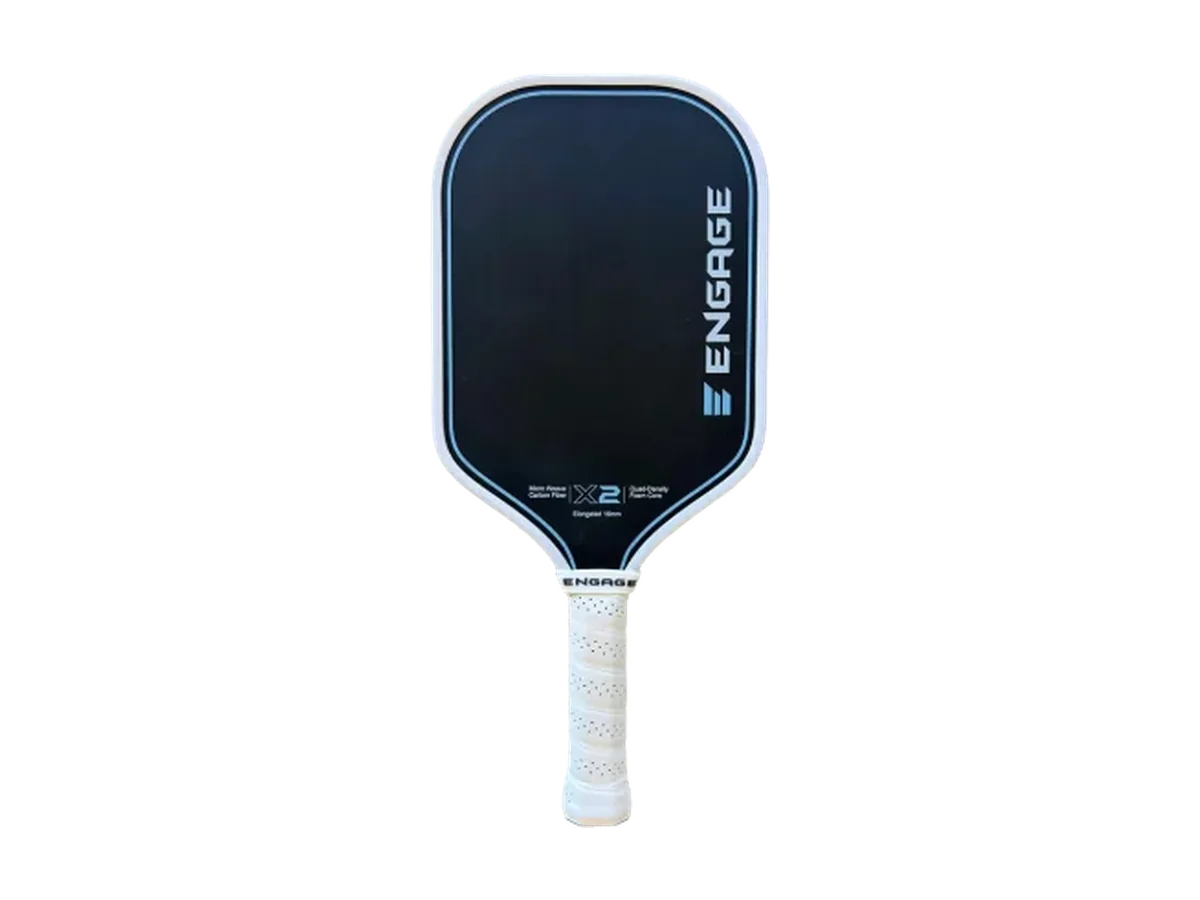 Engage X2 ElongatedBest for: Confident players who want reach, leverage, and an attacking foam response.Our full review
$199.99without code$179.99estimated withcode PRHEstimated saving$20 (10% off)with our codePrices change often; use the retailer link for the current price. -
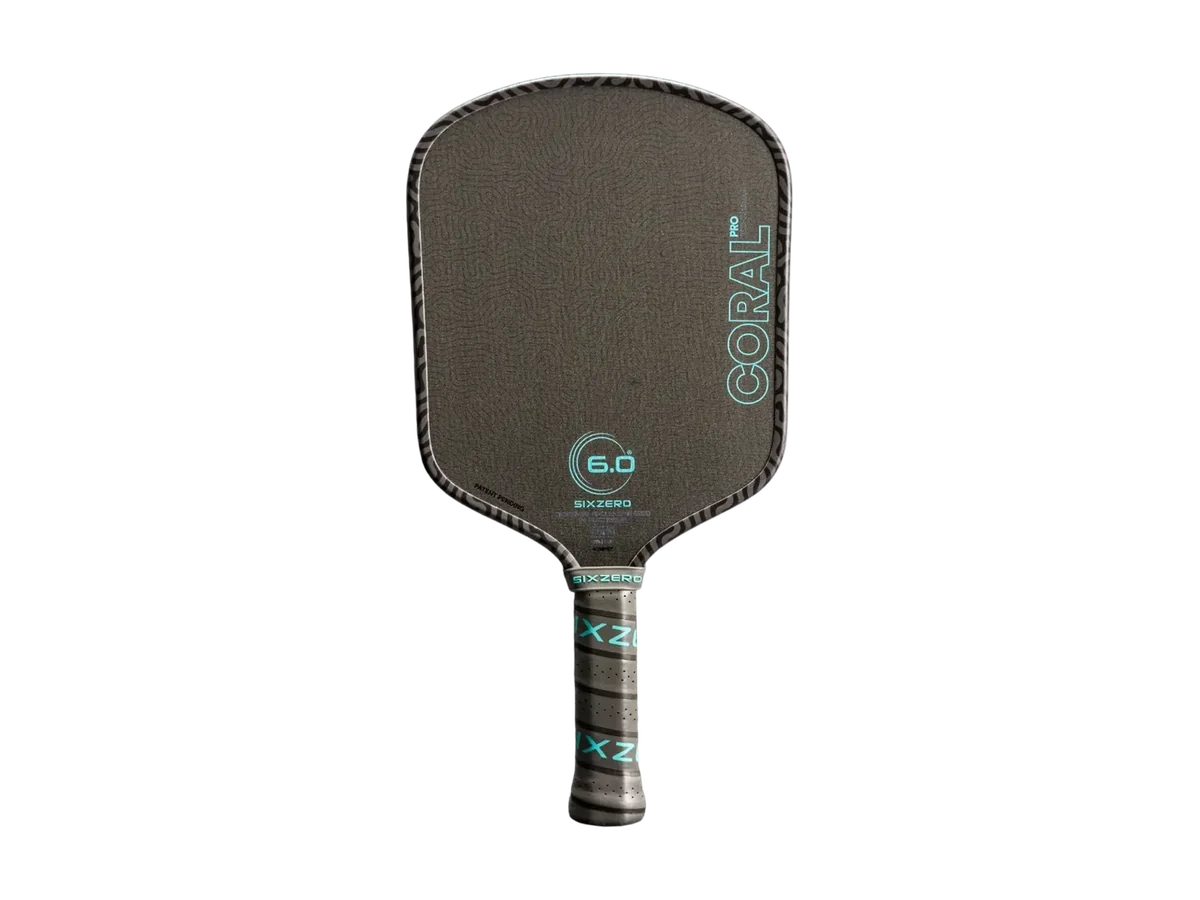 Six Zero Coral Pro Widebody 16mmBest for: Spin-focused doubles players who want a forgiving widebody shape.Our full review
$220without code$198estimated withcode PRH10Estimated saving$22 (10% off)with our codePrices change often; use the retailer link for the current price. -
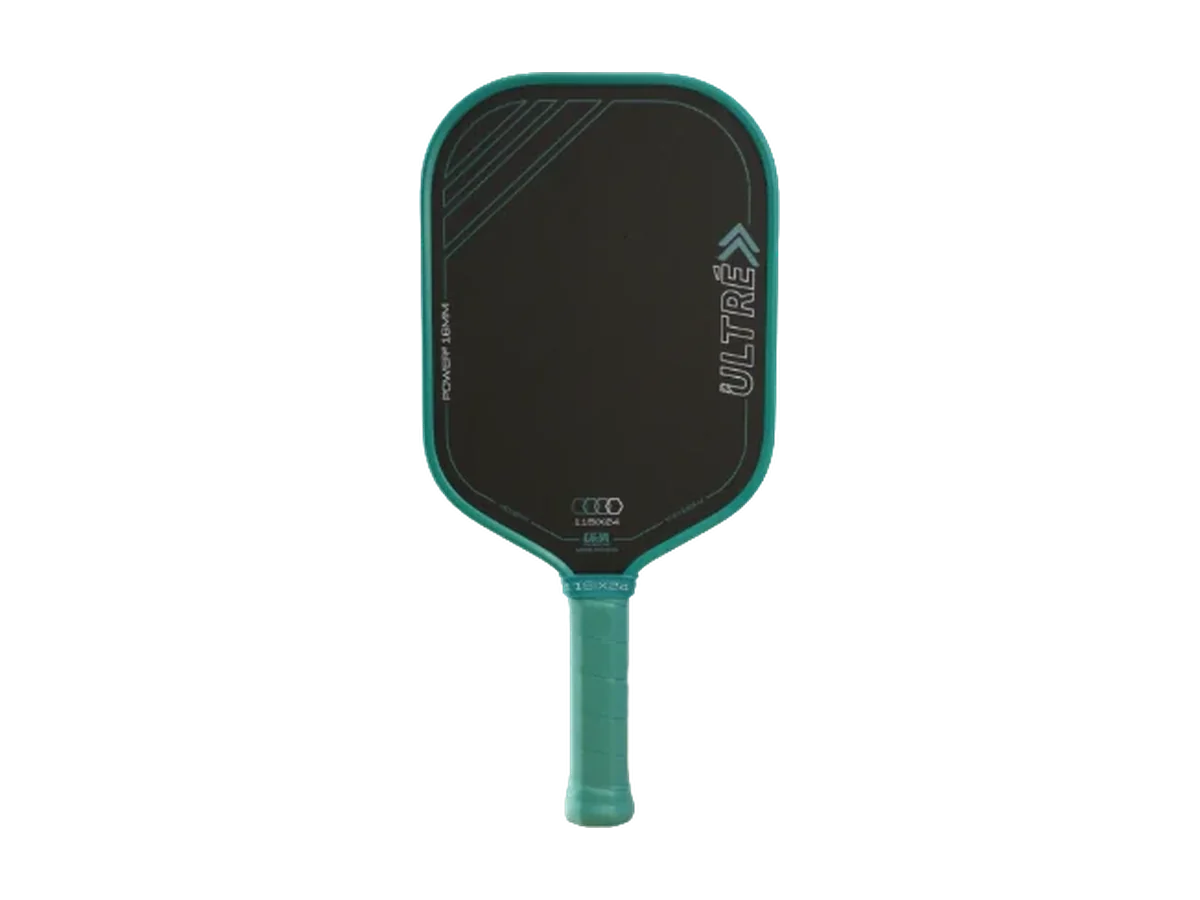 11SIX24 Ultré Power 2Best for: Players who want a power-forward hybrid with a broad face and HexGrit surface.Our full review
$209.99without code$199.99estimated withcode PRHEstimated saving$10with our codePrices change often; use the retailer link for the current price. -
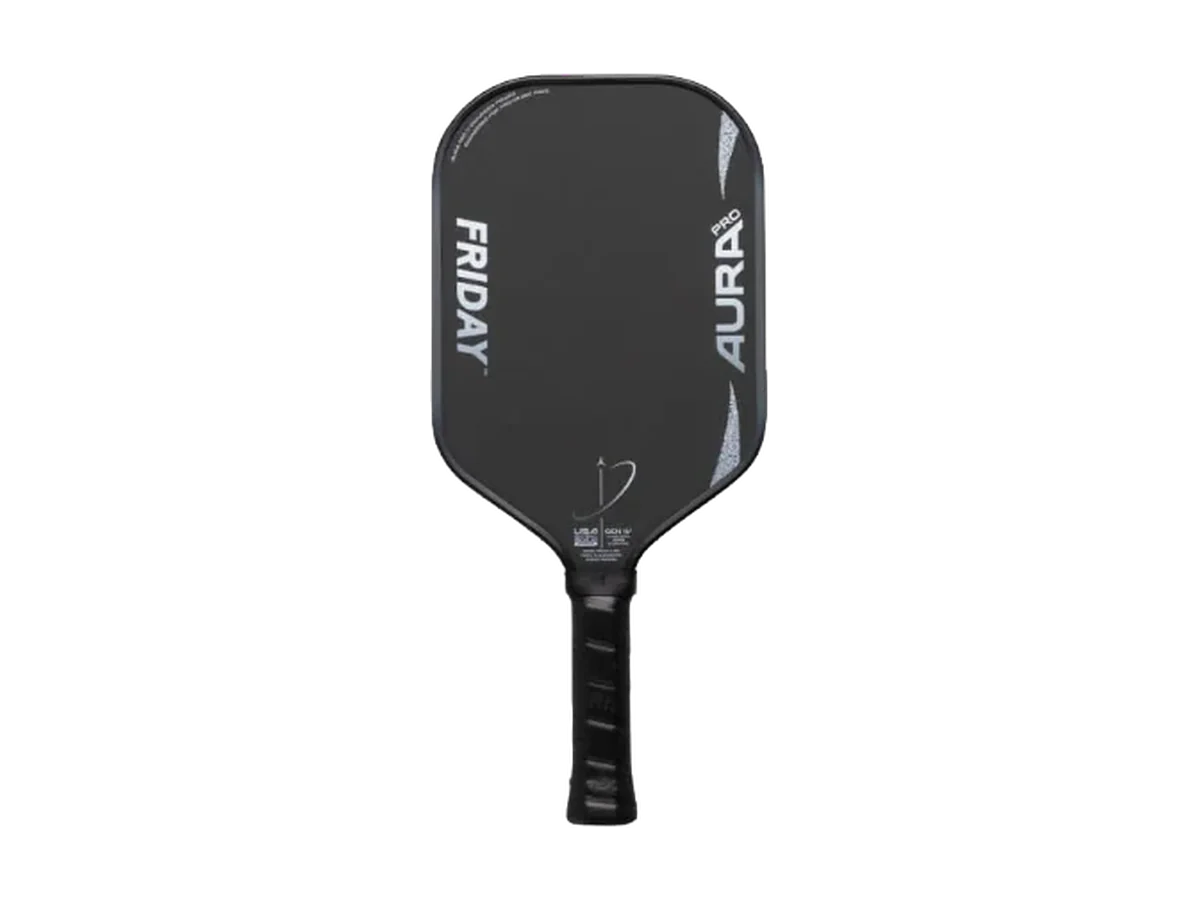 Friday Aura Pro ElongatedBest for: Attacking players who want an elongated shape and firmer foam response.Our full review
$169without code$159estimated withcode PRHEstimated saving$10with our codePrices change often; use the retailer link for the current price. -
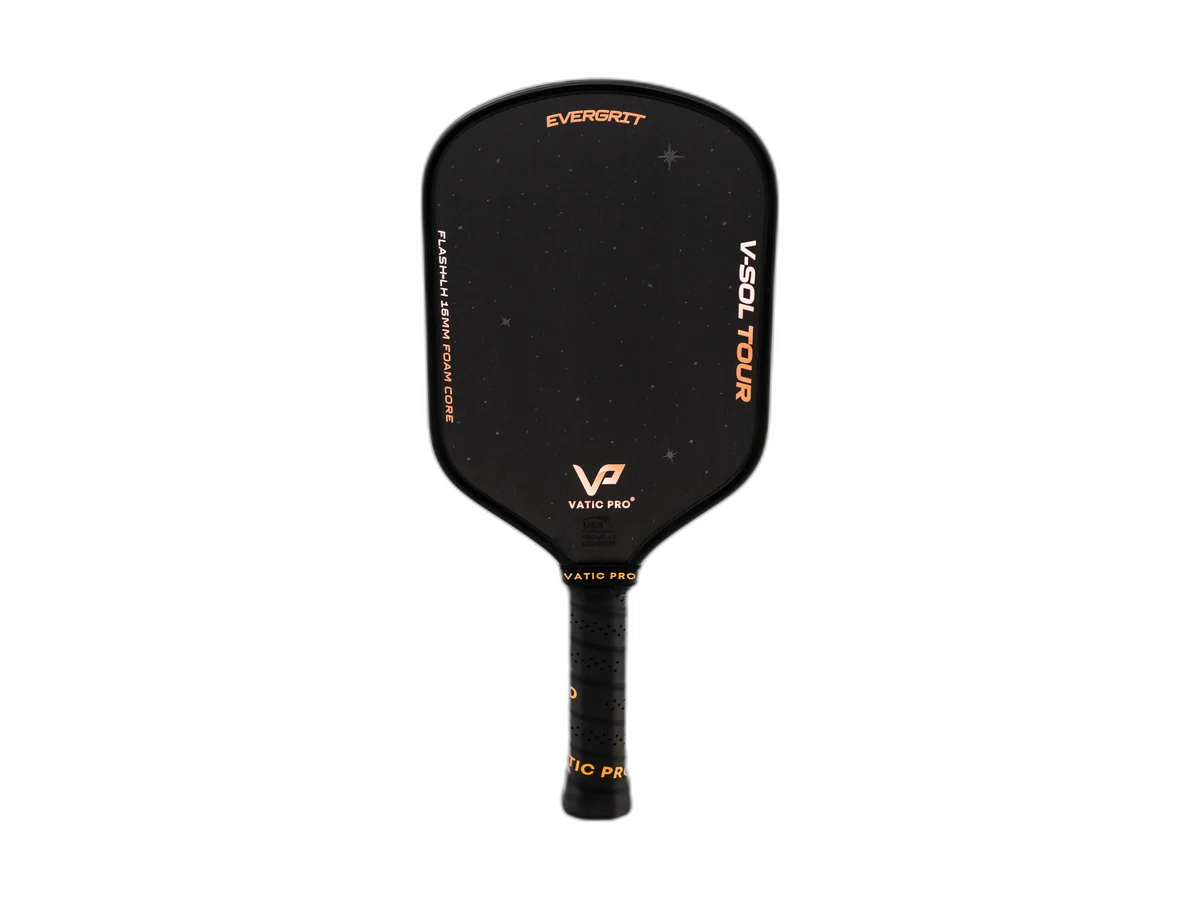 Vatic Pro V-Sol Tour Flash Long HandleBest for: Players who want a hybrid Tour shape with a longer grip for two-handed play.Our full review
$109.99without code$99.99estimated withcode PRHEstimated saving$10with our codePrices change often; use the retailer link for the current price.
How we'd choose
| Pick | Our call | Buy it for | The catch |
|---|---|---|---|
| Honolulu J3CR Crystal Blue | — | Doubles players who want a forgiving square face and a spin-oriented Crystal Blue surface. | — |
| Enhance MPP Turbo ArmorGrit Widebody | — | Doubles players who want a forgiving face, floating MPP foam, and the ArmorGrit surface. | — |
| Engage X2 Elongated | — | Confident players who want reach, leverage, and an attacking foam response. | — |
| Six Zero Coral Pro Widebody 16mm | — | Spin-focused doubles players who want a forgiving widebody shape. | — |
| 11SIX24 Ultré Power 2 | — | Players who want a power-forward hybrid with a broad face and HexGrit surface. | — |
| Friday Aura Pro Elongated | — | Attacking players who want an elongated shape and firmer foam response. | — |
| Vatic Pro V-Sol Tour Flash Long Handle | — | Players who want a hybrid Tour shape with a longer grip for two-handed play. | — |
-
Honolulu J3CR Crystal Blue
- Our call
- —
- Buy it for
- Doubles players who want a forgiving square face and a spin-oriented Crystal Blue surface.
- The catch
- —
-
Enhance MPP Turbo ArmorGrit Widebody
- Our call
- —
- Buy it for
- Doubles players who want a forgiving face, floating MPP foam, and the ArmorGrit surface.
- The catch
- —
-
Engage X2 Elongated
- Our call
- —
- Buy it for
- Confident players who want reach, leverage, and an attacking foam response.
- The catch
- —
-
Six Zero Coral Pro Widebody 16mm
- Our call
- —
- Buy it for
- Spin-focused doubles players who want a forgiving widebody shape.
- The catch
- —
-
11SIX24 Ultré Power 2
- Our call
- —
- Buy it for
- Players who want a power-forward hybrid with a broad face and HexGrit surface.
- The catch
- —
-
Friday Aura Pro Elongated
- Our call
- —
- Buy it for
- Attacking players who want an elongated shape and firmer foam response.
- The catch
- —
-
Vatic Pro V-Sol Tour Flash Long Handle
- Our call
- —
- Buy it for
- Players who want a hybrid Tour shape with a longer grip for two-handed play.
- The catch
- —
The right paddle depends on how you play: shape, core construction, weight distribution, and face material all change the feel. This guide gives a quick starting point across forgiving, reach-first, spin-oriented, and value picks, then links to a focused review and a code page for each offer.
The paddle performance notes come from our shared editorial work with PaddleReviewHub. Here we translate those notes into shopping fit: who each shape may suit, what the tradeoffs are, and where to find the listed partner code. A code or price estimate is not a promise that the offer will apply to every product or sale.
Prices, stock and codes change without notice. Verify everything in the live cart before ordering.
Start with shape — it decides the most
Widebody. The broad face can feel easier to find during blocks, resets, and quick exchanges. It is a good place to start if forgiveness matters more than maximum reach.
Elongated. The longer outline favors reach and leverage. The tradeoff is a narrower contact area that may ask for more consistent timing than a widebody.
Hybrid. A middle ground between the wide face and long reach. It can be a useful all-court choice if neither extreme sounds right.
If you are unsure, compare a widebody and hybrid in a demo or return-friendly window before choosing a demanding elongated shape.
Then core thickness
16mm is common among all-court paddles and is often designed for a more composed response. Actual feel varies with the core, face, and perimeter construction.
14mm can feel firmer and quicker. Whether that works for you depends on your contact, timing, and preferred feedback.
Thickness is only one part of the decision. Handle length, swingweight, twistweight, grip shape, and your preferred ball response deserve a look before checkout.
The picks
Best forgiving square face: Honolulu J3CR Crystal Blue — $195 list price
The J3CR is our starting point for doubles players who want a broad, forgiving face without giving up a lively, spin-oriented feel. Our shared paddle notes put its square outline among the stronger options for forgiveness, and the Crystal Blue face gives it a distinct identity in Honolulu’s lineup. The brand also notes cosmetic variation in the surface, so read its product and warranty terms before ordering. Read our J3CR review and see the Honolulu code page for PRH and the current listed offer.
Best value widebody: Enhance MPP Turbo ArmorGrit — $119.99 list price
The Widebody combines Enhance’s floating MPP foam platform with its ArmorGrit face in a forgiving shape. It is a compelling price point before any discount, and the current partner offer lists $20 off with PRH. ArmorGrit is a design and durability claim from the brand; we do not present it as a proven wear lifespan. Read our Widebody review and check the Enhance code page for terms and cart eligibility.
Best premium reach: Engage X2 Elongated — $199.99 current listing
For a confident player who wants a long face and attacking response, the X2 Elongated brings Engage’s foam platform into a reach-first shape. Our paddle notes found a strong power-and-control balance for this category, while the narrower outline still asks for cleaner contact than a widebody. Engage lists some promotion exclusions, so PRH’s 10% may not stack with the sale price. Read our X2 review and confirm the total on the Engage code page.
Best spin-first widebody: Six Zero Coral Pro — $220 list price
The Coral Pro Widebody is a spin-oriented pick for players who want more face area than an elongated paddle. It stood out in the shared performance notes for spin while retaining the broad shape that many doubles players prefer. Six Zero says some promotions are excluded, so confirm PRH10 applies before paying. Read our Coral Pro review and check the Six Zero code page for the current offer.
Best power-forward hybrid: 11SIX24 Ultré Power 2 — $209.99 list price
The Ultré Power 2 is a hybrid option for players who want an attacking response with a broader face than an elongated build. The line’s floating-core approach is designed to retain a connected feel as pace rises. Our guide price is based on the current official listing; the partner code PRH is listed for $10 off. Read our Ultré Power 2 review and open the 11SIX24 code page to copy the code.
Best reach-first Friday: Aura Pro Elongated — $169 list price
Friday’s Aura Pro Elongated suits players who value reach and a lively attacking response. The narrower head is the tradeoff: it is less forgiving than a widebody if contact drifts toward the edge. PRH is listed for $10 off, but Friday is advertising separate promotions on selected paddles, and stacking has not been confirmed. Read our Aura Pro review and check the Friday code page before ordering.
Best lower-cost long-handle hybrid: Vatic V-Sol Tour Flash — $109.99 list price
The currently available Flash Long Handle gives two-handed players extra grip room in Vatic’s hybrid Tour shape. It is a different configuration from the sold-out elongated option and from the older V-SOL Pro Flash, so choose the variant carefully. The brand describes its Evergrit face as built for lasting texture; treat that as a product claim rather than a guarantee. Read our Flash Long Handle review and check the Vatic code page for PRH and the current listing.
What actually matters for keeping you on court
We cover this properly in best paddles for tennis elbow and arm comfort, but the short version:
Swingweight determines how hard your forearm works on every hit — more than static weight does. Twistweight determines how much shock a mishit sends into your wrist and elbow. A 16mm widebody with a low swingweight and high twistweight is the most joint-friendly combination available, and it happens to also be the most forgiving to play with.
If comfort is part of your shopping decision, compare handle fit, swingweight, grip size, and how quickly you plan to increase play. A paddle is only one part of comfort; if pain persists, get individualized advice from a qualified clinician. More on the activity itself in is pickleball actually good exercise.
The honest summary
Choose the shape that matches your game first, then compare feel, current price, warranty, and return terms. The partner code pages make each current code easy to copy; check the final cart because sale eligibility and stock can change.
Individual paddle reviews and current codes
These focused reviews explain who each paddle suits and link straight to the brand page where you can copy the current code and shop through our partner route.
Code eligibility and prices can change. Copy the code on the brand page and confirm the discount in the checkout total.
-
Honolulu J3CR Crystal Blue
Doubles players who want a forgiving square face and a spin-oriented Crystal Blue surface.
$195without code$175.50estimated withcode PRHEstimated saving$19.50 (10% off)with our code -
Enhance MPP Turbo ArmorGrit Widebody
Doubles players who want a forgiving face, floating MPP foam, and the ArmorGrit surface.
$119.99without code$99.99estimated withcode PRHEstimated saving$20with our code -
Engage X2 Elongated
Confident players who want reach, leverage, and an attacking foam response.
$199.99without code$179.99estimated withcode PRHEstimated saving$20 (10% off)with our code -
Six Zero Coral Pro Widebody 16mm
Spin-focused doubles players who want a forgiving widebody shape.
$220without code$198estimated withcode PRH10Estimated saving$22 (10% off)with our code -
11SIX24 Ultré Power 2
Players who want a power-forward hybrid with a broad face and HexGrit surface.
$209.99without code$199.99estimated withcode PRHEstimated saving$10with our code -
Friday Aura Pro Elongated
Attacking players who want an elongated shape and firmer foam response.
$169without code$159estimated withcode PRHEstimated saving$10with our code -
Vatic Pro V-Sol Tour Flash Long Handle
Players who want a hybrid Tour shape with a longer grip for two-handed play.
$109.99without code$99.99estimated withcode PRHEstimated saving$10with our code
Frequently asked questions
What paddle shape should a beginner buy?
Is 14mm or 16mm better?
Does an expensive paddle actually play better?
How long does a paddle last?
Do the discount codes actually work?
Affiliate disclosure
Some links on this page may be affiliate links — we may earn a commission if you buy through them, at no extra cost to you. We only recommend products we think are worth considering. Verdicts are not influenced by commissions.