Best pickleball paddles for tennis elbow and arm comfort (2026)
Compare picks & prices ↓The specs that actually determine how much load your forearm absorbs — swingweight, twistweight, and total weight — and the paddles that keep all three sensible.
We may earn a commission from our links or codes.
Promo code PRH Friday Pickleball: Save $10 Friday Pickleball discount code details →
Promo code PRH Luzz: Save 15% Luzz discount code details →
Promo code PRH10 Six Zero: Save 10% Six Zero discount code details →
Promo code PRH Volair: Save 10% Volair discount code details →
Choose by use case
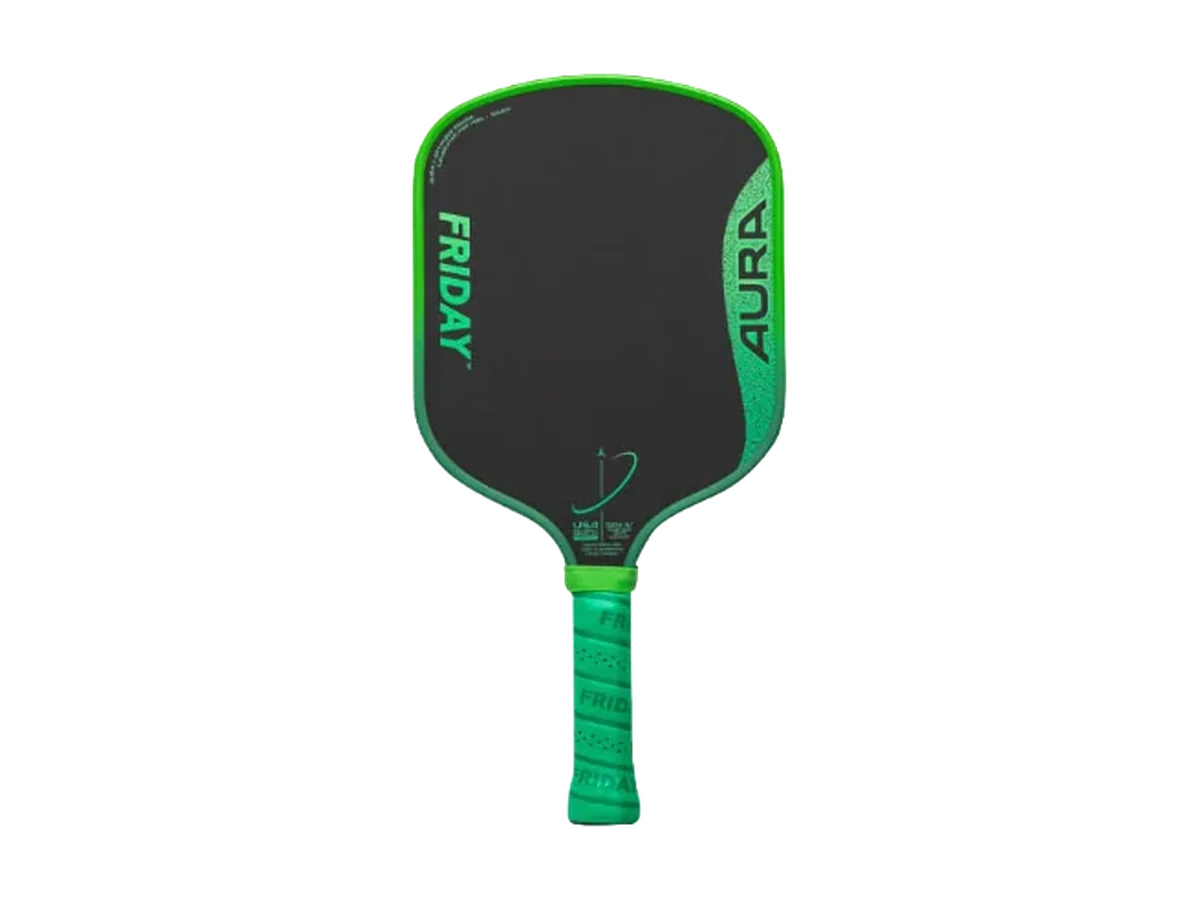
- Friday Aura WidebodyStrong BuyBest for: The best combination of low swingweight, high twistweight, and sensible price.Our full review
$129without code$119withcode PRHYou save$10with our codePrices change often; use the retailer link for the current price. -
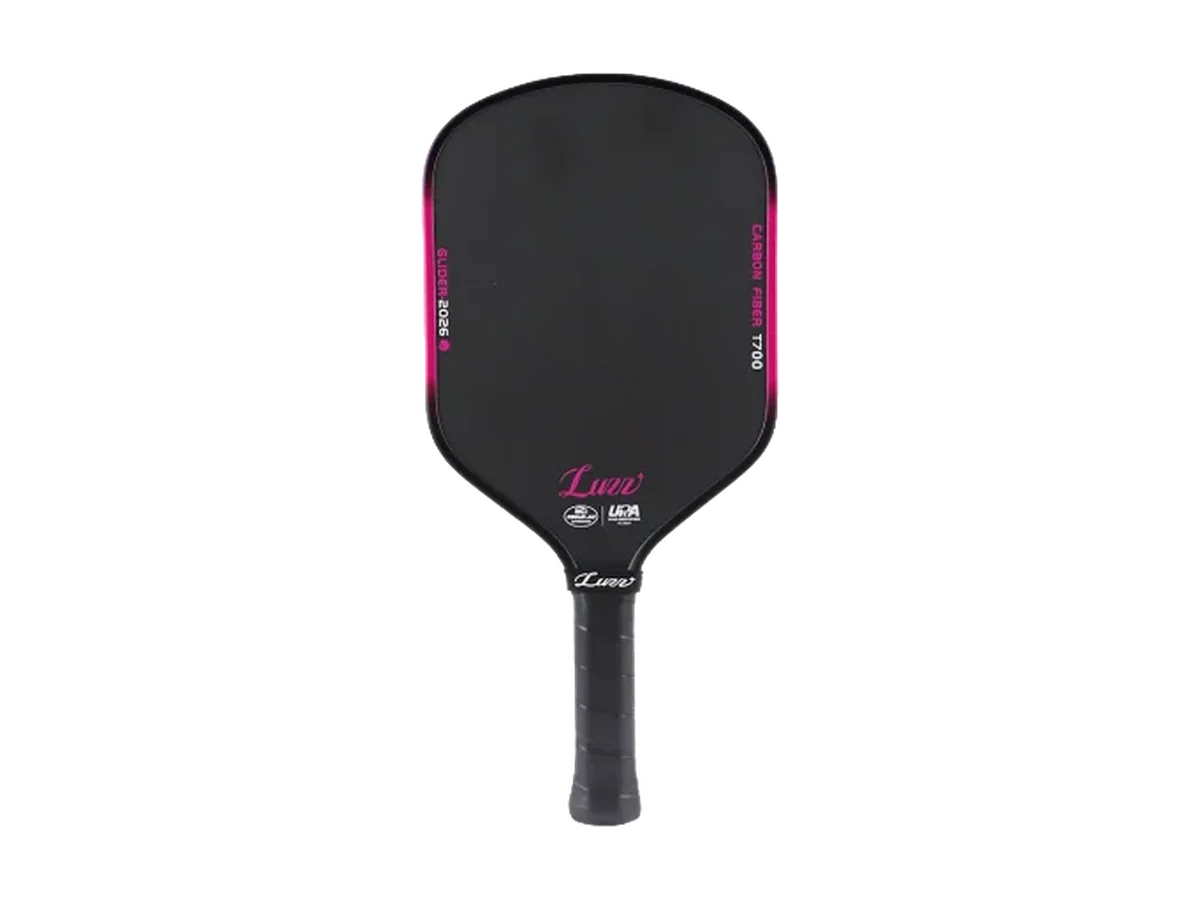 Luzz Glider 2026 HybridStrong BuyBest for: Lowest cost of the genuinely arm-friendly options.Our full review
$119without code$101.15withcode PRHYou save$17.85with our codePrices change often; use the retailer link for the current price. -
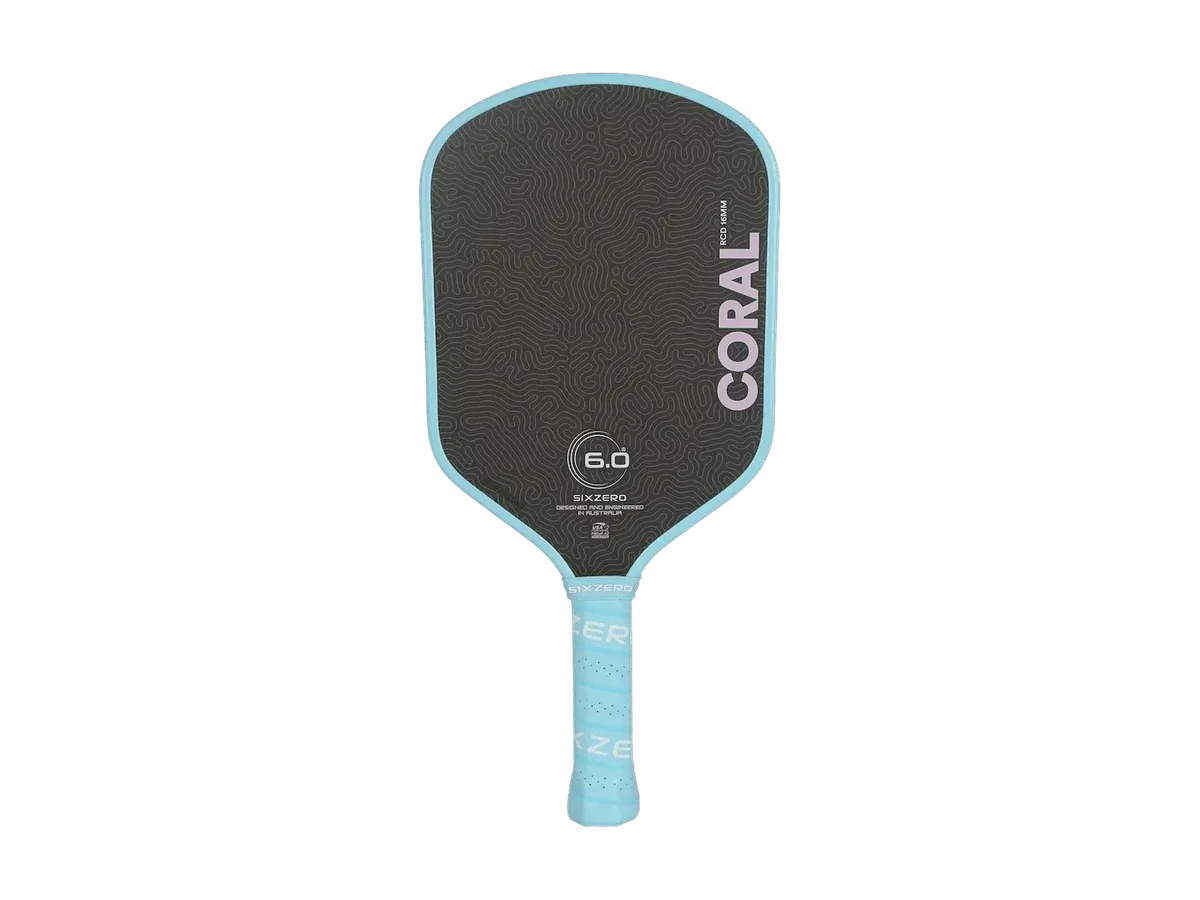 Six Zero Coral 16mm LightweightStrong BuyBest for: Light in hand with a thick core for a softer feel on impact.Our full review
$200without code$180withcode PRH10You save$20with our codePrices change often; use the retailer link for the current price. -
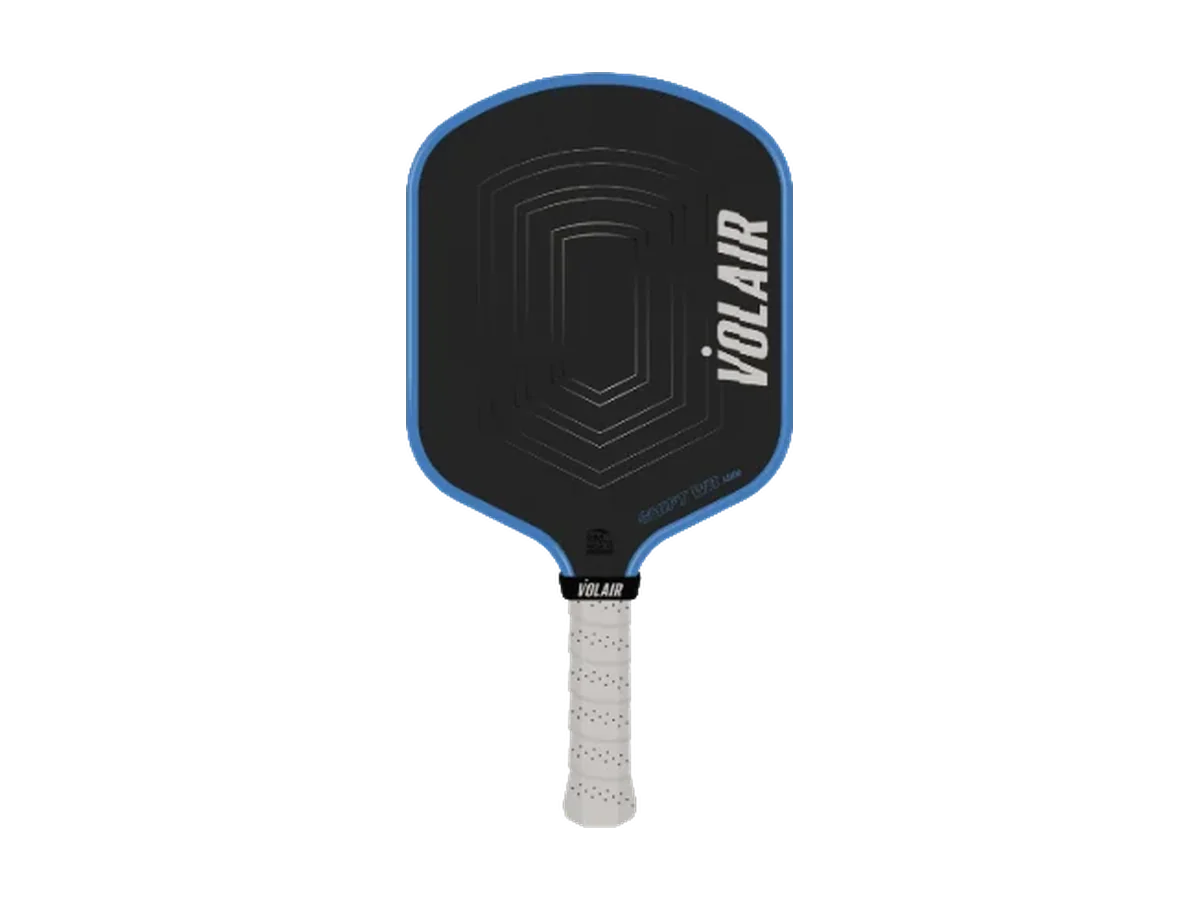 Volair SHIFT WidebodyStrong BuyBest for: Highest twistweight among the low-swingweight group — the most forgiving off-centre.Our full review
$189.99without code$171withcode PRHYou save$18.99with our codePrices change often; use the retailer link for the current price.
How we'd choose
| Pick | Our call | Buy it for | The catch |
|---|---|---|---|
| Friday Aura Widebody | Strong Buy | The best combination of low swingweight, high twistweight, and sensible price. | — |
| Luzz Glider 2026 Hybrid | Strong Buy | Lowest cost of the genuinely arm-friendly options. | — |
| Six Zero Coral 16mm Lightweight | Strong Buy | Light in hand with a thick core for a softer feel on impact. | — |
| Volair SHIFT Widebody | Strong Buy | Highest twistweight among the low-swingweight group — the most forgiving off-centre. | — |
-
Friday Aura Widebody
- Our call
- Strong Buy
- Buy it for
- The best combination of low swingweight, high twistweight, and sensible price.
- The catch
- —
-
Luzz Glider 2026 Hybrid
- Our call
- Strong Buy
- Buy it for
- Lowest cost of the genuinely arm-friendly options.
- The catch
- —
-
Six Zero Coral 16mm Lightweight
- Our call
- Strong Buy
- Buy it for
- Light in hand with a thick core for a softer feel on impact.
- The catch
- —
-
Volair SHIFT Widebody
- Our call
- Strong Buy
- Buy it for
- Highest twistweight among the low-swingweight group — the most forgiving off-centre.
- The catch
- —
Most pickleball paddle guides sort by power and spin. If your elbow already hurts — or you would like it not to start — those are the wrong specs to sort by.
This guide uses three numbers most paddle marketing buries, and it is built on the same spec data as our sister site PaddleReviewHub, which covers paddle performance in considerably more depth than we do here. Our angle is narrower and different: which paddles ask the least of your arm.
A note on what this is not. Persistent elbow pain is worth seeing a physiotherapist or doctor about. Equipment reduces load; it does not treat an injury, and technique and playing volume usually matter more than gear.
The three specs that matter
1. Swingweight — the one that matters most
Swingweight measures how heavy a paddle feels through the swing, accounting for how its mass is distributed rather than just how much there is.
This is the number that most directly determines how hard your forearm works on every shot. Over a two-hour session at several hundred hits, small differences compound into a meaningfully different load.
Rough guide: under 110 is arm-friendly, 110–115 is moderate, above 118 asks real work.
2. Twistweight — the underrated one
Twistweight measures a paddle’s resistance to twisting when you hit off-centre.
This matters more for arm comfort than most players realise. When a paddle twists in your hand on a mishit, that rotational shock travels into your wrist and elbow. A higher twistweight means the paddle stays stable, and stable paddles are gentler paddles.
Recreational players mishit constantly. Higher twistweight is a forgiveness spec and a joint-protection spec at the same time.
3. Total weight — the one everyone looks at
Static weight is the number on the box, and it is the least useful of the three.
Here is why: a light paddle with its mass concentrated toward the head can have a higher swingweight — and feel heavier to swing — than a heavier, better-balanced paddle. “Lightweight” on a listing tells you very little about how much work your arm does.
Useful, but third in line.
Core thickness, briefly
A 16mm core is softer on impact than a 14mm core, absorbing more shock rather than passing it up your arm. Most picks here are 16mm for exactly that reason.
The trade is a little raw power. For most recreational players that is not the limiting factor — and if your elbow hurts, it definitely is not.
The picks
Specs below are from our paddle database, checked September 2026. Prices, stock, and discount codes change without notice — verify everything in the live cart before ordering.
Best overall for arm comfort: Friday Aura Widebody
Swingweight 106 · Twistweight 6.6 · 7.9 oz · $129
The most sensible balance in this entire group. A swingweight of 106 is genuinely low, the widebody shape delivers a forgiving twistweight, and at $129 it undercuts most of the arm-friendly competition by a wide margin.
If you want one recommendation and no further reading, this is it.
Lowest cost: Luzz Glider 2026 Hybrid
Swingweight 108 · Twistweight 6.4 · 7.8 oz · $119
The cheapest paddle here that genuinely belongs in this category. Swingweight of 108 keeps it comfortably in the arm-friendly band, and the hybrid shape is a reasonable middle ground between reach and forgiveness.
The compromise is twistweight — 6.4 is the lowest in this group, meaning slightly less stability on mishits. At this price that is a fair trade.
Most forgiving: Volair SHIFT Widebody
Swingweight 106 · Twistweight 7.2 · 8.1 oz · $189.99
The standout twistweight figure in the low-swingweight group. 7.2 is high, and paired with a 106 swingweight it means a paddle that stays notably stable on off-centre contact without asking much of your forearm.
If you mishit often — which most recreational players do more than they think — this is the most protective combination here.
Light in hand with a soft core: Six Zero Coral 16mm Lightweight
Swingweight 108 · Twistweight 6.4 · 7.7 oz · $200
Genuinely light at 7.7 oz with a 16mm core, so it feels easy to manoeuvre and soft on impact. Good for players who want quick hands at the kitchen line without the paddle feeling heavy late in a session.
The most expensive pick here, and the twistweight is mid-range rather than exceptional.
What to do beyond buying a paddle
Equipment is one input. These matter at least as much:
- Ramp up gradually. The most common pickleball injury story is a previously sedentary player going from nothing to six hours a week in a month. Tendons adapt far more slowly than enthusiasm.
- Check your grip size. Too small a grip makes you squeeze harder, and grip tension is a direct contributor to elbow pain. Adding an overgrip is a cheap experiment.
- Warm up before the first game, not during it.
- Treat new elbow pain as a signal. Tennis elbow is far easier to avoid than to resolve once established.
More on the wider picture in is pickleball actually good exercise.
The honest summary
If your elbow is fine and you want more power, buy on different specs entirely — PaddleReviewHub is the better resource for that. If your elbow hurts, or you play enough that you would like to keep it that way, sort by swingweight first, twistweight second, and ignore most of what the marketing tells you.
And remember that no paddle fixes an injury. It just stops making it worse.
-
Friday Aura Widebody
Strong Buy · The best combination of low swingweight, high twistweight, and sensible price.
$129without code$119withcode PRHYou save$10with our code -
Luzz Glider 2026 Hybrid
Strong Buy · Lowest cost of the genuinely arm-friendly options.
$119without code$101.15withcode PRHYou save$17.85with our code -
Six Zero Coral 16mm Lightweight
Strong Buy · Light in hand with a thick core for a softer feel on impact.
$200without code$180withcode PRH10You save$20with our code -
Volair SHIFT Widebody
Strong Buy · Highest twistweight among the low-swingweight group — the most forgiving off-centre.
$189.99without code$171withcode PRHYou save$18.99with our code
Frequently asked questions
What paddle specs actually matter for tennis elbow?
Does a lighter paddle always mean less arm strain?
What swingweight should I look for?
Will a different paddle fix my tennis elbow?
Does a thicker core help with arm comfort?
Affiliate disclosure
Some links on this page may be affiliate links — we may earn a commission if you buy through them, at no extra cost to you. We only recommend products we think are worth considering. Verdicts are not influenced by commissions.
Health disclaimer
This content is for informational purposes only and is not medical advice. Talk to a qualified professional before starting new supplements, treatments, or major health changes.